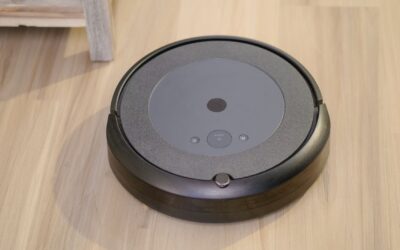
Robotic pool cleaners know where to clean by combining onboard sensors, pre-programmed navigation patterns, and real-time feedback from the pool environment. They don’t have a mental map of your pool like a human would. Instead, they use a mix of bump sensors, gyroscopes, accelerometers, and sometimes sonar or optical sensors to detect walls, slopes, and obstacles. The cleaner’s software then decides whether to turn, reverse, or continue based on a pattern that aims to cover the entire floor and walls over time. This algorithmic approach ensures that no area is missed, even though the robot doesn’t “know” where it is in the traditional sense.
How Sensors Guide the Cleaning Path
The most basic way a robotic pool cleaner knows where to clean is through physical sensors. Bump sensors on the front and sides detect when the robot hits a wall, step, or other solid object. When triggered, the robot stops, reverses, and turns a set number of degrees before moving forward again. This is the same principle used by early robotic vacuum cleaners inside homes.
More advanced models add gyroscopes and accelerometers to track orientation and movement. These sensors help the robot know if it’s climbing a wall, going uphill on a slope, or spinning in place. By combining these readings, the robot can maintain a straight line and make precise turns, which is essential for systematic coverage.
Navigation Patterns: Random vs. Systematic
Not all robotic pool cleaners navigate the same way. Lower-cost models often use a random bounce pattern: they drive forward until they hit something, then turn a random angle and go again. Over time, this can cover the entire pool, but it may take longer and miss spots if the pool has complex shapes.
Higher-end robots use systematic patterns, such as scanning the pool in rows or following a spiral. Some combine both: they run a random pattern for a while, then switch to a row pattern to fill in gaps. The robot’s software decides which pattern to use based on the time elapsed and the number of wall contacts detected. This is how robotic pool cleaners “know” where to clean without needing a map.
Wall and Floor Detection Through Physical Contact
When a robotic pool cleaner climbs a wall, it uses the same bump sensors to know when it reaches the waterline. The robot drives upward until its front bumper hits the tile or the waterline, then it reverses and turns away. This behavior is programmed to prevent the robot from climbing out of the water and to ensure it cleans the entire wall surface.
Similarly, floor transitions are handled by the robot’s ability to sense a change in slope. If the robot drives off a step or into a deep end, its accelerometers detect the sudden tilt, and it adjusts its path accordingly. This prevents the robot from getting stuck or falling into a position it can’t escape.
Sonar and Optical Sensors: Seeing the Pool
Some premium robotic pool cleaners use sonar or optical sensors to “see” the pool’s shape and obstacles. Sonar emits sound waves that bounce off walls and return, giving the robot distance measurements. This allows the robot to approach walls more gently and plan turns in advance, rather than relying solely on bumping.
Optical sensors, like infrared or laser-based systems, can detect water clarity and debris concentration. If the robot’s optical sensor picks up a patch of cloudy water, it may spend extra time in that area, circling or scrubbing more aggressively. This is a form of adaptive cleaning that relies on real-time feedback rather than a fixed pattern.
Software Algorithms That Learn Over Time
Modern robotic pool cleaners often include software that improves with each cleaning cycle. The robot records how long it took to cover certain areas, where it encountered obstacles, and which patterns worked best. On subsequent runs, it adjusts its navigation to be more efficient. This is not true artificial intelligence, but it is a form of machine learning that helps the robot “know” where to clean based on past experience.
Some models even allow you to set a cleaning schedule or specify zones (like only the floor or only the walls). The robot then uses its sensors and memory to execute that command. Over time, the robot builds a rough internal model of the pool’s layout, even though it never sees the whole pool at once.
How to Get the Most Out of Your Robotic Pool Cleaner’s Navigation
If you feel your robotic pool cleaner isn’t covering the pool effectively, there are a few practical steps you can take. First, ensure the pool water chemistry is balanced and clear, because murky water can confuse optical sensors. Second, remove large debris and obstacles before each cleaning cycle to prevent the robot from getting stuck. Third, clean the robot’s filters and sensors regularly according to the manufacturer’s instructions. Finally, if your robot has a learning mode, let it run several cycles without interruption so it can build an accurate pattern.
- Check and clean bump sensors and optical windows after each use.
- Remove toys, leaves, and other large debris from the pool before starting.
- Ensure the robot’s power supply and cable are free of tangles.
- Run the robot on a consistent schedule so it can optimize its pattern.
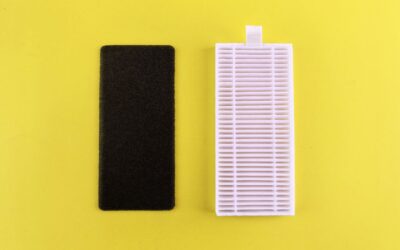
For a deeper dive into maintaining your robotic pool cleaner’s performance, including how often to clean its filter and why it matters, see our guide on how often to clean robotic pool cleaner filter. Clean filters help sensors work accurately and keep the robot moving smoothly.
Frequently Asked Questions
Do robotic pool cleaners need a map of the pool?
No, most robotic pool cleaners do not use a pre-loaded map. Instead, they rely on sensors and navigation algorithms to cover the pool systematically. Some high-end models can learn the pool’s shape over time, but they still don’t have a full map in the way a Roomba might.
How does a robotic pool cleaner know when it’s done cleaning?
Robots typically run for a set amount of time, usually between 1.5 and 3 hours. Some models also use sensors to detect when water clarity improves or when the filter is full, and they may stop early. Most simply run their programmed cycle and then return to the starting point.
Can a robotic pool cleaner get lost?
Robotic pool cleaners don’t get lost in the human sense, but they can get stuck on obstacles, tangled in cables, or trapped in corners. If the robot stops moving or repeats the same small area, it’s usually due to a physical obstruction or a sensor issue, not a navigation failure.
Why does my robotic pool cleaner miss some spots?
Missed spots are often caused by dirty sensors, tangled cables, or a pool shape that confuses the robot’s pattern. Try cleaning the sensors and ensuring the robot has a clear path. If the problem persists, the robot may need a software update or a different cleaning mode.
Do all robotic pool cleaners use the same navigation technology?
No, navigation technology varies widely. Budget models rely on random bounce patterns with basic bump sensors. Mid-range models add gyroscopes for straight-line tracking. Premium models incorporate sonar, optical sensors, and adaptive algorithms. The more sensors and processing power, the more efficient the cleaning.
Related Guides
Final Thoughts
Robotic pool cleaners know where to clean through a combination of sensors, navigation patterns, and software algorithms that adapt to your pool over time. While they don’t have a mental map, their systematic approach ensures thorough coverage. If you’re considering a new cleaner, understanding these navigation methods can help you choose one that fits your pool’s shape and size.