Robotic pool cleaner navigation works through a system of onboard sensors, gyroscopes, and mapping algorithms that guide the unit across your pool’s surfaces. Unlike pressure-side or suction-side cleaners that rely on water flow, a robotic cleaner operates independently with its own motor and processor. The robot uses data from its sensors to detect obstacles, walls, and water depth, then adjusts its path to cover the entire pool without missing spots. This smart navigation is what makes robotic cleaners more thorough and efficient than traditional automatic pool cleaners.
Sensor-Based Navigation: How the Robot Sees Your Pool
The primary way a robotic pool cleaner navigates is through a network of sensors. These include infrared sensors, sonar, or optical sensors that detect walls, steps, and other obstacles. When the robot approaches a wall, the sensor signals the motor to reverse or turn, preventing collisions and allowing the unit to change direction.
Some advanced models use gyroscopes and accelerometers to track their orientation and movement. This helps the robot maintain a straight line and avoid drifting, which is especially important for covering large pools efficiently. The combination of these sensors creates a virtual map of the pool environment in real time.
Algorithm-Driven Coverage Patterns
Robotic pool cleaners use software algorithms to determine the most efficient path for cleaning. The most common pattern is a random or semi-random bounce pattern, where the robot moves in straight lines until it hits an obstacle, then turns at a predetermined angle. While this sounds simple, modern algorithms optimize the turn angles to ensure full coverage over time.
More sophisticated robots employ a systematic cleaning pattern, such as a back-and-forth (lawnmower) pattern or a spiral pattern. These robots use their sensors to create a grid of the pool and methodically clean each section. The algorithm adjusts the pattern based on the pool’s shape and the location of obstacles, ensuring no area is left uncleaned.
Wall Climbing and Waterline Navigation
Many robotic pool cleaners can climb walls and clean the waterline, which is a key advantage over other cleaner types. This is achieved through a combination of powerful suction, specialized tracks or wheels, and buoyancy control. When the robot reaches a wall, sensors detect the change in angle and the unit adjusts its thrust to climb vertically.
Once at the waterline, the robot may use a separate set of brushes or a scrubbing mechanism to remove scum and debris. The navigation system then guides the robot back down the wall and continues its floor cleaning pattern. This wall-climbing ability is a direct result of the robot’s onboard intelligence and sensor feedback.
Mapping and Learning Capabilities
High-end robotic pool cleaners incorporate mapping technology that allows them to learn the layout of your pool over multiple cleaning cycles. These robots store data about the pool’s dimensions, obstacles, and debris-prone areas. On subsequent runs, they can optimize their route to focus on areas that need more attention.
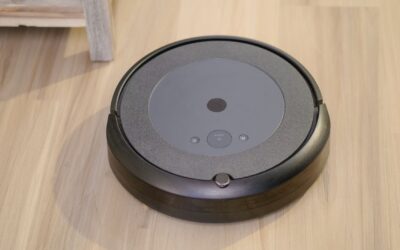
This learning capability is often paired with a smartphone app that shows you a map of the cleaning progress. While the robot doesn’t use GPS (since it’s underwater), it uses dead reckoning and sensor fusion to estimate its position. This level of navigation is similar to what you’d find in a robotic vacuum cleaner for your home.
Factors That Affect Navigation Efficiency
Several factors can influence how well a robotic pool cleaner navigates. The shape of your pool matters: a simple rectangular pool is easier to navigate than a freeform or kidney-shaped pool with many curves. Obstacles like ladders, steps, and pool lights can confuse basic sensors and cause the robot to get stuck or miss areas.
Water clarity also plays a role. If the water is very cloudy or has a lot of debris, the sensors may not detect walls and obstacles as effectively. Similarly, a low battery can cause the robot to rush its cleaning pattern, leading to incomplete coverage. Keeping your pool clean and the robot’s sensors free of debris helps maintain optimal navigation.
What to Do If Your Robot’s Navigation Seems Off
- Check the sensors for dirt or algae buildup and clean them gently with a soft cloth.
- Ensure the robot’s tracks or wheels are not worn or tangled with debris.
- Verify that the pool water is clear enough for the sensors to function properly.
- Run the robot on a full charge to ensure it has enough power for a complete cycle.
- If the robot has a learning mode, allow it several cleaning cycles to map your pool.
If you’re troubleshooting a robotic cleaner that isn’t covering your pool well, you might find it helpful to read about common issues in our guide on why your pool robot might not be picking up debris. While that article focuses on debris pickup, many of the same maintenance tips apply to navigation sensors and brushes.
Frequently Asked Questions
Do robotic pool cleaners need WiFi to navigate?
No, most robotic pool cleaners navigate using onboard sensors and algorithms without needing WiFi. WiFi connectivity is typically used for app control, scheduling, and viewing cleaning reports, not for the core navigation system.
How does a robotic pool cleaner avoid obstacles?
Robotic cleaners use infrared, sonar, or optical sensors to detect obstacles like walls, steps, and ladders. When a sensor detects an object, the robot’s processor triggers a change in direction, allowing it to avoid collisions and continue cleaning.
Can a robotic pool cleaner get stuck?
Yes, robotic pool cleaners can get stuck on obstacles like drain covers, sharp corners, or uneven surfaces. Advanced models with better sensors and algorithms are less likely to get stuck, but no robot is immune. Regular maintenance and removing loose items from the pool can help.
How long does it take a robotic pool cleaner to clean a pool?
Most robotic pool cleaners take between 1.5 to 3 hours to complete a full cleaning cycle, depending on pool size and the robot’s navigation pattern. Systematic cleaners may take longer but offer more thorough coverage than random-bounce models.
Do all robotic pool cleaners climb walls?
Not all robotic pool cleaners climb walls. Entry-level models may only clean the pool floor, while mid-range and high-end models are designed to climb walls and clean the waterline. Check the product specifications to confirm wall-climbing capability.
Related Guides
- How Does Smart Mapping Work on Robotic Pool Cleaners?
- How Does AI Navigation Work in Robotic Pool Cleaners
Closing
Robotic pool cleaner navigation combines sensors, algorithms, and physical design to clean your pool autonomously and efficiently. If you’re curious about how robotic cleaners compare to other types, our guide on using robotic pool cleaners in above ground pools covers compatibility and performance considerations.