Robotic pool cleaners clean the waterline by using a combination of scrubbing brushes, waterline detection sensors, and powerful filtration. The robot navigates to the pool wall, climbs to the water surface, and scrubs the tile or vinyl line with rotating or fixed brushes while its pump pulls in debris and algae. Most models include a dedicated waterline cleaning mode that focuses on this area, ensuring the scum line is removed without manual effort.
Waterline Detection and Navigation
Robotic cleaners use sensors or mechanical bumpers to detect the waterline. Some rely on infrared or sonar sensors to locate the surface, while others use a simple float mechanism that triggers a change in direction when the robot reaches the water level. Once detected, the robot adjusts its cleaning pattern to spend more time along the waterline.
The navigation system is crucial. Without accurate detection, the cleaner might miss the scum line or waste time scrubbing below the surface. Higher-end models map the pool and plan efficient routes to cover the waterline thoroughly.
Brush Design and Scrubbing Action
The brushes are the primary tool for waterline cleaning. Most robotic pool cleaners have dual or triple brushes made of nylon, rubber, or a combination. These brushes rotate or oscillate to scrub away dirt, oil, and algae that cling to the waterline.
Rubber brushes are gentler on tile and vinyl, while nylon bristles provide deeper scrubbing for stubborn deposits. The brush design also affects how well the cleaner grips the wall, which is essential for reaching the waterline. Worn or clogged brushes reduce cleaning performance significantly.
Filtration System for Debris Capture
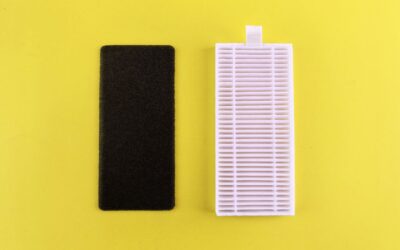
After scrubbing, the robot must capture the loosened debris. Its internal pump pulls water through a filter cartridge or bag, trapping particles as small as a few microns. A fine filter is especially important for waterline cleaning because algae and oil can be very small.
If the filter is dirty or clogged, the robot loses suction and cannot effectively remove the scum line. Regular filter cleaning is essential for maintaining waterline performance. You can learn more about proper filter maintenance in our guide on how to clean robotic pool cleaner filter.
Waterline-Specific Cleaning Modes
Many robotic pool cleaners include a dedicated waterline cleaning mode. When activated, the robot focuses exclusively on the pool walls and waterline, often moving in a zigzag pattern along the surface. This mode may also increase brush speed or pump power to tackle tough residue.
Without this mode, the cleaner still touches the waterline during normal cycles, but less frequently. If your pool has a persistent scum line, using the waterline mode can make a noticeable difference.
Challenges: Algae, Calcium, and Oils
Not all waterline buildup is the same. Algae creates a green or black slime, while calcium deposits form white crusts. Oils from sunscreen and cosmetics leave a greasy film. Robotic cleaners handle algae and oils well with scrubbing and filtration, but calcium deposits often require chemical treatment or manual scrubbing.
If your pool has heavy algae, a robotic cleaner can help remove it, but you may need to adjust water chemistry first. For more details, see our article on can robotic pool cleaners remove algae.
Maintenance Tips for Optimal Waterline Cleaning
To keep your robotic pool cleaner performing well at the waterline, follow a few simple practices. Check the brushes for wear every month and replace them when bristles are frayed or missing. Clean the filter after each use, especially when running waterline mode. Ensure the pool’s water level is high enough so the robot can reach the tile line.
Also, run the cleaner frequently during heavy use seasons to prevent buildup from hardening. A weekly waterline cycle is usually sufficient for most pools.
How to Fix Common Waterline Cleaning Issues
- If the robot misses the waterline, check the water level and ensure the pool is full.
- If brushes leave streaks, inspect them for wear or debris tangled in the bristles.
- If suction is weak, clean the filter and check for clogs in the intake.
- If the robot doesn’t climb walls, verify that the wall-climbing mode is enabled and the brushes are gripping properly.
- If algae persists, treat the pool with algaecide and run the cleaner on waterline mode.
Regular maintenance of your robotic cleaner’s filter is one of the most effective ways to improve waterline cleaning. Our step-by-step guide on how to clean robotic pool cleaner filter walks you through the process.
Related Guides
Frequently Asked Questions
Do all robotic pool cleaners clean the waterline?
Most robotic pool cleaners are designed to clean the waterline, but not all models include a dedicated waterline mode. Entry-level units may only scrub the walls and floor, while mid-range and premium models typically have a specific waterline cleaning program. Check your owner’s manual to see if your model offers this feature.
How does the robot know where the waterline is?
Robotic cleaners detect the waterline using sensors, such as infrared or sonar, or mechanical switches that trigger when the robot reaches the water surface. Some models also use a float that rises with the water level. The robot then adjusts its path to scrub along that boundary.
Can a robotic pool cleaner clean above the waterline?
No, robotic pool cleaners cannot clean above the waterline because they rely on water for buoyancy and propulsion. They can only reach the water surface and scrub the tile or vinyl at the waterline. For cleaning above the waterline, you need a manual brush or a pressure-side cleaner with a special attachment.
Does it remove calcium deposits from the waterline?
Robotic pool cleaners can scrub light calcium deposits, but heavy or crusty calcium buildup usually requires chemical descalers or manual scraping. The brushes may not be aggressive enough for hard mineral deposits. If calcium is a recurring issue, consider adjusting your pool water chemistry.
How often should I run the waterline cleaning cycle?
For most pools, running the waterline cleaning cycle once a week is enough to prevent scum buildup. During peak swimming season or if you have heavy debris, you may need to run it more frequently. Regular cleaning also reduces the need for harsh chemicals.
Robotic pool cleaners clean the waterline by combining smart navigation, scrubbing brushes, and effective filtration. With proper maintenance and the right settings, your robot can keep that scum line under control without extra work from you. For more tips on keeping your cleaner in top shape, check our guide on how often to clean robotic pool cleaner filter.