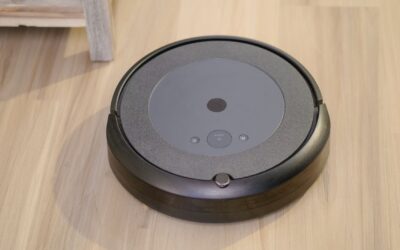
Robotic pool cleaners clean corners by combining intelligent navigation with physical features like side brushes and wall-climbing tracks or wheels. They do not rely on random bumps; instead, they scan the pool shape, then methodically scrub edges and corners where debris collects. The result is a thorough clean that leaves no spot untouched.
Smart Navigation and Mapping
Most modern robotic pool cleaners use gyroscopes, accelerometers, or even sonar to map your pool’s shape. This mapping allows the robot to identify walls, steps, and corners as distinct areas. Instead of drifting aimlessly, it follows a calculated pattern that ensures it passes close to every corner.
Once the robot knows where the corners are, it can adjust its speed and angle to approach them directly. Some models even remember which corners they have already cleaned, so they do not waste time revisiting the same spot.
Side Brushes That Sweep Debris Into the Path
Side brushes are small rotating arms or bristles mounted on the front or sides of the robot. As the robot moves along a wall, these brushes extend into the corner and flick debris, leaves, dirt, sand, toward the main suction or scrubber brushes. Without side brushes, the robot would simply roll past corners, leaving a trail of debris behind.
The length and flexibility of the side brushes matter. Stiffer bristles can dislodge stuck-on grime, while softer ones are gentler on vinyl liners. Many robots have adjustable or replaceable side brushes to suit your pool surface.
Wall-Climbing Capability
To clean corners, a robot must be able to climb walls, because many corners are where walls meet the floor or meet each other. Robotic cleaners use powerful motors and specially designed tracks or wheels to grip the wall surface. Once the robot is on the wall, it can scrub the vertical part of the corner and then transition to the floor at the joint.
Some robots also have a tumbling or flipping action that allows them to change direction at the wall-floor intersection. This maneuver ensures the side brushes reach into the deepest part of the corner. If your robot struggles with corners, the wall-climbing system might need a check, debris on the tracks or a worn belt can reduce grip.
Debris Collection and Filtration
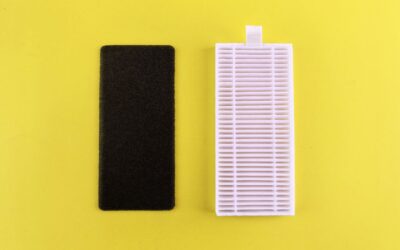
Once the side brushes sweep debris into the robot’s path, a strong suction or a set of rotating scrubber brushes pulls it into the filter. The filter must be fine enough to trap small particles like sand, yet large enough to allow water flow. A clogged filter reduces suction, so the robot cannot pull debris from corners effectively.
Many robots have a fine mesh or cartridge filter that captures everything from leaves to algae. Regular cleaning of this filter, as recommended by the manufacturer, keeps the robot’s corner-cleaning performance consistent.
How to Ensure Your Robot Cleans Corners Well
- Keep the side brushes clean and free of tangled hair or string.
- Check the wall-climbing tracks or wheels for wear and debris.
- Clean the filter after every use, or at least as often as the manual suggests.
- Ensure the pool’s water level is high enough for the robot to reach the top corners.
- Run the robot on a full cleaning cycle so it can cover all corners systematically.
If you notice that your robot still misses corners after these checks, the issue may be the brush design itself. A dedicated wall-climbing brush can make a big difference in how well the robot grips and scrubs vertical surfaces. For a closer look at what makes a brush effective, see our guide on the best pool cleaner wall climbing brush.
Frequently Asked Questions
Do all robotic pool cleaners clean corners?
Most robotic pool cleaners are designed to clean corners, but the effectiveness varies. Models with side brushes and strong wall-climbing ability handle corners best. Basic models without side brushes may leave debris behind in tight corners.
Why does my robotic pool cleaner miss corners?
Common reasons include worn side brushes, a dirty filter reducing suction, or a low battery causing the robot to stop before reaching all corners. Also, if the pool has unusual shapes or steps, the robot’s mapping may not cover every angle.
Can I improve corner cleaning without buying a new robot?
Yes. Replace or adjust side brushes, clean the filter thoroughly, and ensure the robot’s software is up to date. Some robots let you adjust cleaning patterns or set a longer cycle to target corners more.
How do robotic pool cleaners handle 90-degree corners?
Robots handle 90-degree corners by using their side brushes to sweep debris into the main path while the robot itself turns or climbs. The combination of wall climbing and brush reach allows them to clean both the floor and wall sides of the corner.
Related Guides
Final Thoughts
Robotic pool cleaners clean corners through a smart mix of navigation, side brushes, and wall-climbing ability. If you want to understand how different brush types affect performance, check our review of the best pool cleaner wall climbing brush for 2026.