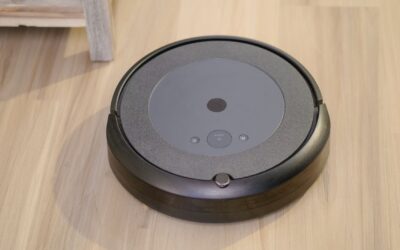
The first thing to understand is that robotic pool cleaners clean pool floors by using a combination of scrubbing brushes, powerful suction, and fine filtration, all while navigating the pool automatically. They drive across the floor, loosening dirt and debris with brushes, then vacuum it into a built-in filter bag or cartridge. The entire process is self-contained, meaning the robot does not rely on your pool’s main pump or filter system. This independence allows it to work efficiently without adding load to your existing equipment.
How Do Robotic Pool Cleaners Navigate the Pool Floor
Robotic pool cleaners use a combination of sensors and programmed algorithms to map and cover the floor. Most models feature obstacle detection sensors that help them avoid walls, steps, and ladders. Some also include gyroscopic or accelerometer-based navigation to track turns and straight-line movement.
Higher-end robots may use a random or systematic pattern, such as a grid or a spiral, to ensure complete coverage. The goal is to avoid missing spots on the floor. This navigation system is what allows the robot to clean an entire pool floor without human intervention.
The Role of Brushes in Cleaning Pool Floors
Brushes are a critical component of how robotic pool cleaners clean pool floors. Typically, a robot has two or more brushes mounted on the bottom, often made of durable rubber, nylon, or a mix. As the robot moves, these brushes rotate, sweeping and scrubbing the pool floor.
The brushes loosen dirt, algae, and small debris from the surface. Rubber brushes are gentler on vinyl and fiberglass floors, while nylon brushes are more aggressive for concrete or tile. The scrubbing action is essential for removing fine particles that stick to the floor.
How Suction and Vacuum Work Together
After the brushes loosen debris, the robot’s internal pump creates suction that pulls water and debris into the unit. The robot has a powerful motor that generates enough suction to lift sand, leaves, and small pebbles from the floor. The suction is channeled through the brushes and into the filter chamber.
Unlike manual vacuuming, which relies on the pool’s pump, a robotic cleaner’s suction is self-contained. This means it can clean even when the main pump is off, saving energy and reducing wear on your pool’s filtration system.
Filtration: The Final Step in Floor Cleaning
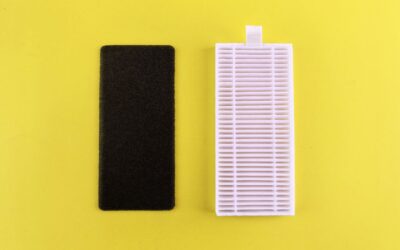
Once debris is sucked in, it passes through a filter that traps particles. Robotic pool cleaners typically use fine mesh filter bags or cartridges that capture particles as small as 2 to 5 microns. This level of filtration is much finer than most pool sand or DE filters, which means the robot returns clean water to the pool.
The filter is easy to remove and clean. Regular maintenance of the filter is crucial for the robot’s performance. If the filter is clogged, suction drops and the robot may not clean the floor effectively. For tips on how often to clean the filter, see our guide on how often to clean robotic pool cleaner filter.
How the Robot Moves Across the Floor
Robotic pool cleaners are powered by electric motors that drive tracks or wheels. These traction systems provide grip on smooth pool floors, allowing the robot to climb slopes and even up walls on some models. The movement is slow and deliberate to ensure thorough cleaning.
The robot’s drive system is designed to be energy-efficient. Most models operate on low voltage (24V or less) and have a power supply that plugs into a standard outlet. The cable is typically long enough to reach most pools, with a floating design to avoid tangling.
How to Get the Best Floor Cleaning Results
- Clean the filter after each use or as recommended by the manufacturer.
- Remove large debris from the pool before starting the robot to avoid clogs.
- Check the brushes for wear and replace them when they become stiff or damaged.
- Ensure the robot’s cable is free of tangles and the power supply is dry.
- Run the robot on a schedule to prevent dirt from building up on the floor.
For more details on maintaining your robotic cleaner, read our step-by-step guide on how to clean robotic pool cleaner filter. Proper maintenance will extend the life of your robot and keep your pool floor sparkling.
Frequently Asked Questions
Do robotic pool cleaners need the pool pump to run?
No, robotic pool cleaners are self-contained units with their own pump and filter. They operate independently of the main pool pump and circulation system, which saves energy and allows cleaning even when the pump is off.
Can robotic pool cleaners clean stairs and walls?
Many models are designed to climb walls and clean steps, but not all. Some only clean the floor. Check the product specifications to see if the robot can handle walls and stairs. The same navigation and scrubbing principles apply to those surfaces.
How long does a robotic pool cleaner take to clean a pool floor?
Most robotic pool cleaners complete a full cycle in 2 to 3 hours, depending on the size of the pool and the model. The cycle time is programmed to ensure thorough coverage of the floor. Some robots have a quick-clean mode for smaller jobs.
What type of debris can a robotic pool cleaner remove from the floor?
Robotic pool cleaners can handle a wide range of debris, including sand, dirt, leaves, twigs, and small pebbles. They can also remove fine particles like algae and silt, thanks to their fine mesh filters. Large or heavy objects may need to be removed manually first.
Related Guides
Closing Thoughts
Robotic pool cleaners clean pool floors by combining scrubbing brushes, powerful suction, and fine filtration, all guided by smart navigation. For a deeper look at whether these cleaners can handle algae, check out our article on Can Robotic Pool Cleaners Remove Algae?.