
How Smart Mapping Works on Robotic Pool Cleaners
Smart mapping uses sensors and algorithms to create a digital pool map, enabling efficient cleaning patterns and obstacle avoidance. Learn how this technology works.
We independently review everything we recommend. When you buy through our links, we may earn a commission. As an Amazon Associate we earn from qualifying purchases. Learn more ›
Smart mapping uses sensors and algorithms to create a digital pool map, enabling efficient cleaning patterns and obstacle avoidance. Learn how this technology works.

Robotic pool cleaners use brushes, sensors, and filtration to scrub the waterline. Here is how the process works and what affects its effectiveness.
Learn the step-by-step process of how robotic pool cleaners scrub, vacuum, and filter pool floors to keep your pool spotless.
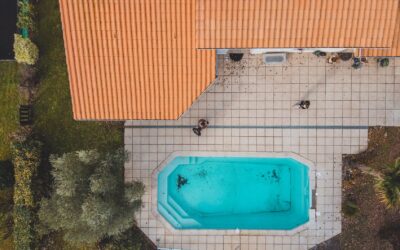
Robotic pool cleaners use a mix of sensors, algorithms, and physical patterns to map your pool. Here's how they decide where to go next.
Learn how robotic pool cleaners climb and clean walls through suction, brushes, and smart navigation.
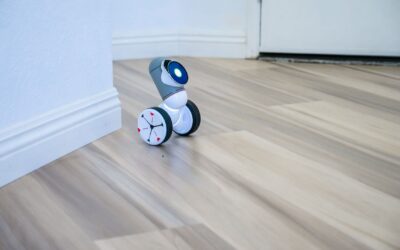
Learn how robotic pool cleaners navigate using sensors, algorithms, and design. Understand the key features that make them efficient pool cleaners.
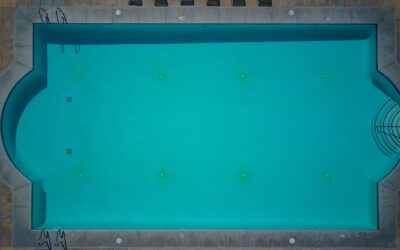
Yes, most robotic pool cleaners work in above ground pools, but compatibility depends on a few key factors. Here is what you need to know before buying one.
Robotic pool cleaner filters clog faster than you expect. Here's the real answer to how often to clean them and the factors that change the schedule.
Learn what micron filter size your robotic pool cleaner needs, how debris size affects the choice, and how to pick the right one for your pool.
A clogged filter reduces your robotic pool cleaner's suction and cleaning power. Here's how to identify when it needs cleaning and restore it properly.