The best micron filter for a robotic pool cleaner usually falls between 50 and 100 microns for fine debris, but the exact size depends on the type of particles you want to remove. A lower micron rating traps smaller particles, while a higher rating lets larger debris pass through faster. Understanding this tradeoff helps you choose the right filter for your pool without overspending on a filter that doesn’t match your needs.



What Is a Micron Filter Rating and Why Does It Matter?
A micron is a unit of measurement equal to one millionth of a meter. In pool cleaner filters, the micron rating tells you the size of the smallest particle the filter can capture. A 50 micron filter, for example, stops particles larger than 50 microns, while a 100 micron filter lets smaller particles pass through.
For a robotic pool cleaner, the filter rating directly affects how clean the water becomes and how often you need to empty the filter. A finer filter (lower micron) catches more dirt but clogs faster, requiring more frequent cleaning. A coarser filter (higher micron) stays cleaner longer but may leave fine particles behind.
Common Debris Types and Their Micron Sizes
The debris in your pool determines the micron filter you need. Large leaves, twigs, and bugs are typically 1000 microns or larger, so any filter can handle them. Sand and silt range from 50 to 100 microns, while algae and fine dust particles can be as small as 10 to 30 microns.
If your pool mainly collects large debris, a coarser filter (100 microns or higher) works well and reduces clogging. For pools with fine silt or algae, a finer filter (50 microns or lower) is necessary to keep the water clear. Knowing what falls into your pool helps you pick the right micron rating.
Fine vs. Coarse Filters: Pros and Cons
Fine filters, typically rated between 10 and 50 microns, capture tiny particles that can make water cloudy. They are ideal for pools with algae spores, fine dust, or pollen. The downside is that they clog quickly, meaning you need to clean them after every use or even more often.
Coarse filters, rated between 100 and 300 microns, are better for pools with large debris like leaves and grass. They let water flow faster, so the cleaner moves more efficiently, and they require less frequent cleaning. However, they won’t catch fine particles, so the water may not look as clear.
How Pool Size and Usage Affect Filter Choice
Larger pools or those with heavy debris loads benefit from a coarser filter because it can handle more material before needing cleaning. If you run your robotic cleaner daily, a fine filter might clog too fast and become a hassle. For smaller pools or light debris, a fine filter can keep water pristine with manageable maintenance.
Also consider the cleaner’s own filter capacity. Some robotic cleaners come with multiple filter options, letting you swap between fine and coarse depending on the season or debris type. Using the right filter for the current conditions improves cleaning efficiency and reduces wear on the cleaner.
Filter Material and Maintenance
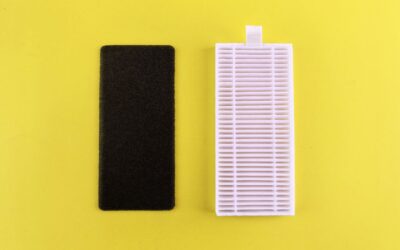
Robotic pool cleaner filters are typically made from polyester mesh or pleated fabric. Mesh filters are easier to clean and last longer, while pleated filters capture more fine particles but may need replacement sooner. The micron rating is usually printed on the filter, but you can also measure it by checking the manufacturer’s specifications.
Regular maintenance extends filter life. Rinse the filter after each use with a garden hose, and soak it in a filter cleaner solution monthly to remove oils and embedded debris. A clogged filter reduces water flow and makes the cleaner work harder, which can damage the motor over time.
How to Choose the Right Micron Filter for Your Robotic Pool Cleaner
- Identify the most common debris in your pool: large leaves, fine silt, or algae.
- Match the filter micron rating to the smallest debris you want to remove: 50 microns for fine, 100 microns for medium, 200 microns for coarse.
- Consider how often you can clean the filter: finer filters need more frequent maintenance.
- Check your robotic cleaner’s manual for compatible filter sizes and ratings.
- If you have seasonal debris changes, keep both a fine and a coarse filter on hand to swap as needed.
For more detailed guidance on filter options and how they perform in different pool conditions, explore our blog posts on robotic pool cleaner maintenance. You’ll find practical tips to keep your pool sparkling clean all season.
Frequently Asked Questions
What does the micron rating on a robotic pool cleaner filter mean?
The micron rating indicates the size of particles the filter can trap. A 50 micron filter catches particles larger than 50 microns, while a 100 micron filter only catches those larger than 100 microns. Lower numbers mean finer filtration.
Can I use a finer filter than recommended in my robotic cleaner?
Yes, but a finer filter restricts water flow more, which can reduce the cleaner’s suction power and cause it to move slower. It may also clog much faster, requiring more frequent cleaning. Always check the manufacturer’s tolerances first.
How often should I replace the filter in my robotic pool cleaner?
Replace the filter when it shows signs of wear like tears, frayed edges, or permanent stains. With proper rinsing and monthly deep cleaning, a good filter can last one to two seasons. Fine filters tend to wear out faster than coarse ones.
Is a 50 micron filter good for a robotic pool cleaner?
A 50 micron filter is excellent for capturing fine particles like silt, pollen, and algae spores. It will make your pool water very clear, but it requires regular cleaning after each use. It’s a good choice if you don’t mind the maintenance.
What happens if I use a filter with too high a micron rating?
A high micron rating (e.g., 300 microns) will let fine particles pass through, leaving the water cloudy. The cleaner will still pick up large debris, but you may need to run it more often or use a separate fine filter for clarity.
Related Guides
Final Thoughts
The right micron filter for your robotic pool cleaner depends on the debris you face most often and how much maintenance you’re willing to do. A 50 micron filter offers fine filtration for clear water, while a 100 micron filter balances cleaning and effort. For a deeper dive into filter options and cleaning routines, check out our blog archive for more helpful articles.