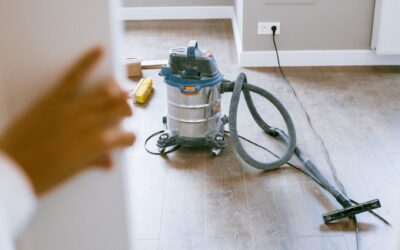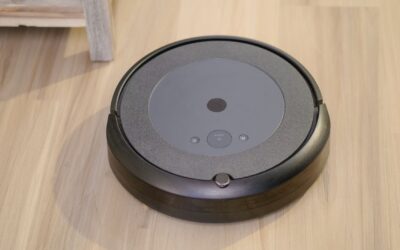
A robotic pool cleaner filters water by using a built-in pump to draw water through a fine mesh filter cartridge or bag, trapping debris, dirt, and algae while returning clean water to the pool. The robot moves across the floor, walls, and waterline, continuously cycling water through the filtration system. This process relies on the pump’s suction power, the filter’s micron rating, and the robot’s navigation to cover the entire pool surface effectively.
The Filtration System: Pump, Filter, and Flow
Every robotic pool cleaner has three main components for filtration: a water pump, a filter housing, and an intake/outlet system. The pump creates suction that pulls water into the robot through intake vents at the bottom or sides. The water then passes through the filter media before being expelled back into the pool through an outlet.
The pump is typically powered by a DC motor that runs on a low-voltage power supply from the control unit outside the pool. The flow rate determines how quickly the robot can filter the entire pool volume. Most robots cycle the pool water several times during a cleaning cycle.
Types of Filters: Cartridge vs. Bag
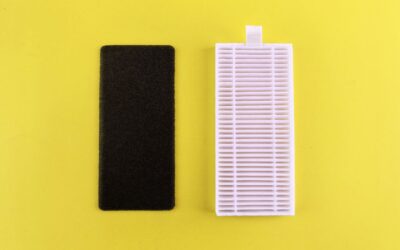
Robotic pool cleaners use either a filter cartridge or a filter bag. Cartridges are rigid plastic frames wrapped with pleated polyester mesh, while bags are made of woven fabric. Both trap particles as water flows through them, but they differ in capacity and ease of cleaning.
Cartridges are more common and come in various micron ratings, typically from 50 to 100 microns. A lower micron rating captures finer particles, including algae and silt. Bags are often used in larger commercial robots and can hold more debris before needing emptying. For more on micron ratings, see our guide on what micron filter for robotic pool cleaner.
How the Robot Navigates to Ensure Complete Filtration
For a robotic pool cleaner to effectively filter all the water, it must cover every area of the pool. Most robots use random or programmed navigation patterns, often with sensors to detect walls and obstacles. Some models use gyroscopes or accelerometers to track movement and ensure systematic coverage.
The robot’s scrubbing brushes also help dislodge debris from surfaces, making it easier for the filter to capture them. Without proper navigation, some areas might be missed, leaving dirt and algae behind. Regular cleaning cycles ensure the entire pool gets filtered over time.
The Role of the Pump and Motor in Filtration
The pump is the heart of the filtration system. It creates the pressure difference that moves water through the robot. The motor drives both the pump and the wheels or tracks, so its power affects both movement and filtration speed.
Higher pump flow rates mean faster water turnover, but they also require more energy and can stir up fine debris. Most residential robots have pumps that move 15 to 30 gallons per minute. The motor’s efficiency determines how long the robot can run on a single charge or cycle.
How the Filter Captures Different Debris Sizes
The filter’s mesh size determines what particles it can trap. Coarse filters (100+ microns) catch leaves, twigs, and large dirt clumps. Fine filters (50 microns or less) capture sand, silt, and even algae spores. Some robots use a two-stage filtration system with a coarse pre-filter and a fine main filter.
When the filter becomes clogged, water flow drops, and the robot may not clean effectively. That is why regular cleaning of the filter is essential. You can learn more about this in our guide on how to clean robotic pool cleaner filter.
Maintenance and Cleaning of the Filter
To keep your robotic pool cleaner filtering water properly, you need to clean the filter after each use or at least weekly. Remove the cartridge or bag, rinse it with a garden hose, and scrub off any stuck debris. For heavily soiled filters, use a filter cleaner solution.
Over time, filters can wear out or develop tears. Replace them when you notice reduced performance or visible damage. Regular maintenance also includes checking the pump impeller for debris and ensuring the intake vents are clear.
How to Fix Common Filtration Issues
- Clean the filter cartridge or bag after every cleaning cycle to maintain water flow.
- Check the pump impeller for obstructions like hair or small leaves.
- Ensure the robot’s intake vents are not blocked by large debris.
- Replace the filter if it is torn or has lost its shape.
- Run the robot for a full cycle to allow it to cover the entire pool.
If your robot is not filtering effectively, the most common cause is a dirty or damaged filter. Regular cleaning prevents most issues. For a detailed schedule, see our article on how often to clean robotic pool cleaner filter.
Frequently Asked Questions
Do robotic pool cleaners filter algae?
Yes, robotic pool cleaners can filter algae if the filter has a fine enough micron rating. Algae spores are very small, so a filter of 50 microns or less is needed. Some robots also have specialized filters for algae removal.
How often should I clean the filter on my robotic pool cleaner?
You should clean the filter after every cleaning cycle, especially if your pool has a lot of debris. At a minimum, clean it weekly. A clogged filter reduces water flow and cleaning efficiency.
Can I use a robotic pool cleaner if my pool has a sand filter?
Yes, robotic pool cleaners work independently of your pool’s main filtration system. They have their own pump and filter, so they complement sand filters by capturing fine particles that the sand filter might miss.
Why is my robotic pool cleaner not picking up debris?
This is usually due to a dirty filter, a clogged pump impeller, or worn brushes. Check the filter first, then inspect the impeller and brushes. For more troubleshooting, see our guide on why is my pool robot not picking up debris.
Related Guides
Closing
A robotic pool cleaner filters water by using a pump to draw water through a fine mesh filter, trapping debris and returning clean water to the pool. To keep it working effectively, regular filter cleaning is essential. For a step-by-step maintenance routine, check out our guide on how to clean robotic pool cleaner filter.