Robotic pool cleaners clean steps by combining climbing mechanisms, rotating brushes, and water jets to scrub and remove debris from step surfaces. Most models use tracks or specialized wheels with rubber treads that grip the step edge and pull the robot upward. Once on the step, side and bottom brushes sweep dirt into the intake, while high-pressure jets help dislodge particles stuck in crevices. This automated process reaches areas that manual brushing often misses, keeping steps clean with minimal effort.
How Robotic Cleaners Climb Steps
Robotic cleaners rely on either continuous tracks or multiple wheels to climb steps. Tracks provide better traction on sloped or textured surfaces, while wheeled models may use larger rear wheels for extra push. Many robots include dual motors that allow independent left and right movement, helping them pivot onto step edges without falling off.
The climbing ability depends on the robot’s weight distribution and the angle of the step. Most models can handle standard residential pool steps, but very steep or narrow steps may require a robot with a dedicated step-climbing mode.
Scrubbing Brushes and Their Role
Brushes are the primary cleaning tool on steps. Side brushes extend beyond the robot’s body to reach the edges and corners of each step, while bottom brushes sweep debris toward the filter intake. Some robots use pivoting brush arms that adjust to the step contour, ensuring contact even on uneven surfaces.
Brush material varies from soft nylon to more aggressive polyurethane. Softer brushes are gentler on delicate step finishes, while stiffer brushes handle embedded dirt better. You can often adjust brush speed or replace brushes to match your step material.
Water Jets and Debris Removal
High-pressure water jets direct flow from the robot’s pump toward the step surface. This jet action loosens dirt and algae that brushes alone may not remove, especially in corners or along the step’s vertical face. The dislodged debris is then carried into the filter by the same water current.
Some robots feature adjustable jet nozzles that you can aim at problem areas. Keeping the jets clear of clogs ensures consistent cleaning power on every step.
Sensor Technology for Step Navigation
Robotic cleaners use sensors to detect step height and avoid falling off the edge. Common sensors include sonar, infrared, and gyroscopic stabilizers. When the robot approaches a step, it slows down and adjusts its angle to climb rather than plunge.
More advanced models map the pool’s shape and remember step locations, allowing them to clean steps systematically rather than randomly. This reduces missed spots and battery waste.
Limitations of Step Cleaning
Not every robotic cleaner can handle steps equally. Some models are designed only for flat floors and walls, while others have a dedicated step function. Very narrow steps or steps with sharp angles may be difficult for larger robots to navigate.
Additionally, robots may struggle with steps that have a high vertical rise or those made of slippery materials like smooth tile. In such cases, you may need to supplement with manual brushing or choose a robot specifically rated for step climbing.
How to Improve Step Cleaning Performance
If your robot is not cleaning steps thoroughly, try these adjustments:
- Ensure the robot’s filter is clean and free of debris, as a clogged filter reduces suction and jet pressure.
- Check brush condition and replace worn brushes to maintain scrubbing effectiveness.
- Activate any step-cleaning mode available in your robot’s control panel or app.
- Adjust water jets to point directly at step surfaces if your model allows it.
- Run a longer cleaning cycle to give the robot more time to cover all steps.
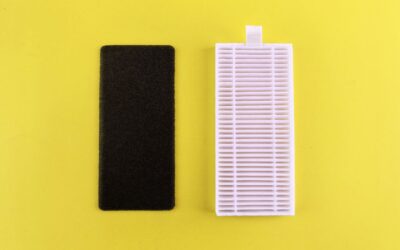
For more on maintaining your robot’s filter to ensure peak performance, see our guide on how often to clean robotic pool cleaner filter.
Related Guides
Frequently Asked Questions
Can all robotic pool cleaners clean steps?
No, not all models are designed for step climbing. Some are limited to flat floors and walls. Always check the product specifications for step capability before purchase.
Do robotic cleaners damage pool steps?
Generally, they are safe. Soft brushes and rubber treads are gentle on most surfaces. However, aggressive brushes on delicate finishes like fiberglass may cause wear over time. Use appropriate settings for your step material.
How do robots avoid getting stuck on steps?
Sensors detect changes in slope and adjust movement accordingly. Many robots have anti-stall algorithms that reverse or change direction if they sense resistance, preventing them from getting wedged.
What should I do if my robot skips steps?
First, check for obstructions like large debris blocking the path. Ensure the robot is fully charged and that step cleaning mode is activated if available. If the problem persists, inspect the brushes and tracks for wear.
Robotic pool cleaners clean steps through a combination of climbing, scrubbing, and jet technology, making step maintenance largely automated. To keep your robot performing at its best, regular filter cleaning is essential.