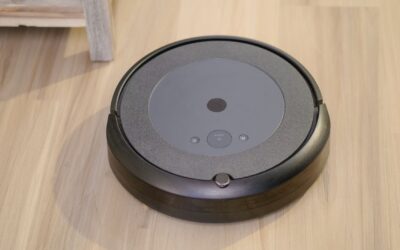
Robotic pool cleaners climb walls by combining suction, specialized tracks or wheels, and internal sensors that maintain traction and orientation against gravity. These devices create a low-pressure zone that pulls them against the wall surface while their treads or brushes grip the material. The onboard computer constantly adjusts speed and direction to keep the cleaner moving upward without slipping back. Understanding how do robotic pool cleaners climb walls helps you troubleshoot performance issues and choose the right maintenance routine.
Suction and Water Flow
The vacuum pump inside a robotic pool cleaner generates strong suction that pulls water through the intake. This suction creates a low-pressure area between the cleaner and the wall, effectively pressing the device against the surface. Without adequate suction, the cleaner cannot generate enough downward force to counteract gravity.
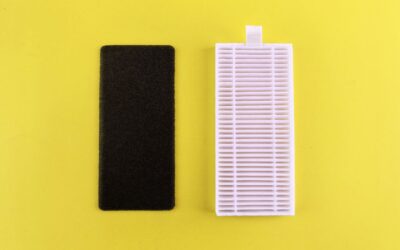
The water flow also helps by directing debris into the filter while maintaining a consistent seal. If the filter becomes clogged, suction drops and the cleaner may lose its grip on the wall. Regular cleaning of the filter is essential for consistent wall climbing performance.
Track and Wheel Design
Most robotic pool cleaners use either rubber tracks or large wheels with deep treads to climb walls. The tracks provide a large contact area that distributes the cleaner’s weight and maximizes friction. Wheels with aggressive tread patterns dig into the wall material, especially on rough surfaces like plaster or concrete.
The material and condition of the tracks or wheels matter significantly. Worn rubber loses its grip, causing the cleaner to slide back down. Some models feature adjustable wheel angles that improve traction on different wall slopes.
Brush and Scrubber Assistance
Side brushes and scrubbers do more than clean; they also help the cleaner maintain contact with the wall. As the brushes spin, they create a slight downward force that presses the cleaner against the surface. This is especially helpful on smooth tiles where suction alone may not be enough.
Some cleaners have adjustable brush speeds or replaceable brush cartridges. If your cleaner’s brushes are worn or missing, wall climbing can become inconsistent. Replacing them restores the necessary friction and cleaning power.
Sensors and Navigation
Internal gyroscopes and accelerometers detect the cleaner’s orientation and movement. When the cleaner reaches a wall, these sensors signal the motor to increase power to the climbing side. The onboard computer continuously adjusts speed to prevent the cleaner from flipping over or stalling.
Some advanced models use ultrasonic or infrared sensors to map the pool’s shape and plan efficient climbing paths. If a sensor is blocked or malfunctioning, the cleaner may fail to recognize the wall and stop climbing altogether.
Surface and Slope Factors
The material and angle of your pool walls affect how well a robotic cleaner climbs. Smooth surfaces like vinyl or fiberglass offer less friction than textured plaster. Steep slopes, especially near the waterline, require more suction and traction.
Most cleaners are designed to handle slopes up to 90 degrees, but performance varies by model. If your pool has unusual angles or slippery tiles, you may need to adjust the cleaner’s settings or upgrade its traction components.
How to Improve Your Cleaner’s Wall Climbing
- Clean or replace the filter regularly to maintain suction.
- Inspect tracks or wheels for wear and replace them if they are smooth.
- Check brushes for damage and replace them if they are worn.
- Ensure sensors are clean and free of debris.
- Verify that the water flow rate matches the cleaner’s requirements.
If you’ve tried these steps and your cleaner still struggles, upgrading its brushes or traction components can make a noticeable difference. Our guide to the best wall climbing brushes can help you choose the right accessory for your pool’s surface and slope.
Frequently Asked Questions
Why does my robotic pool cleaner struggle to climb walls?
Common causes include a clogged filter, worn tracks or wheels, low battery, or a malfunctioning sensor. Check each component in order of likelihood, starting with the easiest fix.
Can a robotic pool cleaner climb vertical walls?
Yes, most robotic pool cleaners can climb vertical walls up to 90 degrees, provided they have sufficient suction and traction. Smooth surfaces may reduce performance, but many models handle them well.
Do all robotic pool cleaners have wall-climbing capability?
No, some basic models are designed only for floor cleaning. Wall-climbing requires specific suction, track, and sensor designs. Check the product specifications before purchasing if wall cleaning is important to you.
How do I know if my pool cleaner is climbing properly?
Watch the cleaner as it reaches the wall. It should smoothly transition from the floor to the wall and move upward without sliding back. If you see it struggling or stalling, inspect the components listed above.
Related Guides
Closing Thoughts
Understanding how do robotic pool cleaners climb walls helps you maintain your cleaner for consistent performance. For more tips on improving traction, check out our guide to the best pool robot traction brush.