To improve robotic pool cleaner suction, start by cleaning the filter and checking for debris blockages in the intake and impeller. These are the most common causes of suction loss, and addressing them often restores full performance. Beyond that, worn brushes, a low battery, or a dirty track can also reduce cleaning efficiency, so knowing what to look for helps you fix the problem quickly.
Clogged or Dirty Filter
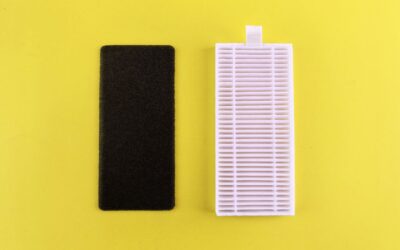
The filter is the first thing to check when suction drops. A fine mesh or cartridge filter that’s packed with debris restricts water flow, which directly reduces how much debris the cleaner can pick up. Even if the filter looks clean, rinsing it with a hose can reveal trapped particles that affect performance.
How often you need to clean it depends on pool usage. During heavy leaf season or after a pool party, you may need to rinse the filter after every run. A clogged filter is the single most common cause of poor suction, and cleaning it takes less than a minute.
Blocked Intake or Impeller
Debris can get stuck in the intake grate or wrap around the impeller blades inside the pump housing. When this happens, the motor spins but can’t move water efficiently, creating a noticeable drop in suction. You might hear the motor running but see little movement of debris.
Check the intake opening on the bottom of the cleaner for leaves, twigs, or hair. Also inspect the impeller area by removing the pump cover (if accessible). Clearing these blockages often restores suction immediately.
Worn or Damaged Brushes
The brushes on the bottom of the cleaner help sweep debris into the suction path. If they are worn down, bent, or missing bristles, debris can slip past without being collected. This makes the cleaner appear to have weak suction, even though the pump is working fine.
Inspect the brushes regularly. Replace them if they are significantly worn or if the bristles no longer contact the pool surface firmly. Quality replacement brushes can make a noticeable difference in cleaning performance.
Low Battery or Power Issues
Battery-powered robotic cleaners rely on a full charge for maximum pump speed. As the battery level drops, the pump may run slower, reducing suction. If your cleaner runs for less time than expected or seems to lose power mid-cycle, the battery may be aging or not fully charged.
Make sure you charge the unit according to the manufacturer’s instructions. If the battery no longer holds a full charge, it may need replacement. Corded robotic cleaners can also experience power loss due to a faulty transformer or damaged cable, so check those connections as well.
Dirty or Slipping Tracks
The tracks or wheels that drive the cleaner across the pool floor can become coated with algae, grease, or debris. Slipping tracks reduce the cleaner’s ability to move effectively, and it may spend more time in one spot without covering the whole pool. This can make it seem like suction is weak when the real issue is traction.
Clean the tracks with a soft brush and mild cleaner. If the tracks are worn smooth, they may need replacement to restore proper mobility and cleaning coverage.
How to Fix Poor Suction in a Robotic Pool Cleaner
- Clean or replace the filter after each use if it’s heavily soiled.
- Remove any debris from the intake grate and check the impeller for blockages.
- Inspect the brushes and replace them if they are worn or damaged.
- Ensure the battery is fully charged and consider replacing it if it’s old.
- Clean the tracks and wheels to maintain proper traction and movement.
If you suspect worn brushes are the main cause, upgrading to a higher quality brush can improve debris pickup and overall suction. For more on choosing the right brush, see our guide to the best pool cleaner wall climbing brush.
Frequently Asked Questions
Why is my robotic pool cleaner not picking up debris?
Most often it’s a clogged filter or blocked intake. Check those first, then inspect the brushes and battery. A full cleaning cycle with a clean filter usually resolves the issue.
How often should I clean the filter on my robotic pool cleaner?
After every use during heavy debris season, or at least every few runs. A clean filter ensures maximum suction and prevents the motor from straining.
Can a low battery affect suction?
Yes. Battery-powered robots run the pump at full speed only when the battery is fully charged. As the charge depletes, pump speed and suction decrease. Always start with a full charge.
Do I need to replace the brushes on my robotic pool cleaner?
If the bristles are worn down or missing, yes. Worn brushes let debris escape the suction path, making the cleaner seem less effective even when the pump is fine.
Is there a way to increase suction without replacing parts?
Not really. Suction is determined by the pump and the condition of the filter and intake. Keeping the filter clean and clearing blockages is the only no-cost fix. Upgrading brushes or replacing a weak battery are the next steps.
Related Guides
- Best Robot Pool Cleaner Brand
- How Do Robotic Pool Cleaners Map a Pool
- How Do Robotic Pool Cleaners Clean Steps?
Closing
Improving robotic pool cleaner suction usually comes down to cleaning the filter, clearing blockages, and checking the brushes and battery. If you’ve tried these steps and still need better performance, replacing worn brushes with a high-quality option can make a real difference. For more details, read our review of the best pool robot traction brush.