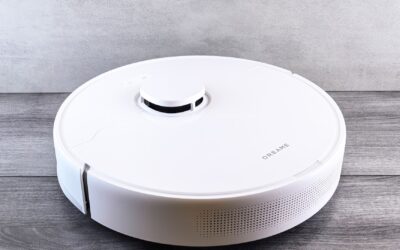
Yes, robotic pool cleaners can pick up pollen, but their effectiveness depends heavily on the filter’s micron rating and the pollen’s location. Most standard cleaners are designed for larger debris like leaves and sand, not for fine, powdery pollen that can pass through coarse filters. If your cleaner’s filter is not fine enough, pollen may circulate back into the water rather than being trapped. Understanding how your cleaner handles fine particles is key to keeping your pool pollen-free.




Filter Micron Rating Determines Pollen Capture
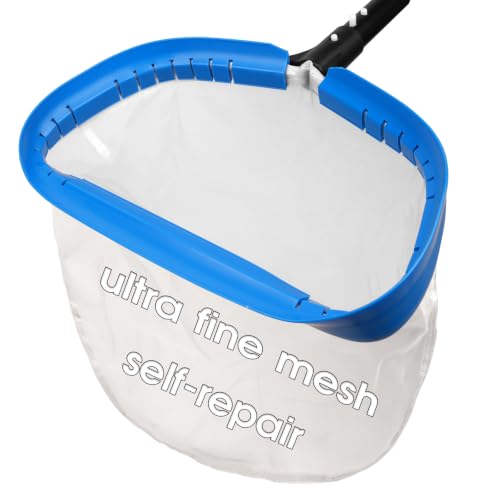
The most important factor is the micron size your robotic cleaner’s filter can trap. Pollen grains range from about 10 to 100 microns, depending on the plant source. A standard mesh filter may catch debris down to 100 microns, but finer pollen can slip through. If your cleaner uses a cartridge or bag filter, check its micron rating. Some models offer fine filters specifically for capturing small particles like pollen and algae.
If your filter is too coarse, you may notice pollen settling on the pool floor or floating on the surface even after a cleaning cycle. Upgrading to a finer filter can make a significant difference. However, finer filters clog faster, so you will need to clean them more frequently, especially during high pollen seasons.
Surface Pollen vs Pollen That Has Settled
Pollen often floats on the water surface before eventually sinking. Most robotic pool cleaners are designed to clean the floor and walls, not the surface. If your cleaner does not have a skimming function or a surface debris collector, it may miss floating pollen entirely. That pollen can then settle and become easier for the robot to pick up, but only if it reaches the bottom.
Some robotic models include a surface skimming feature or can be used with a separate skimmer. If your pool has heavy surface pollen, relying solely on a floor robot may leave the top layer untouched. Consider running your pool’s skimmer system in conjunction with the robot for best results.
Water Circulation Helps Move Pollen to the Cleaner
Even if your robotic cleaner has a fine filter, it can only capture pollen that passes through its intake. Proper water circulation pushes pollen toward the cleaner’s path. If your pool’s pump and skimmer are not running, pollen may remain suspended or settled in dead zones. A well-designed circulation system ensures the robot can cover more area effectively.
You can improve circulation by running the pump while the robot is cleaning. Some robotic cleaners have their own propulsion, but they still benefit from overall water movement. Without good circulation, pollen can accumulate in corners and steps where the robot might not reach.
Different Pollen Types Affect Cleaner Performance
Pollen varies widely in size, weight, and stickiness. Pine pollen, for example, is relatively large and yellow, making it easier for a standard filter to catch. Grass pollen is much finer and can pass through many filters. Additionally, some pollen is sticky and may cling to pool surfaces, requiring scrubbing action from the cleaner’s brushes.
Your robotic cleaner’s brush type also matters. Brushes that agitate the pool floor can help dislodge settled pollen, but if the filter is too coarse, that pollen may just be stirred up and recirculated. For fine, sticky pollen, a combination of fine filtration and effective brushing is necessary.
How Cleaner Design Affects Pollen Pickup
Robotic pool cleaners come with different brush configurations, such as dual brushes or scrubbing brushes. Brushes that make direct contact with the pool floor can help sweep pollen into the intake. However, if the brushes are too stiff or the vacuum suction is weak, pollen may be pushed aside rather than captured.
Also consider the cleaner’s navigation pattern. Random cleaners may miss areas, while those with systematic coverage are more likely to pass over all pollen deposits. Understanding your cleaner’s movement pattern can help you decide if additional manual cleaning is needed.
Regular Maintenance Keeps Pollen Capture Efficient
Even the best filter loses effectiveness if it is clogged. During high pollen seasons, you should clean your robotic cleaner’s filter after every use. A clogged filter reduces suction and allows pollen to bypass. Also inspect the brushes for debris that could hinder performance.
Some robotic cleaners have indicator lights that alert you when the filter needs cleaning. Pay attention to these signals. If you notice reduced water flow from the cleaner’s exhaust, it is a sign the filter is full. Keeping the filter clean is the simplest way to improve pollen pickup.
How to Improve Your Robotic Cleaner’s Pollen Pickup
- Check your cleaner’s filter micron rating and upgrade to a finer filter if pollen is passing through.
- Run your pool’s skimmer and pump during cleaning cycles to move floating pollen toward the robot.
- Clean the filter after every use during high pollen seasons to maintain suction.
- Consider using a robotic cleaner with a surface skimming feature if floating pollen is a problem.
- Ensure the robot’s brushes are in good condition and making proper contact with the pool floor.
- Run the cleaner for longer cycles to give it more time to cover all areas.
Understanding how your robotic pool cleaner moves underwater can help you position it for better pollen coverage. If you are curious about the mechanics behind its movement, our detailed guide on how robotic pool cleaners move underwater explains the propulsion and navigation systems that influence cleaning efficiency.
Related Guides
- Best Robot Pool Cleaner Brand
- How Do Robotic Pool Cleaners Map a Pool
- How Do Robotic Pool Cleaners Clean Steps?
- Best Robotic Pool Cleaner Caddies & Covers for Beginners
Frequently Asked Questions
Does pollen clog robotic pool cleaner filters quickly?
Yes, pollen is fine and can clog filters faster than larger debris. During peak pollen seasons, you may need to clean the filter after every cycle to maintain performance. Some cleaners have fine filters that clog even quicker, so check your filter regularly.
Can a robotic pool cleaner remove all pollen from the water?
No cleaner can remove 100% of pollen, especially if it is floating on the surface. A combination of a robotic cleaner with a fine filter, a skimmer, and good water circulation offers the best results. Manual skimming may still be needed for heavy surface pollen.
Will a robotic cleaner with a fine filter pick up pollen that has settled?
Yes, if the filter is fine enough (typically 10 microns or less), it can capture settled pollen. However, the robot must pass over the pollen and have adequate suction. Brushes help dislodge pollen from surfaces, but a clean filter is essential.
Should I run my robotic cleaner more often during pollen season?
Running the cleaner daily during heavy pollen seasons can help keep pollen from accumulating. More frequent cycles also prevent pollen from settling and becoming harder to remove. Just remember to clean the filter after each run.
Can I use a robotic pool cleaner if I have a lot of trees near my pool?
Yes, but you may need to adjust your cleaning routine. Trees near the pool mean more pollen and other debris. A robotic cleaner with a fine filter and good brush action can help, but you should also consider trimming branches and using a pool cover when not in use.
In summary, robotic pool cleaners can pick up pollen, but their success depends on filter fineness, surface vs settled pollen, and regular maintenance. By understanding these factors, you can optimize your cleaning routine for a pollen-free pool.