Yes, robotic pool cleaners can pick up bugs, but not all bugs are equally easy for them to handle. The answer to the question can robotic pool cleaners pick up bugs depends on the size and type of insect, the filter mesh size, and the cleaner’s suction power. Most common pool bugs, like beetles, flies, and ants, are small enough to be captured by a standard robotic pool cleaner’s filter. However, larger bugs, such as dragonflies or grasshoppers, may get stuck in the intake or require a coarser filter. Additionally, the cleaner’s navigation system affects whether it actually reaches the bugs floating on the surface or resting on the pool floor.
Bug Size and the Cleaner’s Filter Mesh
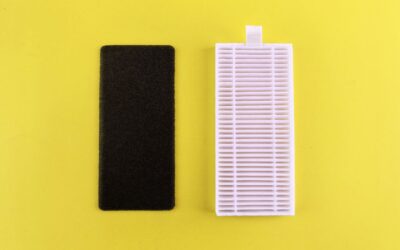
The filter mesh size is the primary factor in whether a robotic pool cleaner can pick up bugs. Most cleaners use a fine mesh filter that traps particles down to around 100 microns. This is sufficient for small bugs like mosquitoes, gnats, and small ants. However, if the mesh is too fine, it can clog quickly with organic debris, reducing suction. Conversely, a coarser mesh (like 50 microns) may allow tiny bugs to pass through, but it handles larger debris better.
You should check your cleaner’s filter specifications. If you notice that small bugs are escaping the filter, you might need a finer mesh. But remember, a very fine mesh can also trap algae and pollen, so consider your pool’s typical debris load when choosing a filter.
Suction Power and Water Flow
Suction power directly impacts a robotic pool cleaner’s ability to pick up bugs. Stronger suction creates a higher water flow, which can pull in larger bugs and hold them against the filter. Weak suction, often due to a clogged filter or low battery, may cause bugs to be dislodged before they reach the collection bin.
Most robotic cleaners offer adjustable suction settings. If your pool sees many large bugs, using a higher suction setting can improve capture rates. However, higher suction also drains the battery faster, so balance runtime with cleaning needs.
Bug Type: Floating vs. Sinking
Not all bugs behave the same in water. Some bugs, like water striders, float on the surface and may not be easily reached by a robotic pool cleaner that primarily cleans the floor and walls. Others, like beetles, quickly sink to the bottom and are readily picked up. If your main bug problem is surface insects, a robotic cleaner with a surface skimming feature or a separate skimmer might be needed.
Robotic cleaners that climb walls can also capture bugs clinging to the waterline. However, bugs that are very light or buoyant may simply float away from the intake. In such cases, manual skimming or a pool cover may be more effective.
Navigation and Coverage Pattern
How a robotic pool cleaner moves underwater affects whether it will encounter bugs in the first place. Some cleaners use random navigation, which may miss areas where bugs accumulate. Others use systematic scanning or AI navigation to cover the entire pool floor and walls. If bugs tend to collect in a particular corner or along a wall, a cleaner with intelligent navigation is more likely to reach them.
For example, AI navigation in robotic pool cleaners uses sensors to map the pool and avoid obstacles, ensuring thorough coverage. This can be beneficial if bugs are scattered across the pool.
Organic Debris and Clogging
Even if a robotic pool cleaner can pick up bugs, organic debris like leaves, pollen, and algae can clog the filter quickly, reducing its effectiveness. If your pool has a lot of such debris, the cleaner may fill up before it can capture all the bugs. In that case, you might need to run the cleaner more frequently or use a larger filter capacity model.
Also, decomposed bugs can create a slimy residue that clogs the filter. Cleaning the filter after each use is essential to maintain suction power.
How to Improve Your Robotic Cleaner’s Bug Picking Ability
- Check your filter mesh size: use a finer mesh for small bugs, coarser for large ones.
- Increase suction power if your cleaner allows it, to pull in larger bugs.
- Run the cleaner more frequently to prevent bugs from decomposing and clogging the filter.
- Clean the filter after each use to maintain optimal performance.
- Consider a cleaner with AI navigation for better coverage of bug-prone areas.
If bugs are a persistent issue, you may also want to understand how robotic pool cleaners move underwater, as this can help you choose a model that navigates effectively to reach all bugs.
Related Guides
- Best Robot Pool Cleaner Brand
- How Do Robotic Pool Cleaners Map a Pool
- Can Robotic Pool Cleaners Pick Up Acorns
Frequently Asked Questions
Will a robotic pool cleaner pick up dead bugs that have sunk to the bottom?
Yes, most robotic pool cleaners are designed to pick up debris from the floor, including dead bugs. The suction and filter will capture them as long as they are not too large or too decomposed.
Can a robotic pool cleaner handle large bugs like beetles or grasshoppers?
It depends on the cleaner’s intake size and suction power. Some larger bugs may get stuck in the intake or simply be too heavy to lift. In such cases, manual removal or a coarser filter may be needed.
Why does my robotic cleaner leave bugs floating on the surface?
Most robotic cleaners are not designed to skim the surface. They clean the floor and walls. For surface bugs, you may need a separate skimmer or a robotic cleaner with a surface attachment.
How often should I run my robotic pool cleaner to control bugs?
Running it daily during peak bug season can prevent buildup and reduce the chance of bugs decomposing and clogging the filter. Adjust based on your pool’s bug load.
Can a robotic pool cleaner pick up water bugs or water striders?
Water bugs that float on the surface are difficult for underwater cleaners. They may be picked up if they sink or if the cleaner has a surface skimming feature. Otherwise, manual skimming is more effective.
In summary, a robotic pool cleaner can pick up most bugs that sink or are small enough to fit through the intake, but surface bugs and very large insects may require additional help. If you want to dive deeper into how these machines work, read our guide on how robotic pool cleaners move underwater to better understand their mechanics.