If your pool robot is not picking up sand, the most common causes are a clogged or dirty filter, a full debris bag, worn brushes or tracks, or a navigation issue that prevents it from covering the entire floor. Each of these problems interrupts the robot’s ability to collect and retain fine particles like sand. Understanding which one applies to your situation will help you get your pool clean again quickly.
Clogged or Dirty Filter
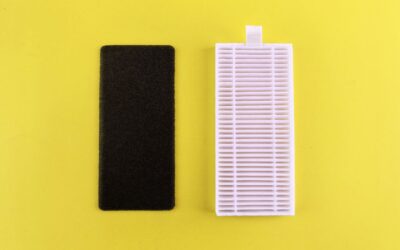
The filter is the first place to check when your robot isn’t picking up sand. Sand is a fine particle that can quickly clog even a partially dirty filter. When the filter is blocked, water flow drops, and the robot loses the suction it needs to lift sand off the floor. Many pool robots have a fine mesh filter that requires regular cleaning, especially after a heavy sand load.
If your robot has a cartridge filter, try rinsing it thoroughly with a garden hose. For a filter bag, empty it and shake out any trapped sand. Even a thin layer of debris can reduce performance significantly.
Full Debris Bag
Some pool robots collect debris in a bag or canister rather than a filter. When that bag is full, there is no room for additional sand. The robot may continue to move but will not pick up new material. This is especially common if you have not emptied the bag in a few cleaning cycles.
Check the bag capacity and empty it even if it doesn’t look completely full. Sand can compact at the bottom, reducing effective capacity. A clean bag restores the robot’s ability to collect and hold sand.
Worn Brushes or Tracks
Brushes and tracks are responsible for scrubbing and steering the robot across the pool floor. Over time, brush bristles can wear down, losing their ability to agitate sand and lift it into the water flow. Similarly, worn tracks reduce traction, causing the robot to slip over sand rather than capture it.
Inspect your robot’s brushes and tracks for signs of wear. Look for bent or missing bristles and smooth spots on the tracks. Replacing worn parts restores the robot’s ability to effectively pick up sand.
Insufficient Suction or Pump Power
Sand is heavier than dirt or leaves, and it requires adequate suction to lift it off the pool floor. Some robotic pool cleaners rely on a built-in pump, and if that pump is not working at full capacity, sand may be left behind. This can happen if the pump impeller is clogged with debris or if there is a blockage in the water intake.
Check the pump intake for any obstructions. If the robot has a removable impeller cover, clean it carefully. Reduced suction can also be a sign of a dying motor, which may require professional repair or replacement.
Navigation Issues
Some pool robots use sensors or patterns to cover the pool floor. If the navigation system is malfunctioning, the robot may miss entire sections of the pool, leaving sand untouched. This is more common in robots with older sensor technology or after a bump that misaligns a sensor.
Watch your robot during a cleaning cycle to see if it is following a logical pattern. If it repeatedly bumps into walls or circles in one area, navigation may be the issue. Resetting the robot or checking for sensor obstructions can help, but persistent problems may indicate a need for repair. For a deeper look at how robot navigation works, see our article on how robotic pool cleaner navigation works.
Sand Too Fine for the Robot’s Design
Not all pool robots are designed to handle very fine sand. Some models have filters with larger micron ratings that allow fine sand to pass through and settle back on the floor. If your pool has silica sand or very fine play sand, your robot may simply not be able to capture it effectively.
Check your robot’s specifications for the filter micron rating. A filter with a rating of 100 microns or less is better for fine sand. If your robot’s filter is too coarse, upgrading to a finer filter bag or cartridge, if available for your model, can make a difference. Otherwise, you may need to rely on manual vacuuming for the finest particles.
How to Fix a Pool Robot That Isn’t Picking Up Sand
- Clean or replace the filter cartridge or filter bag.
- Empty the debris bag completely, even if it looks partially full.
- Inspect and replace worn brushes or tracks.
- Check for clogs in the pump intake and impeller.
- Observe the robot’s navigation pattern and reset if needed.
- Verify your robot’s filter micron rating and consider a finer filter for fine sand.
After trying these steps, if your robot still struggles with sand, it may be worth understanding how its movement and cleaning mechanisms work. Our article on how robotic pool cleaners move underwater explains the engineering behind effective cleaning, which can help you identify any design limitations.
Related Guides
- Best Betta Pool Skimmer Robot for Floating Debris in 2026
- Why Is My Robotic Pool Cleaner Not Climbing Walls
- Why Is My Pool Robot Not Picking Up Leaves?
Frequently Asked Questions
Why does my pool robot leave sand behind after cleaning?
Sand is often left behind due to a clogged filter, a full debris bag, or worn brushes. If the robot cannot generate enough suction or agitation, fine sand particles remain on the floor. Check each component to find the cause.
How often should I clean my pool robot’s filter?
For pools with heavy sand or debris, clean the filter after every use. In normal conditions, cleaning every two to three cycles is usually sufficient. A dirty filter is the most common reason for poor pickup performance.
Can sand damage my pool robot?
Sand is abrasive and can wear down brushes, bearings, and seals over time. Regularly cleaning the robot and replacing worn parts will prevent long-term damage. Fine sand can also clog filters more quickly than larger debris.
What type of sand is hardest for a pool robot to collect?
Very fine sand, such as silica sand or play sand, is the most difficult for pool robots to pick up. These particles are small enough to pass through some filters or settle too quickly for the robot’s suction to capture. A finer filter bag can help.
Is it normal for a new pool robot to miss some sand?
Some sand is normal because no robot can capture every single particle. However, if a new robot consistently leaves visible sand patches, check the filter and brushes for proper installation. If the problem persists, the robot may have a design limitation for fine sand.
In most cases, a pool robot that isn’t picking up sand needs a simple filter cleaning or a worn part replacement. If you’ve tried all the fixes and still see sand on the floor, the robot’s navigation or design may be the bottleneck. To learn more about how robots move and clean, read our guide on how AI navigation works in robotic pool cleaners.