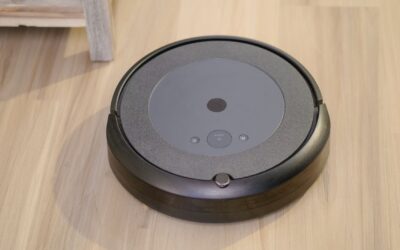
Cordless robotic pool cleaners work by using a rechargeable battery pack to power an internal motor, which drives the wheels and brushes while a built-in pump pulls water through a filter. Instead of a trailing cord, the unit operates entirely underwater on its own power source, relying on onboard sensors and a programmed navigation system to cover the pool floor, walls, and waterline. After a cleaning cycle, you simply lift the cleaner out, rinse the filter, and plug it into a charger. This self-contained design eliminates cord tangles and allows you to use the cleaner in pools without a nearby electrical outlet.
Battery Power and Recharging
The core of a cordless robotic pool cleaner is its lithium-ion or lead-acid battery, which stores enough energy for one full cleaning cycle, typically 60 to 90 minutes. The battery is sealed inside a waterproof compartment and connects to the motor and control board via watertight connectors. When the battery runs low, the cleaner either returns to the pool edge or simply stops; you then remove it, open the charging port, and connect the included power adapter. Charging usually takes 3 to 6 hours, depending on the battery capacity and charger output.
Battery life degrades over time, so most manufacturers design the battery as a replaceable part. Some models let you swap batteries mid-season, while others require sending the unit in for service. The absence of a cord means you never have to manage a long cable across the patio, but you do need to remember to charge the unit after each use.
Navigation and Movement
Without a cord to guide it, a cordless robotic pool cleaner must navigate the pool independently. Most use a combination of gyroscopes, accelerometers, and bump sensors to detect walls and change direction. Some models employ a random bounce pattern, while others follow a systematic grid or spiral path. The onboard computer processes sensor data to adjust the motor speeds on each wheel, allowing the cleaner to climb walls, turn, and avoid obstacles.
Advanced units include sonar or optical sensors that map the pool shape and track coverage. This prevents the cleaner from wasting battery time on already-cleaned areas. The navigation system is what makes a cordless cleaner effective; without it, the unit might miss large sections or get stuck on steps.
Filtration and Cleaning Mechanism
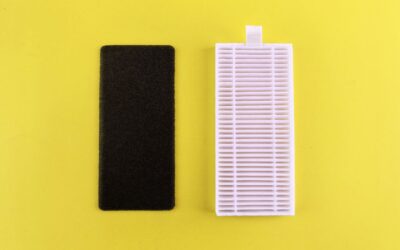
The cleaning action comes from rotating brushes that scrub the pool surfaces and a pump that sucks debris into an internal filter bag or cartridge. The brushes are usually made of durable rubber or nylon and are powered by the same motor that drives the wheels. As the cleaner moves, water enters through intake vents, passes through the filter media, and is expelled back into the pool. The filter traps particles from fine sand to large leaves.
Because there is no cord, the pump and filter must be sized for the battery capacity. Cordless models typically have slightly lower flow rates than corded counterparts, but they still capture the majority of debris in a typical residential pool. Regular filter cleaning is essential to maintain suction and battery efficiency.
Safety and Waterproofing
Every cordless robotic pool cleaner is designed to be fully submersible and waterproof to a depth of at least 2 meters. The battery, motor, and electronics are sealed with O-rings and gaskets, and the charging port has a cap that must be closed before operation. Safety features include automatic shutoff if the unit detects a leak or if the battery overheats. The low voltage (typically 12V to 24V) inside the unit also reduces electrical risk in the water.
Unlike corded cleaners, there is no risk of tripping over a cable or having the cord get caught on pool fittings. This makes cordless models especially popular for above-ground pools and pools with irregular shapes where cord routing is difficult.
Limitations and Considerations
The main trade-off with a cordless robotic pool cleaner is runtime. A single charge may not be enough for very large pools, so you might need to run two cycles or invest in a model with a larger battery. Also, the cleaner must be removed from the water to charge, which means it cannot be left in the pool permanently. Some users find the routine of lifting the unit out and storing it a minor inconvenience compared to the convenience of no cord.
Battery replacement cost is another factor. Lithium-ion batteries typically last 2 to 4 years, and replacement packs can cost a significant portion of the cleaner’s original price. However, for many pool owners, the freedom from cord management outweighs these limitations.
What to Do to Get the Best Performance
- Fully charge the battery before each cleaning cycle to maximize runtime.
- Clean the filter after every use to maintain suction and prevent battery drain.
- Store the cleaner in a cool, dry place out of direct sunlight to extend battery life.
- Check the brushes and wheels regularly for debris buildup that could slow the unit.
- Follow the manufacturer’s guidelines for battery replacement when performance drops.
If you own a cordless robotic pool cleaner, keeping the filter clean is one of the most important maintenance steps. For a step-by-step guide on how to do that properly, see our detailed article on how to clean robotic pool cleaner filter.
Frequently Asked Questions
How long does the battery last on a cordless robotic pool cleaner?
Most cordless robotic pool cleaners run for 60 to 90 minutes on a full charge. The exact runtime depends on the battery capacity, the size of the pool, and the cleaning mode selected. Some high-end models offer up to 2 hours, but larger pools may still require two cycles.
Do cordless robotic pool cleaners need to be connected to a power source at all?
No, they operate entirely on battery power while in the water. The only time they connect to a power source is during charging, which is done out of the pool. This eliminates any electrical risk in the water and makes setup simple.
Can a cordless robotic pool cleaner clean the walls and waterline?
Yes, many cordless models are designed to climb walls and scrub the waterline. They use gyroscopic sensors and motorized wheels to maintain traction on vertical surfaces. However, not all cordless cleaners have this capability, so check the specifications before buying.
Are cordless robotic pool cleaners as effective as corded ones?
For most residential pools, cordless cleaners are just as effective at removing dirt, leaves, and algae. The main difference is runtime: corded models can run indefinitely, while cordless units have a limited battery. For very large or heavily soiled pools, a corded cleaner may be more practical.
How do you recharge a cordless robotic pool cleaner?
After use, remove the cleaner from the pool, rinse it off, and open the charging port cover. Plug the included power adapter into a standard wall outlet and connect the other end to the cleaner. A full charge typically takes 3 to 6 hours, and an indicator light shows when charging is complete.
Related Guides
Closing
Cordless robotic pool cleaners work by combining battery power, smart navigation, and self-contained filtration to clean your pool without the hassle of a cord. If you’re considering whether a cordless model is right for your above-ground pool, check out our guide on can robotic pool cleaner be used in above ground pool for helpful insights.