Robotic pool cleaners return to the surface by combining buoyancy, motor reversal, and pre-programmed logic. When the cleaning cycle ends or the unit detects a problem, the internal motors reverse direction to push water upward, helping the cleaner rise. At the same time, the buoyant design of the body naturally pulls it toward the surface. This coordinated action ensures the cleaner emerges at a predictable spot, usually near the pool wall or skimmer, so you can retrieve it easily.
Buoyancy and Motor Reversal: The Primary Mechanism
Most robotic pool cleaners rely on a simple but effective principle: they are slightly less dense than water. Their internal components, including the motor housing and sealed electronics, create natural buoyancy. When the unit stops its forward motion and reverses the impeller or drive motors, the change in thrust helps lift the cleaner upward.
The reversal of the motor direction is often triggered by the end of a programmed cycle or a signal from the control unit. This combination of buoyancy and reverse thrust allows the cleaner to rise without needing a separate lift mechanism. It’s the most common method used across all major brands.
Pre-Programmed Surface Cycles: When the Cleaner Decides to Come Up
Many robotic pool cleaners include a pre-programmed surfacing cycle that activates at regular intervals during the cleaning run. For example, the unit might surface every 30 to 60 minutes to check its position or to allow the filter to release trapped air. This is not a sign of a malfunction; it’s a deliberate design feature.
The surfacing cycle is typically set at the factory, but some models let you adjust the frequency through the control panel or app. If your cleaner surfaces often, it may be following a default schedule rather than reacting to a problem. Understanding this cycle can help you avoid unnecessary worry.
Battery Low Detection: Surfacing to Protect the Battery
Battery-powered robotic pool cleaners have a built-in low-voltage cutoff that triggers a return to the surface. When the battery charge drops below a certain threshold, the control board sends a signal to reverse the motors and bring the cleaner up. This prevents the battery from fully discharging underwater, which could damage the cells.
The surfacing procedure for low battery is usually the same as the standard end-of-cycle rise. Once the cleaner reaches the surface, it may float or gently beep to alert you. If you notice your cleaner surfacing much earlier than expected, the battery might be aging or not holding a full charge.
Sensor-Triggered Surfacing: Obstacles and Error Detection
Robotic pool cleaners are equipped with sensors that detect obstacles, steep drops, or mechanical jams. When the unit encounters an object it cannot climb over or a trapped cord, the control system may initiate an emergency surfacing routine. This is a safety feature to prevent the cleaner from getting stuck or damaging itself.
Some cleaners also have tilt sensors that detect if the unit has flipped over. In that case, the motors reverse to right the cleaner and then bring it to the surface. If your cleaner surfaces repeatedly in the same spot, it could be hitting a ledge or a piece of debris that triggers the sensor.
Cord Tangles and Other External Factors That Affect Surfacing
The floating cable that connects the cleaner to the power supply can sometimes interfere with the surfacing mechanism. If the cord wraps around the cleaner or gets caught on a ladder or return jet, the unit may struggle to rise properly. In such cases, the cleaner might surface at an angle or fail to reach the surface entirely.
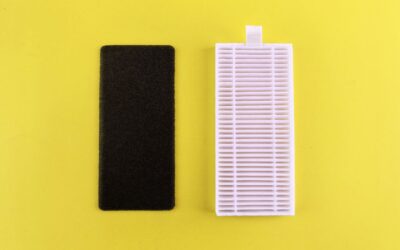
Similarly, debris in the filter or a clogged impeller can reduce thrust, making it harder for the cleaner to buoy upward. Regular maintenance of the filter and cord is essential to keep the surfacing mechanism working reliably. Check the cord for kinks and ensure the filter is clean after each use.
How to Ensure Your Robotic Pool Cleaner Surfaces Reliably
- Keep the filter cartridge or bag clean to maintain proper water flow and buoyancy.
- Inspect the floating cable for tangles, sharp bends, or damage before each use.
- Check that the cleaner’s battery (if cordless) is fully charged before starting a cycle.
- Remove large debris, such as leaves or toys, from the pool to prevent sensor triggering.
- Verify that the control unit or app is set to the correct cycle length and surfacing interval.
If you follow these steps, your robotic pool cleaner should surface as designed. For more detailed guidance on keeping the filter in top shape, see our step-by-step guide on how to clean the robotic pool cleaner filter. A clean filter directly supports the buoyancy and motor performance that make surfacing possible.
Frequently Asked Questions
Why does my robotic pool cleaner sometimes not surface?
Common reasons include a low battery, a clogged filter, a tangled cord, or a sensor that is blocked by debris. If the cleaner cannot generate enough reverse thrust or buoyancy, it may stay submerged. Check the filter and cord first, as those are the most frequent causes.
Can I manually tell my robotic pool cleaner to surface?
Yes, many models have a manual surface button on the control unit or in the mobile app. Pressing this button sends a signal to reverse the motors and bring the cleaner up immediately. If your model lacks this feature, you can usually lift the power supply to trigger a cable tug that also initiates surfacing.
Does the type of pool affect how the cleaner surfaces?
Above-ground pools with shallow depths may cause the cleaner to surface faster because there is less water above it. Inground pools with varying depths generally do not affect the mechanism as long as the buoyancy and motor reversal are working correctly. The shape of the pool walls and steps can sometimes trigger obstacle sensors prematurely.
How long does it take for a robotic pool cleaner to surface after the cycle ends?
Most cleaners surface within 30 to 60 seconds after the cycle completes or a surfacing command is given. The exact time depends on the depth of the pool, the buoyancy of the unit, and the power of the reverse motors. If it takes longer than two minutes, inspect the cleaner for issues.
Related Guides
Closing
Robotic pool cleaners use buoyancy, motor reversal, and smart sensors to return to the surface reliably. To keep your cleaner performing at its best, regular filter maintenance is key. For a deeper dive into filter care, read our guide on how often to clean the robotic pool cleaner filter.