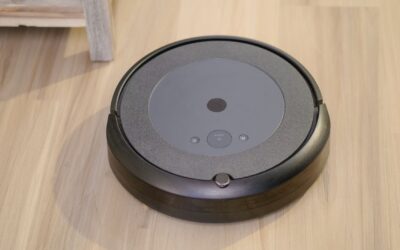
Robotic pool cleaners move underwater by using electric motors to power drive systems such as tracks or wheels, while an onboard pump creates water flow that propels the unit forward and helps it climb walls. The cleaner’s navigation system, which may include gyroscopes, accelerometers, and bump sensors, directs its path across the pool floor and up vertical surfaces. Together, these components allow the device to cover the entire pool without human guidance.
Propulsion: How the Pump and Motors Work
The core of a robotic pool cleaner’s movement is its electric motor and internal water pump. The motor drives the wheels or tracks, while the pump draws water in through the bottom intake and expels it out the rear, creating thrust that pushes the cleaner forward. This dual system allows the unit to move at a steady speed even when climbing vertical surfaces.
Most modern robots use brushless DC motors for efficiency and quiet operation. The pump’s flow rate is calibrated to balance propulsion with filtration, so the cleaner can move effectively while also capturing debris. If the pump intake becomes clogged, the robot may slow down or stop moving altogether.
Drive Systems: Tracks, Wheels, and Brushes
Robotic pool cleaners use either tracks or wheels to traverse the pool surface. Tracks provide better traction on slippery surfaces and are common on models designed for steep walls and irregular pool shapes. Wheels are simpler and often found in budget-friendly units, but they may struggle on steep inclines or heavy debris.
Brushes also play a role in movement. Front and rear brushes help sweep debris toward the intake while also providing additional grip on the pool floor. Some cleaners use rotating brush rollers that act like treads, further aiding traction. The combination of drive system and brush design determines how well the robot handles different pool surfaces and slopes.
Wall Climbing Techniques
Climbing walls requires a combination of strong suction and good traction. The onboard pump creates a low-pressure zone under the cleaner, helping it adhere to vertical surfaces. Tracks or specially designed wheels then use that suction to pull the robot upward without slipping.
Some robots use a secondary water jet to push water out from the bottom, creating a seal that enhances grip. The ability to climb walls depends on the pool’s surface texture; smooth tiles or fiberglass can be more challenging than textured plaster. For more on how brush designs affect wall climbing, you can explore our guide to the best wall climbing brushes.
Navigation: Random vs. Systematic Patterns
How a robotic pool cleaner moves underwater also depends on its navigation algorithm. Random navigation units travel in straight lines until they hit an obstacle, then change direction. This can lead to missed spots and longer cleaning cycles. Systematic navigation uses gyroscopes and accelerometers to map the pool and plan a grid-like path, ensuring full coverage.
Higher-end models add sonar or optical sensors to detect walls and waterline edges. Some can even learn the shape of your pool over multiple cycles. The navigation system directly affects cleaning efficiency and how long it takes to cover the entire pool.
Power Source and Tether Management
Most robotic pool cleaners are corded, drawing power from a transformer outside the pool. The cord is designed to float and swivel to prevent tangling, allowing the robot to move freely. Cordless models use rechargeable batteries, offering more freedom but limited run time. The power source influences movement range and whether the robot can handle larger pools.
Battery-powered robots typically move slower to conserve energy, while corded models can maintain consistent speed throughout the cycle. Regardless of type, all robots rely on a sealed motor housing to prevent water damage.
How to Ensure Optimal Movement
- Check the tracks or wheels for trapped debris that could reduce traction.
- Clean the pump intake and filter basket regularly to maintain water flow.
- Inspect brushes for wear; worn bristles reduce grip and cleaning performance.
- Ensure the power cord or battery is fully functional and not causing drag.
- Update the robot’s firmware if available to improve navigation algorithms.
If you want to understand how brush design specifically affects wall climbing, our roundup of the best wall climbing brushes covers the different types and their real-world performance. It can help you choose a model that matches your pool’s surface.
Frequently Asked Questions
Can robotic pool cleaners climb stairs?
Most robotic cleaners cannot climb stairs because the tread depth is too steep for their drive systems. Some models with aggressive tracks may manage a single step, but they generally avoid stairs to prevent getting stuck. If your pool has steps, you may need to clean them manually or use a dedicated step brush.
Why does my robotic pool cleaner get stuck?
Robots often get stuck on protruding drain covers, loose tiles, or heavy debris like large leaves. The drive system may also lose traction on smooth surfaces. Ensuring the pool is clear of obstacles and checking that tracks or wheels are clean can reduce stuck incidents.
How do robotic pool cleaners know where they have been?
Robots with systematic navigation use onboard sensors to track their position relative to walls and obstacles. They store a virtual map of the pool and adjust their path to avoid revisiting areas. Random navigation models do not keep track; they rely on bump-and-turn patterns.
Do robotic pool cleaners work in all pool shapes?
Most robotic cleaners can handle rectangular, oval, and kidney-shaped pools. However, pools with very sharp corners or extreme slopes may challenge the robot’s navigation and drive system. Some models offer specialized software for irregular shapes.
How fast do robotic pool cleaners move?
Speed varies by model, but most robotic cleaners travel at about 20 to 30 feet per minute on flat surfaces. Climbing walls is slower, around half that speed. The pace is designed to balance coverage time with thorough cleaning.
Related Guides
Closing
Robotic pool cleaners move underwater through a coordinated effort of motors, pumps, drive systems, and smart navigation. Understanding these components helps you maintain your cleaner and choose one that fits your pool. For a closer look at how brush designs impact wall climbing, check out our picks for the best wall climbing brushes.