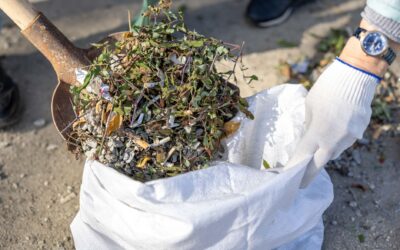
Robotic pool cleaners collect debris by using a built-in pump to create suction, active brushes to loosen dirt, and a fine filter to trap particles. The robot moves across the pool floor and walls, drawing in water and debris through an intake, then passing it through a filter bag or cartridge before returning clean water to the pool. This closed-loop system allows the cleaner to operate independently of the pool’s main circulation, targeting everything from large leaves to fine sediment.
Suction and Pump System
The heart of debris collection is the robotic cleaner’s pump motor, which creates a strong suction current. Water and debris are drawn into the intake at the bottom of the unit. The pump’s flow rate determines how effectively it can lift heavier items like pebbles or sunken leaves.
Unlike suction-side pool cleaners that rely on the main pool pump, robotic cleaners have their own sealed motor. This gives them consistent suction power regardless of the pool’s filtration system condition. The pump also helps propel the robot forward, aiding navigation.
Scrubbing Brushes and Agitation
Most robotic pool cleaners are equipped with rotating or scrubbing brushes that loosen debris from pool surfaces. These brushes, often made of durable nylon or rubber, sweep dirt, algae, and biofilm into the water column so the suction can capture it.
The brush design varies: some use a single brush, others have dual or triple brushes. Rubber brushes are gentler on vinyl liners, while nylon brushes provide deeper scrubbing for concrete or tile. The agitation also helps dislodge fine particles like sand that might otherwise settle.
Filtration System: Bags and Cartridges
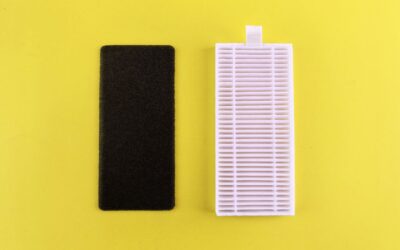
Once debris enters the robot, it is directed into a filter chamber. Most cleaners use either a fine mesh bag or a pleated cartridge filter. The filter’s micron rating determines how small a particle it can trap, finer filters catch algae spores and silt, while coarser ones handle leaves and twigs.
The filter is designed to be easily removed and cleaned. Some models feature self-cleaning mechanisms that backwash during operation, but manual cleaning is still needed periodically. The capacity of the filter bag affects how long the robot can run before needing emptying, especially in heavily debris-laden pools.
Navigation and Coverage Patterns
How the robot moves across the pool directly impacts debris collection. Early models used random bouncing patterns, but modern units employ gyroscopes, accelerometers, or even sonar to map the pool floor and walls systematically. This ensures complete coverage and prevents missed spots.
Wall-climbing robots use additional suction or track systems to ascend vertical surfaces, collecting debris stuck to tiles or plaster. Without effective navigation, even a powerful suction system would leave areas uncleaned. The robot’s algorithm also helps it avoid obstacles like steps and ladders.
Types of Debris Collected
Robotic pool cleaners are designed to handle a wide range of debris. Large items like leaves, acorns, and bugs are captured in the filter bag. Fine particles like sand, dirt, and algae spores pass through the coarse pre-filter but are trapped by the finer main filter.
Some robots specialize in particular debris types, for example, models with wide intake throats are better for leaves, while those with ultra-fine filters excel at polishing water clarity. However, no single robot collects every type perfectly, which is why choosing the right filter micron rating matters.
How to Maintain Debris Collection Efficiency
To keep your robotic pool cleaner collecting debris effectively, regular maintenance is essential. Here are the key actions to take:
- Empty and clean the filter after each use or when full to maintain suction.
- Inspect brushes for wear and replace them if bristles are bent or missing.
- Check the pump impeller for debris jams that could reduce flow.
- Ensure the robot’s tracks or wheels are free of tangled hair or string.
- Run the robot on a regular schedule to prevent debris buildup.
If your robot stops picking up debris effectively, the filter or brushes are usually the culprit. For a deeper look at why a pool robot might not be collecting debris, see our guide on why is my pool robot not picking up Debris? 7 common causes and fixes.
Frequently Asked Questions
Do robotic pool cleaners pick up algae?
Yes, robotic pool cleaners can remove loose algae from pool surfaces, especially if they have fine micron filters (below 10 microns). However, they cannot kill or prevent algae growth; that requires proper water chemistry and sanitization.
How do robotic pool cleaners climb walls?
Wall-climbing robots use a combination of strong suction and rubber tracks or wheels with high traction. The pump creates enough vacuum to hold the robot against vertical surfaces while it crawls upward, scrubbing and collecting debris along the way.
How often should I empty the filter?
It depends on debris load, but a good rule is to check the filter after each cleaning cycle. If the filter bag is more than half full, empty it. Running with a full filter reduces suction and can strain the pump motor.
Can robotic pool cleaners collect sand?
Yes, most robotic pool cleaners can pick up sand, but the filter must have a fine enough micron rating (typically 100 microns or less). Coarse filters may let sand pass through and settle back on the pool floor.
Related Guides
Closing Thoughts
Robotic pool cleaners collect debris through a coordinated system of suction, scrubbing, and filtration, all guided by smart navigation. Understanding these mechanisms helps you choose the right model and maintain it for peak performance. For more on keeping your pool robot in top condition, check out our guide on how often to clean robotic pool cleaner filter.