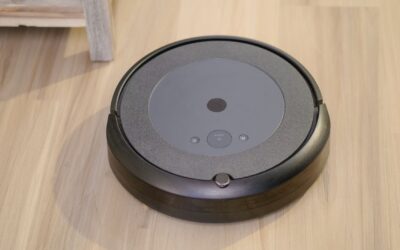
A robotic pool cleaner navigates using a combination of sensors, programming algorithms, and physical design features to systematically cover the pool floor, walls, and waterline. The cleaner relies on bump sensors, gyroscopes, and accelerometers to detect obstacles and orientation, while its software uses patterns like random, systematic, or hybrid paths to ensure complete coverage. Understanding how does a robotic pool cleaner navigate helps you choose the right model for your pool’s shape and size.
Sensor-Based Navigation: Bump, Gyro, and Accelerometer
Most robotic pool cleaners use bump sensors to detect walls, steps, and other obstacles. When the cleaner hits a surface, the sensor triggers a change in direction, preventing it from getting stuck. More advanced models add a gyroscope and accelerometer to track orientation and movement, allowing the robot to know if it is climbing a wall or tipping over.
These sensors work together to create a basic awareness of the pool environment. The gyroscope helps the robot maintain a straight line on the floor, while the accelerometer detects changes in speed and tilt. This combination is common in mid-range cleaners and provides reliable navigation for most rectangular pools.
Algorithm-Based Navigation: Random, Systematic, and Hybrid
The navigation algorithm dictates how the cleaner moves across the pool. Random navigation uses a bounce pattern: the robot moves in a straight line until it hits an obstacle, then turns randomly and continues. This is simple and inexpensive but can miss spots or spend too much time in one area.
Systematic navigation uses a pre-planned path, such as a grid or a spiraling pattern, to cover the pool in a methodical way. This is more efficient and ensures complete coverage. Hybrid algorithms combine both approaches, using sensors to adapt the path when obstacles are encountered. Many high-end cleaners in 2026 use hybrid systems for optimal performance.
Physical Design: Tracks, Wheels, and Brushes
The physical design of the cleaner directly impacts its ability to navigate different surfaces. Tracked models offer better grip on slopes and walls, while wheeled models are faster on flat floors. The type and placement of brushes also affect movement: scrubbing brushes help the robot climb by providing friction, while soft brushes are gentler but less effective on rough surfaces.
The shape and weight distribution influence how the cleaner turns and climbs. A low center of gravity helps stability on steep walls, while a wider body reduces the chance of tipping over. These design choices are often tailored to specific pool types, such as vinyl or concrete.
Waterline Navigation: Climbing Walls and the Waterline
Many robotic pool cleaners can climb walls and reach the waterline to clean debris and algae. This requires strong suction and a design that allows the robot to flip over and float upward. The cleaner uses its sensors to detect when it is on a vertical surface and adjusts its motor speed to maintain traction.
Not all cleaners climb walls equally well. Some are designed to only clean the floor and walls, while others also cross the waterline to scrub the tile line. The ability to navigate the waterline is a key feature for pools with frequent algae buildup or debris that floats.
Mapping and Learning: Advanced Navigation Technologies
High-end robotic pool cleaners use mapping technology to learn the shape and features of your pool over multiple cleaning cycles. They create a virtual map and store it in memory, allowing them to optimize their path for future cleanings. This reduces cleaning time and energy consumption.
Some models use sonar or lidar to map the pool in real time, while others rely on pattern recognition from sensors. Mapping is especially useful for pools with irregular shapes, steps, or multiple levels. As of 2026, mapping technology is becoming more common in premium models, but it is still rare in budget-friendly cleaners.
How to Evaluate Navigation Features for Your Pool
When choosing a robotic pool cleaner, consider the navigation features that match your pool’s layout. Here are the key factors to look at:
- Check the sensor types: bump sensors are standard, but gyroscopes and accelerometers improve accuracy.
- Look at the navigation algorithm: systematic or hybrid is better for complete coverage, especially in large pools.
- Consider the cleaner’s climbing ability: if your pool has walls or a waterline, ensure it can climb effectively.
- Evaluate the physical design: tracks or wheels, brush type, and weight distribution all affect navigation.
- If you have a complex pool shape, mapping capability can save time and ensure thorough cleaning.
For a closer look at the components that help your cleaner climb walls and navigate tricky surfaces, check out our guide on the best pool cleaner wall climbing brush. These accessories can enhance the navigation performance of many models.
Related Guides
Frequently Asked Questions
Do all robotic pool cleaners navigate the same way?
No, they vary significantly. Budget models use random bump navigation, while premium models use systematic algorithms, sensors, and sometimes mapping. The navigation method directly affects cleaning efficiency and pool coverage.
How does a robotic pool cleaner know where it has been?
It uses a combination of sensors and algorithms. Some cleaners store a virtual map of the pool, while others rely on pattern recognition. Bump sensors tell it when it hits an obstacle, and gyroscopes help track its position relative to the start.
Can a robotic pool cleaner get stuck?
Yes, it can get stuck on obstacles like drains, steps, or uneven surfaces. However, many models have obstacle detection and reverse mechanisms. Cleaners with strong traction and good sensors are less likely to get stuck.
How does a robotic pool cleaner climb walls?
It uses suction from its pump and the design of its tracks or wheels to grip the vertical surface. Sensors detect the change in angle and adjust the motor speed. The cleaner must be weighted correctly to avoid flipping over.
Does a robotic pool cleaner need a mapping system?
Not necessarily. For simple rectangular pools, random or systematic navigation without mapping works fine. Mapping is beneficial for complex shapes, multiple levels, or pools with many obstacles. It reduces cleaning time but adds cost.
In summary, robotic pool cleaners navigate using a mix of sensors, algorithms, and design. Understanding how does a robotic pool cleaner navigate helps you choose a model that fits your pool. For a deeper look at the components that improve grip and climbing, explore our guide on best pool robot traction brush.