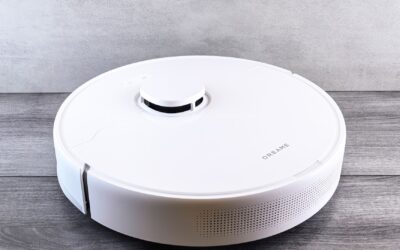
Robotic pool cleaners can pick up sand, but most do so poorly or not at all, depending on the cleaner’s design and your sand’s particle size. Fine sand tends to pass through filters or get kicked up into the water column instead of being vacuumed into the debris basket. Coarser sand may collect in the filter but often clogs it quickly, reducing cleaning efficiency and requiring frequent maintenance.
Filter Type Limits Sand Pickup
The filter cartridge or bag inside your cleaner determines how well it handles sand. Standard mesh filters are designed to catch debris larger than their pore size, but fine sand particles slip right through or get trapped in the mesh without being properly contained. This causes sand to recirculate back into your pool rather than staying in the basket.
Some cleaners use fine-mesh or ultra-fine filter options that theoretically capture smaller particles. However, these filters clog much faster when exposed to sand, reducing water flow and forcing you to clean or replace the filter every few days instead of weekly. The trade-off between capturing sand and maintaining suction often isn’t worth it for pools with ongoing sand problems.
Suction Power Affects Sand Movement
Robotic cleaners rely on suction or brush action to move debris into the filter basket. Sand is heavy and doesn’t move easily across pool surfaces like leaves or debris do. Cleaners with weaker suction may push sand around without actually collecting it, or they may stir it up into the water where it stays suspended rather than settling for pickup.
Stronger suction helps, but it also increases the risk of clogging your filter faster. You’re caught between two problems: weak suction leaves sand behind, while strong suction clogs the filter with sand that does get pulled up.
Sand Particle Size Matters
Fine sand, like what you’d find on a beach or in a sandbox, is much harder for robotic cleaners to handle than coarse sand or pea gravel. Fine particles are small enough to slip through most filter meshes and light enough to stay suspended in water. Coarser sand settles faster and may be contained more easily, though it still presents challenges.
The source of your sand matters too. Sand tracked in from shoes, a nearby construction site, or a deteriorating pool deck creates ongoing contamination that no cleaner can fully manage on its own. One-time sand events are easier to handle than chronic sand problems.
Brush Design and Debris Path
Cleaners with rotating brushes can sometimes move sand, but the brush action often stirs sand up rather than directing it into the filter. The path from the pool floor to the filter basket determines whether sand actually gets collected or just redistributed. Some cleaner designs have debris channels or collection zones that work better with sand than others, though this varies by model.
Cleaners without brushes, which rely purely on suction, may actually perform better with sand since they don’t agitate it. However, they still face the suction-versus-clogging trade-off.
Preventive Measures Work Better Than Cleanup
Rather than relying on your robotic cleaner to handle sand after it enters the pool, prevention is more effective. Reducing sand at the source means your cleaner can focus on regular debris and your filter stays cleaner longer. This approach also keeps your pool water clearer and reduces the strain on your equipment.
How to Handle Sand in Your Pool
- Use a pre-filter or skimmer basket to catch sand before it reaches the main pool circulation system.
- Sweep or rake sand off the pool deck and surrounding areas to prevent it from being tracked in.
- Install a pool cover when the pool isn’t in use to block sand and debris from wind.
- Run your robotic cleaner more frequently during high-sand periods, but monitor your filter for clogs.
- Clean or backwash your pool’s main filter more often if sand is present.
- Consider a pool vacuum designed specifically for sand if sand is a chronic problem.
- Upgrade to a finer filter cartridge only if sand is a one-time issue, since it will clog quickly with ongoing sand.
Top-Rated Replacement Picks
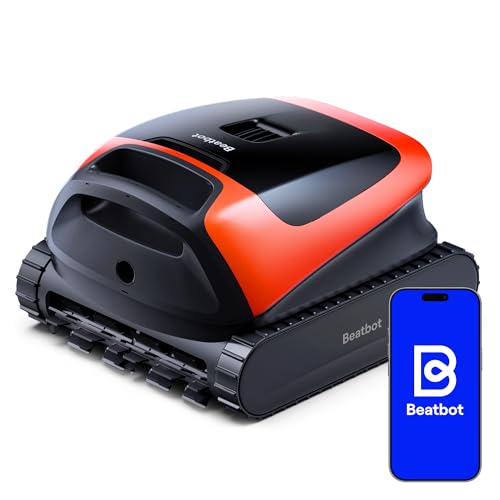
If the fixes above don’t solve the problem, or your current pool robot is simply worn out, these well-reviewed options are worth a look.


Frequently Asked Questions
Will sand damage my robotic pool cleaner?
Sand can cause premature wear on pump seals, motors, and filter cartridges, but it won’t permanently damage most cleaners if you maintain them properly. Regular filter cleaning and occasional flushing of the cleaner’s internal passages help prevent sand-related wear. However, chronic sand exposure will shorten the cleaner’s lifespan.
Should I stop using my robotic cleaner if there’s sand in the pool?
You don’t need to stop, but you should monitor your filter closely and clean it more often. If your filter clogs within a day or two, consider using a manual vacuum or letting sand settle before running the cleaner. Letting sand settle for a few hours reduces the amount your cleaner has to process.
Can I use a finer filter to catch more sand?
Finer filters do catch more sand, but they clog much faster and reduce your cleaner’s suction significantly. This is only practical for temporary sand problems. If sand is a recurring issue, focus on prevention instead of relying on filter upgrades.
What’s the best way to remove sand that’s already in the pool?
Let sand settle for several hours, then use a manual pool vacuum or wet-dry shop vacuum to remove it from the floor. Your robotic cleaner can help with ongoing maintenance, but manual removal is faster for large amounts of sand. After removal, identify and block the sand source to prevent it from returning.
Do all robotic cleaners handle sand the same way?
No. Cleaners with different filter types, suction strengths, and brush designs perform differently with sand. Some handle it slightly better than others, but none excel at sand removal. Read user reviews and ask about sand performance before purchasing if sand is a concern in your pool.
Related Guides
- Can Robotic Pool Cleaners Remove Algae?
- Can Robotic Pool Cleaner Be Used in Above Ground Pool?
- Robotic Pool Cleaner Replacement Motor
The Bottom Line
Most robotic pool cleaners can pick up sand to some degree, but they do it inefficiently and at the cost of faster filter clogging. Prevention and manual removal work better than expecting your cleaner to handle sand on its own. Focus on keeping sand out of your pool first, then use your cleaner for regular maintenance.