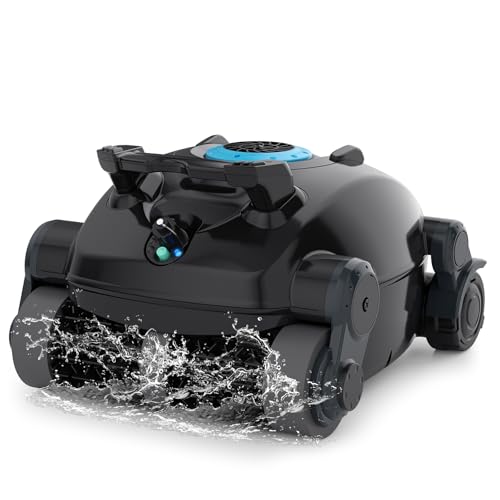
You notice it every time you dip into the pool: that stubborn scum line, the white calcium crust along the waterline tiles, or the greenish algae clinging to grout lines. A standard pool brush just won’t cut it for those tight, delicate tile surfaces. You need a specialized scrubbing brush that can tackle tough buildup without scratching your tile or grout. In this guide, we review the best pool cleaner scrubbing brush for tile pools in 2026, covering manual brushes, pumice stones, and handheld scrubbers for every type of tile pool. Whether you own a plaster, gunite, concrete, or fiberglass pool, we have curated options from top brands like Poolmaster, U.S. Pool Supply, and NEOHATION. For more on choosing the right brush for different surfaces, check out our guide to scrubbing brushes for concrete pools.


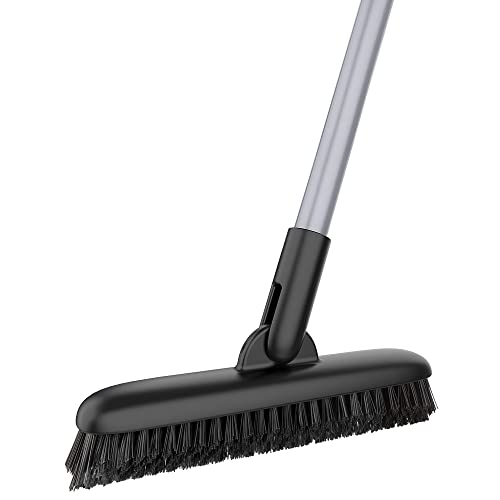

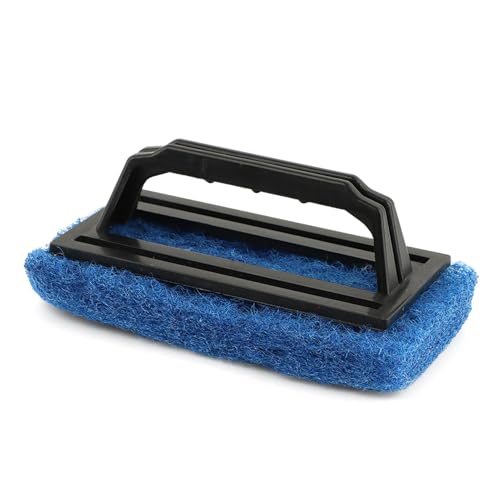


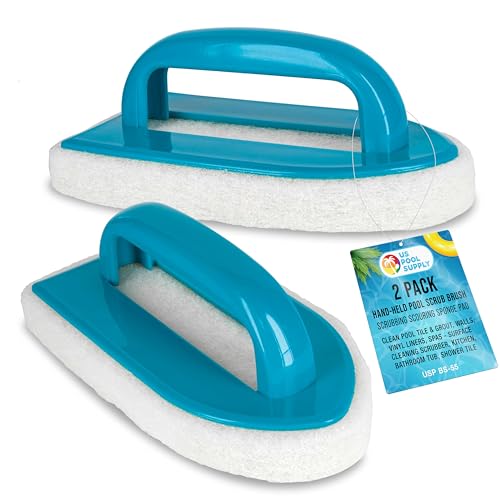
Buying Guide: What to Look for in a Tile Pool Scrubbing Brush
Brush Material: Nylon vs. Stainless Steel vs. Pumice
Your pool tile material dictates the safest brush material. For ceramic, glass, or porcelain tiles, nylon bristles or scouring pads are gentle yet effective against daily grime and mild scaling. Stainless steel brushes, like the U.S. Pool Supply Hand-Held Scrub Pad or the Poolmaster 5-Inch Detail Brush, excel on concrete and gunite pools but can scratch softer tile surfaces. Pumice stones, such as the U.S. Pool Supply Pool Cleaning Pumice Stone, are ideal for rubbing away hard calcium deposits without chemicals—just wet the stone and gently scrub. For heavy-duty calcium on grout, a combination of a scraper and pumice stone works wonders.
Head Size and Maneuverability
Tight spaces like steps, corners, and waterline tile edges require a compact brush head. Look for a head width of 5 inches or less for precision. The Sepetrel Pool Brush Head features a rotatable handle that pivots 90 degrees, letting you clean under rails and around fittings with ease. Similarly, the Pool Tile Brush Scrubber 2-in-1 from Pool Patch has an angled extension that makes scrubbing the waterline feel effortless. A narrow brush also reduces fatigue when tackling long stretches of tile.
Handle Compatibility and Ergonomics
Most pool brushes attach to a standard 1-1/4 inch telescopic pole, but not all handles are created equal. The MR.SIGA Heavy Duty Grout Scrub Brush includes a 50-inch adjustable steel pole with a foam grip, perfect for reaching deep pool ends. For handheld scrubbing, the CfoPiryx Waterline Scrubber offers an ergonomic grip designed for hot tubs and small pool waterlines. If you prefer a brush that can be used both with a pole and by hand, the NEOHATION Pool Pumice Stone Set includes an EZ-Clip handle for quick attachment. We also recommend browsing our top pool cleaner brush kits for concrete pools for more pole-mounted options.
Compatibility with Pool Surfaces and Cleaning Agents
Always match your brush to your pool surface. For vinyl liners, avoid any abrasive brush—stick to soft nylon pads like the U.S. Pool Supply Hand-Held Scrub Brush 2-Pack. For tile pools specifically, you can safely use pumice stones and stainless steel brushes on the tiles themselves, but be careful with grout: too much pressure can erode it. Many of the brushes in our list, such as the Pool Patch 2-in-1 Scrub and Scour, are designed to work with acidic tile cleaners that help dissolve scale. Just remember to rinse thoroughly after use. If you own a fiberglass pool, check our specialized fiberglass brush kit recommendations.
Final Thoughts
After evaluating multiple designs and real-world applications, we confidently recommend the Pool Pumice Stone and 5 inch Stainless Steel Pool from NEOHATION as the best all-rounder for tackling both calcium deposits and rust stains on tile pools—its combination of a pumice stone, wire brush, and scraper gives you ultimate control. For a gentler, everyday maintenance solution, the Pool Tile Brush Scrubber 2-in-1 from Pool Patch stands out with its flip design and acid-safe scour pad, perfect for keeping your waterline tiles spotless without damaging grout or glass. Whichever brush you choose, regular scrubbing will extend the life of your tile and keep your pool looking inviting all season long.
Frequently Asked Questions
Can I use a stainless steel brush on my pool tiles?
Stainless steel brushes are best reserved for concrete, gunite, or plaster pool surfaces. On ceramic, porcelain, or glass tiles, the metal bristles can cause scratching. For tile pools, choose a nylon bristle brush or a pumice stone for safe cleaning.
What is the best way to remove calcium deposits from pool tiles?
Calcium scale often requires a two-step approach: first, use a pool scraper or pumice stone to break up thick deposits, then follow with a scrubbing brush and a descaling cleaner. The NEOHATION Pool Pumice Stone Set includes both a scraper and brush for this purpose. For more tips, see our guide to replacement brushes for concrete pools.
How often should I scrub my pool tiles?
During peak swimming season in 2026, aim to scrub the waterline tiles at least once a week to prevent buildup. For the rest of the pool tile, a thorough cleaning every two to four weeks is sufficient, depending on water chemistry and usage. Regular brushing maintains clarity and reduces chemical demand.
Are handheld pool scrub brushes as effective as pole-mounted ones?
Handheld brushes give you superior control for detail work on grout lines, corners, and small hot tub waterlines. For large tile areas, a pole-mounted brush like the Poolmaster 5-Inch Detail Brush is faster and reduces strain. Many pool owners keep both types on hand for different jobs.