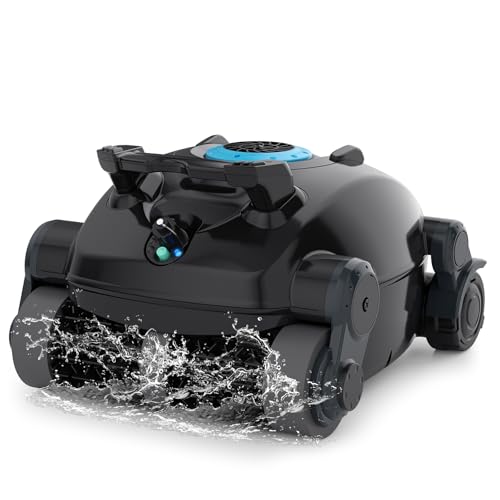
Concrete and gunite pools are durable but porous, making them prone to stubborn stains, algae, and calcium deposits. You need a brush kit that can tackle these challenges without damaging the surface. Whether you’re dealing with rust spots, waterline scale, or algae buildup, the right set of brushes and accessories makes all the difference. In this guide, we’ve evaluated the best pool cleaner brush kit for concrete pools on the market in 2026, covering everything from stainless steel detail brushes to complete cleaning sets. If you also use a robotic cleaner, check out our Best Pool Robot Filter Basket guide for maintaining filtration efficiency.






Buying Guide: What to Look for in a Concrete Pool Brush Kit
Choosing the right brush kit for your concrete pool involves more than just picking the cheapest option. Focus on these key factors to get the best results without damaging your pool’s finish.
Bristle Material: Stainless Steel vs. Nylon
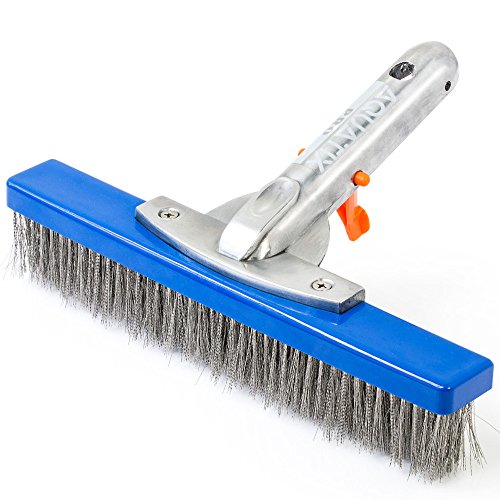
For concrete and gunite surfaces, stainless steel bristles are the gold standard. They easily scrape off algae, rust, and hard water deposits without harming the plaster. Nylon bristles are gentler and safe for vinyl or fiberglass, but they lack the abrasive power needed for tough concrete stains. If your pool has a smooth plaster finish, a mix of both types can be ideal: use a stainless steel brush for heavy scrubbing and a nylon brush for routine cleaning. Products like the Poolmaster 5-Inch Stainless Steel Pool Algae brush are designed specifically for concrete surfaces.
Brush Size and Shape: Detail vs. Wide Coverage
Full-size brushes (18 to 20 inches) cover large wall and floor areas quickly, saving time. But tight corners, steps, and waterline tiles require a smaller detail brush. A quality kit should include both a wide brush for general cleaning and a compact brush (around 5 inches) for precision work. Many of the kits we reviewed offer interchangeable heads, so you can switch between a large scrubbing brush and a smaller stain remover. For example, the Poolvio 5-in-1 Pool Cleaning Kit includes a 20-inch brush and a detachable 360-degree head for corners.
Handle Compatibility and Pole Quality
Most pool brushes attach to standard 1-1/4 inch telescopic poles, but not all poles are created equal. Look for anodized aluminum poles that resist corrosion and extend to at least 9 feet for easy reach across the pool. Some kits include a pole, while others sell the brush head separately. If you already have a good pole, you can save money by buying just the brush heads. For deep cleaning, a sturdy pole prevents flexing and lets you apply consistent pressure. The UIRWAY 4-in-1 Deluxe Swimming Pool Cleaning Kit comes with an adjustable aluminum pole from 2 to 11 feet, making it versatile for both inground and above-ground concrete pools.
Extra Tools: Pumice Stones, Scrapers, and Nets
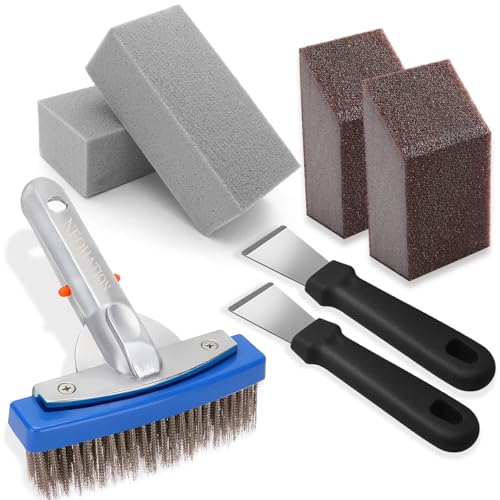
Stubborn calcium deposits and rust stains often require more than just brushing. Many top-rated kits include a pumice stone or scraper for spot treatment. Pumice stones are excellent for removing waterline scale and tile grout stains without scratching plaster. However, never use them on vinyl or fiberglass. A good kit might also include a leaf skimmer or vacuum head for a complete clean. For concrete pool owners, the Pool Pumice Stone and 5 inch Stainless Steel Pool set from NEOHATION is a perfect example of a targeted solution for tough stains.
Final Thoughts
After evaluating the top options, we recommend the Pool Pumice Stone and 5 inch Stainless Steel Pool set for spot treating rust and calcium on concrete surfaces, and the Poolmaster 5-Inch Stainless Steel Pool Algae brush for tackling algae in tight corners and steps. Both are built for durability and deliver the abrasive power needed without damaging your plaster. Pair them with a reliable telescopic pole and a wide brush for daily cleaning, and your concrete pool will stay pristine all season long.
Related Guides
Frequently Asked Questions
What is the best brush for a concrete pool?
Stainless steel bristle brushes are the most effective for concrete and gunite pools. They can remove algae, rust, and calcium without scratching the hard surface. Look for a brush with an aluminum back for durability and a universal pole connection.
Can I use a pumice stone on my plaster pool?
Yes, but only on smooth plaster or tile surfaces. A pumice stone is excellent for removing waterline deposits and stains. Always wet the stone first and rub gently to avoid scratching. Avoid using it on colored plaster or any painted surface.
How often should I brush my concrete pool?
Brushing once a week is recommended to prevent algae buildup and keep stains from setting. In hot weather or after heavy use, increase to twice a week. Focus on walls, steps, and corners where debris collects.
Do I need a special brush for gunite pools?
Not necessarily, but a brush with stainless steel bristles and a sturdy back is ideal. Gunite is very hard, so you need aggressive bristles to dislodge dirt and algae. Avoid nylon brushes for heavy scrubbing as they wear out quickly on rough surfaces.