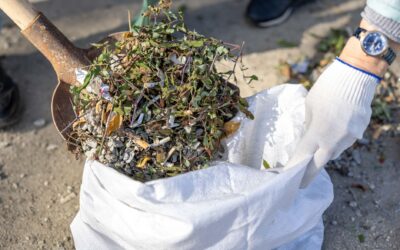
Your pool robot may leave debris behind because of a clogged filter, poor navigation coverage, worn brushes, or water chemistry issues that reduce its cleaning efficiency. These problems are common and usually fixable without replacing the robot. Understanding which cause is affecting your unit will help you get it back to a thorough clean.
Clogged or Dirty Filter
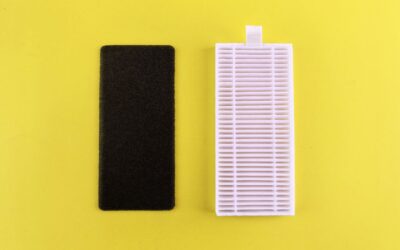
The filter is the first thing to check. If it is full, water cannot flow through properly, and the robot loses suction. Debris that should be trapped gets stirred up and settles back onto the pool floor.
Clean the filter after every use or at least every few cycles, depending on how much debris is in your pool. A clogged filter is the most common reason for poor cleaning performance and the easiest to fix.
Navigation and Coverage Gaps
Your robot relies on its navigation system to cover the entire pool. If the sensors are blocked, the wheels slip, or the cleaning pattern is interrupted, it will miss areas. This often leaves debris in corners or along walls.
Check that the robot’s tracks or wheels are clean and free of tangled hair or debris. Make sure the water level is high enough for the robot to operate properly. If you have questions about how robots move, you can learn more about the mechanics in our guide on how robotic pool cleaners move underwater.
Worn or Damaged Brushes
Brushes scrub the pool surface and direct debris toward the suction intake. Over time, bristles wear down or become misaligned. When this happens, the robot cannot effectively dislodge stuck-on dirt or sweep fine particles into the filter.
Inspect the brushes for wear. If they look flattened, bent, or missing bristles, they need replacement. Proper brush maintenance is essential for consistent cleaning results.
Debris Type and Size Mismatch
Not all robots handle every type of debris equally. Large leaves, twigs, or heavy sediment may be too large for the intake or too heavy for the robot to carry. Fine sand or silt can pass through the filter and be expelled back into the water.
If you consistently have a specific kind of debris, consider whether your robot is designed for that load. Sometimes a pre‑skimming of large debris can help the robot focus on finer particles.
Water Chemistry and Pool Surface Issues
Imbalanced water chemistry can affect how debris behaves. For example, high calcium or algae growth can make surfaces slippery, reducing the robot’s traction. Algae can also clog filters faster than normal debris.
Test your water regularly and keep pH, alkalinity, and sanitizer levels in the recommended range. A clean pool surface helps the robot grip and scrub effectively.
How to Fix It
- Clean or replace the filter after every cleaning cycle.
- Check navigation sensors and wheels for obstructions or damage.
- Inspect brushes for wear and replace them if needed.
- Pre‑skim large debris before running the robot.
- Test and balance your pool water chemistry.
If you suspect a navigation issue, understanding how the robot’s AI works can help. Our article on how AI navigation works in robotic pool cleaners explains the technology that helps robots cover the pool efficiently.
Frequently Asked Questions
How often should I clean my pool robot’s filter?
Clean the filter after every use if your pool has heavy debris, or at least every two to three cycles. A dirty filter significantly reduces suction and cleaning performance.
Why does my pool robot only clean part of the pool?
This usually indicates a navigation issue. Check for tangled debris in the wheels or tracks, and ensure the water level is high enough for the robot to move freely. Sometimes the robot may need a reset if it is stuck in a pattern.
Can debris type affect my pool robot’s performance?
Yes. Large or heavy debris can overwhelm the robot’s intake, while fine particles may pass through the filter. Pre‑skimming large items and choosing a model suited to your typical debris can help.
Does water chemistry affect robotic pool cleaners?
Yes. Imbalanced water can cause algae growth, which makes surfaces slippery and clogs filters faster. Proper water chemistry helps the robot maintain traction and efficiency.
My pool robot leaves debris near the walls, what’s wrong?
Debris left near walls often points to a navigation issue or worn brushes. The robot may not be able to climb the wall properly or its brushes are not reaching the edge. Check the wall‑climbing capability and brush condition.
Closing
Your pool robot leaving debris behind is usually a fixable problem, not a sign you need a new machine. Start with the filter and work through the causes above. For a deeper look at how robots climb walls and clean edges, read our breakdown of how robotic pool cleaners climb walls.