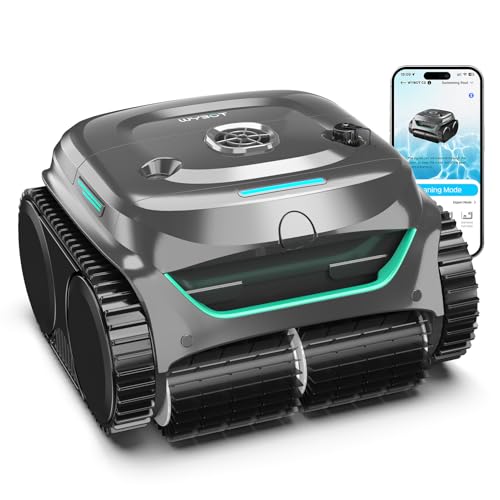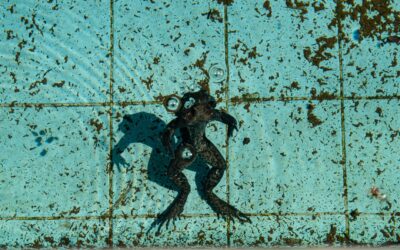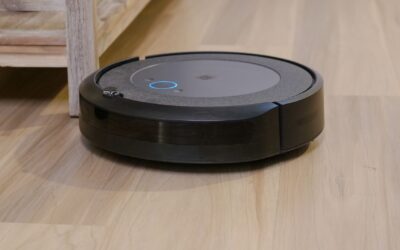
Yes, robotic pool cleaners can remove fine debris, but their effectiveness depends on the filter micron rating, brush type, and navigation pattern. Fine particles like sand, silt, and algae require a filter that captures particles below 100 microns, coupled with brushes that agitate the surface without scattering debris. Without these features, a robot may simply push fine debris around the pool rather than collecting it.

Pros
- Wall-climbing capability ensures thorough cleaning of pool sides and steps.
- Active scrubbing brush reduces manual labor and protects pool surfaces.
- Easy top-load filter access simplifies debris removal and maintenance.
- Quick plug-and-play setup with no complex installation required.
- Suitable for a wide range of pool shapes and sizes up to 33 ft.
Cons
- May not be ideal for very large pools exceeding 33 feet in length.
- Filter may need frequent cleaning in pools with heavy debris like leaves or sand.
- Price point is higher than some basic robotic cleaners, but offers advanced features.
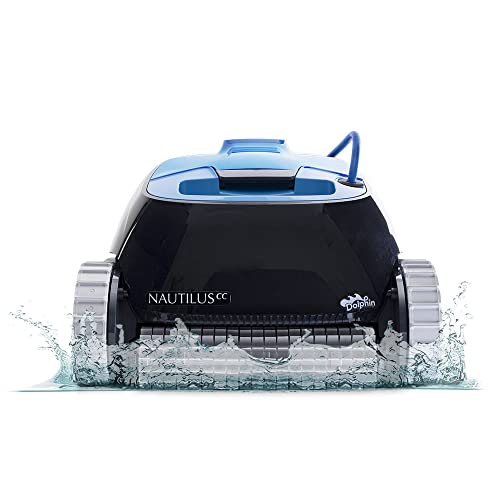
The Dolphin Nautilus CC is a robotic pool cleaner designed to take the hassle out of pool maintenance. It is best suited for owners of above-ground or in-ground pools up to 33 feet in length who want a set-it-and-forget-it solution. With its wall-climbing ability and active scrubbing brush, this unit promises a thorough clean without manual effort.
Standout features include the top-load filter basket, which makes emptying debris quick and mess-free. The plug-and-play system means you can start cleaning in minutes: just plug it in, drop it in the water, and let it run for about two hours. Real-world performance is strong on walls and floors, though heavy debris may require more frequent filter cleaning.
Design-wise, the Nautilus CC is compact and lightweight at under 15 pounds, making it easy to lift in and out of the pool. The blue/black color scheme is standard, and the build quality feels durable. Dolphin has a legacy of reliability, and this model continues that tradition with robust materials and a simple interface.
One potential drawback is that the filter basket, while convenient, can fill up quickly in pools with lots of leaves or sand, requiring attention mid-cycle. Also, the price is higher than entry-level cleaners, but the added wall scrubbing and filter ease justify the cost for many users.
Overall, the Dolphin Nautilus CC is an excellent choice for pool owners who value convenience and effective cleaning. It delivers on its promises with minimal fuss, making it a worthwhile investment for maintaining a sparkling pool. If your pool fits within the size limit and you want to reduce manual work, this cleaner is highly recommended.


Pros
- Wall climbing feature cleans both floors and walls, reducing manual scrubbing.
- Active scrubbing brush provides deep cleaning without damaging pool surfaces.
- Easy top-load filter basket simplifies maintenance.
- Plug and play operation makes it user friendly, no complicated installation.
- Dolphin brand reputation for reliability and performance.
Cons
- Designed for in-ground pools only, not suitable for above-ground pools.
- No remote control or smartphone app for manual direction, relies on autonomous navigation.
- Initial investment may be higher compared to manual pool cleaning tools.
The Dolphin Nautilus CC Plus is a fully automatic robotic pool cleaner specifically engineered for in-ground pools up to 40 feet in length. It is best suited for pool owners who want a hands free cleaning solution that handles both floors and walls with minimal intervention.
Standout features include its active scrubbing brush which combines wall climbing power with a continuous scrub action. This means it loosens and removes stubborn dirt, algae, and debris from pool surfaces without the need for manual brushing. The top load filter basket is another highlight, allowing quick removal of captured debris for consistently clear water.
In real world performance, the plug and play design truly simplifies pool maintenance. Simply connect the power supply, drop the unit into the water, and let it run for about two hours. Its smart navigation ensures thorough coverage even around obstacles and irregular shapes. The build quality reflects Dolphin's40 plus year legacy in pool care, using durable materials to withstand constant submersion and chemical exposure.
One potential drawback is its limitation to in ground pools only, so owners of above ground pools will need a different model. Also, there is no manual remote control, but the autonomous navigation is generally effective. At just over20 pounds, it is easy to lift but may be heavy for some users. Overall, the NautilusCC Plus offers exceptional value for those seeking a reliable, low maintenance robotic cleaner.Final verdict: For in ground pool owners who value convenience and thorough cleaning, the Dolphin Nautilus CC Plus is a top choice. Its wall climbing scrubbing action, easy filter access, and set and forget operation make it a worthwhile investment that saves time and effort.
Brand: Dolphin
Model: Nautilus CC Plus
Color: Black
Dimensions: 16 x 10 x 16 inches
Weight: 20.8 pounds
Compatibility: In ground pools up to 40 feet in length
Cleaning Cycle: Approximately 2 hours
Filtration Micron Rating
The filter’s micron rating determines the smallest particle it can trap. Standard pool robot filters often capture particles down to 150-200 microns, which is enough for leaves and large dirt but not sand or silt. For fine debris, look for a filter rated at 100 microns or lower, ideally 50 microns or less for microscopic particles like algae spores.
Some robots come with pleated cartridge filters that offer finer filtration than standard mesh bags. However, finer filters clog faster, so you may need to clean them more often. The trade-off between filtration fineness and maintenance frequency is a key consideration when choosing a robot for fine debris.
Brush Type and Design
Brushes play a critical role in dislodging fine debris from pool surfaces. Soft brushes are gentle and effective for vinyl and fiberglass pools, but they may not agitate enough to lift embedded silt. Bristle brushes, on the other hand, are better for concrete and gunite surfaces, scrubbing fine particles loose.
Some robots use a combination of brushes or a single brush that sweeps debris into the suction path. The brush design also affects whether fine debris is stirred up and then filtered or simply pushed aside. Robots with counter-rotating brushes tend to be more effective at capturing fine particles.
Navigation and Coverage
Systematic navigation ensures the robot covers the entire pool floor and walls, reducing the chance of missing fine debris. Random navigation may leave patches untouched, so fine particles can accumulate in corners. AI-driven navigation, which maps the pool and follows a logical path, is more reliable for thorough cleaning.
Robots with gyroscopic or lidar navigation can also detect obstacles and adjust their path, ensuring they reach every area. Coverage is especially important for fine debris because these particles settle quickly and can be easily missed if the robot’s path is chaotic.
Pool Surface Type
Smooth surfaces like vinyl or fiberglass are easier for robots to clean, as fine debris is more accessible. Rough surfaces like plaster or pebble can trap fine particles in crevices, making them harder to remove. In such cases, a robot with powerful scrubbing action and fine filtration is essential.
Some robots have adjustable brush pressure or different brush sets for different surfaces. Choosing the right brush for your pool surface can significantly improve fine debris removal.
Debris Type and Size
Fine debris includes sand, silt, dirt, algae, and pollen. Not all robots handle every type equally. Sand may settle quickly and require a strong suction, while algae can be slimy and require both filtration and scrubbing. Some robots are designed specifically for fine debris, while others are general-purpose.
If your pool is prone to algae blooms, you need a robot that can filter out dead algae particles and prevent them from recirculating. A fine filter and a good brush system are crucial for this task.
Maintenance and Filter Cleaning
Even the best filter will lose effectiveness if not cleaned regularly. Fine debris clogs filters faster than larger debris, so you may need to clean the filter after every cycle in heavy debris conditions. Neglecting filter maintenance reduces suction and allows fine particles to be released back into the pool.
Some robots offer self-cleaning filters or indicator lights that remind you to clean. Regardless, regular maintenance is non-negotiable for consistent fine debris removal.
How to Maximize Fine Debris Removal
- Choose a robot with a filter rated at 100 microns or lower for fine particles.
- Select the appropriate brush type for your pool surface (soft for vinyl, bristle for concrete).
- Opt for a robot with systematic, AI-driven navigation to ensure full coverage.
- Clean the filter after each use, especially during heavy debris seasons.
- Consider a robot with adjustable brush pressure if your pool has rough surfaces.
Understanding how navigation affects cleaning can help you choose a robot that covers every inch of your pool. For a deeper dive into how AI navigation improves coverage and fine debris pickup, read our guide on how does AI navigation work in robotic pool cleaners.
Frequently Asked Questions
What is considered fine debris in a pool?
Fine debris includes particles smaller than 200 microns, such as sand, silt, dust, pollen, and dead algae. These particles can cloud the water and settle on surfaces, requiring a robot with fine filtration to remove them effectively.
Can a robotic pool cleaner pick up sand?
Yes, but only if the robot’s filter has a small enough micron rating. Sand grains are typically around 100-200 microns, so a filter rated at 100 microns or lower can capture them. A robot with a coarse mesh bag will likely push sand around rather than collect it.
Do robotic pool cleaners filter out algae?
Robotic pool cleaners can remove dead algae, but they cannot treat live algae blooms. Dead algae particles are very fine, often below 50 microns, so a filter with a high micron rating won’t catch them. You need a filter rated at 50 microns or less for effective algae removal.
How often should I clean the filter for fine debris?
In pools with heavy fine debris, clean the filter after every cleaning cycle. For lighter debris, every two to three cycles may suffice. Monitoring the robot’s suction and water clarity will help you determine the right frequency.
What micron rating is best for fine debris?
A filter rated at 100 microns is good for sand and silt, while 50 microns or lower is better for algae and very fine particles. Some robots offer ultra-fine filters that capture down to 10 microns, but they require more frequent cleaning.
Related Guides
- Best Robot Pool Cleaner Brand
- How Do Robotic Pool Cleaners Map a Pool
- Can Robotic Pool Cleaners Pick Up Acorns
Closing Thoughts
Robotic pool cleaners can remove fine debris, but you need to match the robot’s filtration, brush, and navigation to your specific pool conditions. To understand how a robot’s movement contributes to thorough cleaning, check out our article on How Do Robotic Pool Cleaners Move Underwater? for more insights.