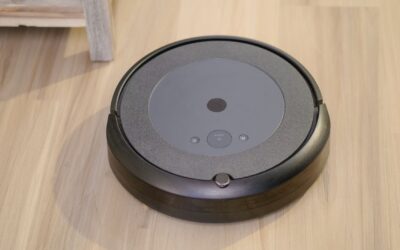
Robotic pool cleaners detect obstacles using a combination of physical bumpers, infrared sensors, sonar, and gyroscopes that work together to map and navigate the pool. These systems allow the robot to sense walls, steps, ladders, and even large debris without human input. The exact setup varies by model, but the core technology relies on real-time feedback from multiple sensors to avoid collisions and ensure complete coverage.
Physical Bumpers and Contact Sensors
The most basic method is a physical bumper that surrounds the robot. When the cleaner bumps into a wall or step, the bumper compresses and triggers a microswitch. The robot then reverses, turns, and changes direction. This is a simple, reliable system that works even in murky water where optical sensors might fail.
Many budget-friendly models rely solely on bumpers. They are durable and require no calibration, but they can cause the robot to pause or backtrack repeatedly near tight corners. Newer robots combine bumpers with other sensors to reduce unnecessary collisions.
Infrared (IR) Sensors
Infrared sensors emit beams of light that bounce off surfaces. By measuring the time it takes for the light to return, the robot calculates distance to an object. These sensors are often placed on the front and sides of the cleaner to detect walls, steps, and obstacles before contact.
IR sensors work well in clear water, but they can be confused by sunlight, algae, or very dark surfaces. Some robots use multiple IR emitters and receivers to create a 3D map of the pool, allowing them to plan efficient cleaning paths without repeated collisions.
Sonar and Ultrasonic Sensors
Sonar (or ultrasonic) sensors send out high-frequency sound waves and listen for the echo. This technology is similar to what submarines use. It works in all water conditions, including cloudy or dirty water, because sound travels well through water regardless of visibility.
Robots with sonar can detect obstacles from a distance, adjust speed, and avoid hard impacts. They are especially useful for navigating around pool steps, ladders, and irregular shapes. Sonar is more expensive than IR, so it appears in higher-end models.
Gyroscopes and Accelerometers
A gyroscope measures orientation and rotation, while an accelerometer tracks changes in speed and direction. Together, they let the robot know exactly where it is in the pool and whether it is climbing a wall or turning on a slope.
These sensors are critical for wall-climbing robots. They detect when the robot has reached the waterline and needs to reverse. Without a gyroscope, a robot might keep climbing out of the water or get stuck on a ledge. Gyroscopes also help the robot maintain a straight cleaning path.
Mapping and Navigation Algorithms
All the sensor data feeds into a central processor that runs a navigation algorithm. The robot builds a mental map of the pool, marking obstacles and cleaning zones. Some robots use random bounce patterns, while others follow a systematic grid or spiral.
Advanced algorithms learn the pool layout over multiple cleaning cycles. They remember where obstacles are and avoid them more efficiently each time. This reduces wear on bumpers and improves cleaning coverage.
How to Optimize Obstacle Detection for Your Robot
While you cannot change the sensors in your robot, you can help it detect obstacles better by maintaining clear water and a clean filter. Here are practical steps to improve your robot’s navigation.
- Keep the pool water clear so infrared and sonar sensors work at their best.
- Clean the robot’s filter after each use to prevent debris from blocking sensor ports.
- Remove large items like toys or leaves before running the robot so it does not get confused.
- Check the bumper and sensor covers for cracks or wear that could interfere with detection.
- Update the robot’s firmware if your model supports it, manufacturers often improve navigation algorithms.
If your robot is still bumping into everything or missing areas, the issue might be deeper. For a step-by-step troubleshooting guide, see why is my pool robot not picking up Debris? 7 common causes and fixes. That post covers sensor problems, clogged filters, and other issues that affect both debris collection and navigation.
Frequently Asked Questions
Do robotic pool cleaners use cameras to detect obstacles?
Some high-end models use cameras for visual mapping, but most rely on infrared, sonar, and bumpers. Cameras provide detailed images but require clear water and good lighting, which is not always available in pools.
Can a robotic pool cleaner get stuck on a drain or step?
Yes, even with sensors, robots can get stuck if the drain cover is raised or the step has a sharp edge. Modern robots use gyroscopes to detect tilt and reverse out, but occasional stucks are possible.
How does a robot know when it has cleaned the whole pool?
Robots with mapping algorithms track which areas they have covered using odometry from wheel rotations and gyroscope data. They then follow a pattern to ensure full coverage. Bounce-mode robots rely on random movement and a long cleaning cycle to cover most areas.
Are obstacle detection sensors waterproof?
Yes, all sensors in a robotic pool cleaner are sealed and waterproof. They are designed to operate fully submerged in chlorinated or saltwater pools without damage. However, seals can degrade over time, so regular inspection is recommended.
Why does my robot sometimes miss walls or steps?
Missed detections are often due to dirty sensors, low battery, or a software glitch. Try cleaning the sensor windows and running a full charge. If the problem persists, the robot may need a firmware update or service.
Related Guides
Closing
Robotic pool cleaners detect obstacles through a combination of bumpers, infrared, sonar, and gyroscopes, each playing a role in smooth navigation. If your robot is struggling, start with the easy fixes like cleaning sensors and checking the filter, then explore the troubleshooting guide linked above for deeper solutions.