
Picture this: you have just finished a thorough cleaning session with your robotic pool cleaner. The device sits on your caddy by the poolside, glistening under the sun. But a nagging question pops into your head: should you leave it exposed or invest in a cover? For any pool owner who wants to maximize the lifespan of their robotic pool cleaner, the choice between using a cover or leaving it uncovered is more than a trivial decision. In this guide, we compare the practical benefits of covering your robot versus the risks of leaving it unprotected, and we highlight the best covers available on the market today to help you decide.
Whether you are a first-time buyer or a seasoned pool maintenance enthusiast, understanding the trade-offs is key. An uncovered robot may suffer from UV damage, dust accumulation, and moisture that can corrode internal components. On the other hand, a properly fitting cover shields your investment from sun, rain, wind, and even bird droppings. If you are still weighing the convenience of a caddy versus no caddy, our comparison on robotic pool cleaner caddy vs no caddy offers additional insight.


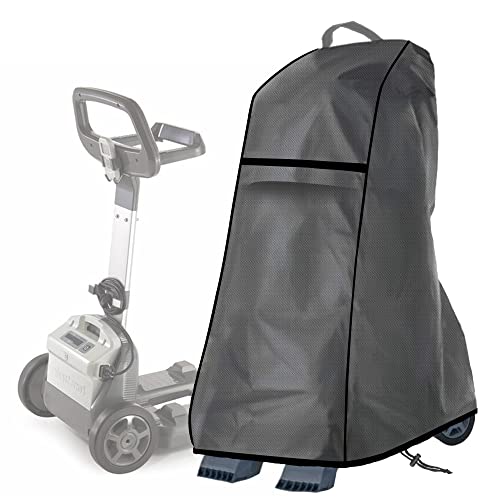


Buying Guide: How to Choose the Right Cover for Your Robotic Pool Cleaner
Selecting the perfect cover goes beyond simply tossing any waterproof bag over your pool robot. The following key criteria will help you find a cover that offers genuine protection and convenience for your specific model.
Material Quality and Weather Resistance
The material of the cover determines how well it defends against the elements. Options range from 420D polyester (used by brands like Aacabo) to heavy-duty 600D polyester with a PVC coating (as seen in the Le maple bleu cover). For south-facing pools that catch strong sun, UV resistance is critical. Vents that prevent moisture buildup also extend the life of the cover and your robot. A 420D or 600D fabric with a waterproof undercoating offers dependable protection without adding bulk.
Consider your local climate. If you experience heavy rain or snow, a cover with a laminated coating and taped seams is essential. For desert areas with high winds, look for covers with tough fabric and a tight drawstring to keep the cover from blowing away.
Fit and Compatibility
A loose cover can flap in the wind, allowing debris to sneak inside, while an overly tight cover might strain seams and leave gaps. Most generic covers, like the Aacabo models, are designed for most brands. However, brand-specific options such as the Polaris or Dolphin covers guarantee a snug fit. Always measure your robot’s width, length, and height before purchasing. For example, the Protective Cover for Cordless Robotic Pool Cleaner by Keyrank lists exact dimensions and suggests choosing a slightly larger size for a comfortable fit.
If you already own a Dolphin or Polaris caddy, the custom covers from those brands will align perfectly with integrated caddy handles and control panels. For more on caddy compatibility, read our analysis on dolphin caddy vs universal caddy.
Additional Features: Storage Pockets, Handles, and Ventilation
Small extras can make a big difference. The Aacabo cover includes a front storage bag for cables and accessories, while the Dolphin Premium Universal Pool Cleaner Caddy Cover has a convenient handle sleeve so you can move the covered robot easily. Air vents are present on many covers, including the Dolphin Classic Caddy Cover and the Aacabo models, which reduce condensation and corrosion. A zipper opening on the Le maple bleu cover provides quick access without removing the entire cover. These thoughtful details elevate a simple cover into a truly useful accessory.
Wind resistance is another practical feature. Drawstring closures, such as those on the Aacabo covers, allow you to cinch the cover tightly around the robot, preventing it from being dislodged during storms. If you store your robot on a caddy that rolls around, look for a cover that stays in place even when you move the caddy.
Finally, consider reviews that highlight durability over time. While no cover lasts forever, investing in a well-made product pays off. For more on maintaining your pool robot’s condition, explore our accessories category.
Final Thoughts
Choosing between a cover and no cover for your robotic pool cleaner ultimately comes down to how much you value long-term protection versus short-term convenience. A quality cover shields your robot from harmful UV rays, debris, and moisture, extending its operational life and saving you from costly repairs. After evaluating the top options, we recommend the Aacabo Caddy Cover,Robotic Pool Cleaner Cover for its durable 420D construction and affordable design, ideal for budget-conscious owners, and the Dolphin Premium Universal Pool Cleaner Caddy Cover for its custom fit on Dolphin caddies and high-quality vinyl that withstands any weather. Whichever you choose, you are making a smart investment that keeps your pool robot performing at its best year after year.
Related Guides
- Top Robotic Pool Cleaners for Pollen in 2026
- How Do Robotic Pool Cleaners Map a Pool
- Can Robotic Pool Cleaners Pick Up Acorns
Frequently Asked Questions
Is it necessary to cover my robotic pool cleaner when it is not in use?
While not strictly required, covering your robot greatly reduces exposure to sun, dust, and rain, which can degrade plastic parts and electronics over time. In 2026, covers are more affordable than ever, making them a wise preventive measure.
Can a cover prevent damage from high winds and storms?
Yes, a well-fitting cover with a drawstring closure helps secure the robot on its caddy, preventing it from being knocked over or blown away. Models like the Aacabo cover are explicitly designed with wind resistance in mind.
Will a cover cause moisture or mold to build up inside?
Quality covers include air vents that allow airflow and prevent condensation. Both the Dolphin Classic and Premium covers, as well as the Aacabo models, feature ventilation to keep the interior dry. Always allow the robot to dry briefly before covering to avoid trapping wetness.
How do I know which size cover to buy for my robotic pool cleaner?
Measure your robot’s length, width, and height, and compare with the cover’s listed dimensions. Many covers, such as those from Keyrank, provide exact measurements. For a safe fit, choose a cover slightly larger than your robot. If you use a caddy, ensure the cover fits over both the robot and the caddy without straining.
For further guidance on selecting the best storage setup, read our comparison on universal vs OEM pool cleaner caddy.