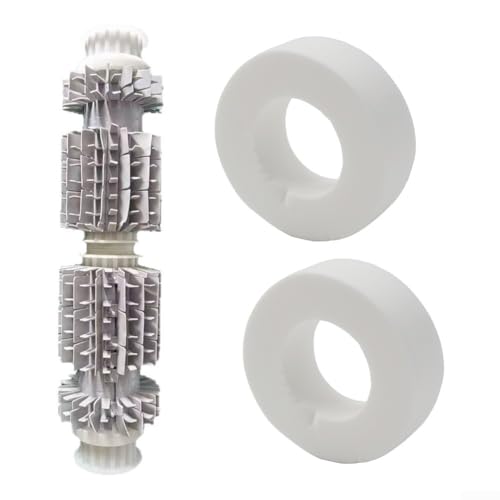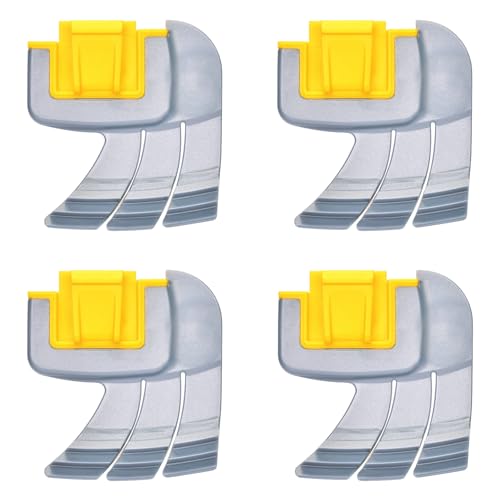
If your pool has rough surfaces such as concrete, gunite, or plaster, you know that standard brushes just don’t cut it. Algae, calcium deposits, and stubborn stains cling to these textured walls and floors, requiring a brush with serious scrubbing power. Whether you are maintaining an in-ground pool or dealing with heavy buildup, the right replacement brush can make all the difference. In this guide, we review the best replacement brushes for rough pool surfaces, focusing on durability, bristle strength, and ease of use. We’ve evaluated options from top brands like Sepetrel, POOLAZA, and 440 to help you choose the right tool for your pool. For more on specific pool types, check out our guide on best replacement brushes for gunite pools.


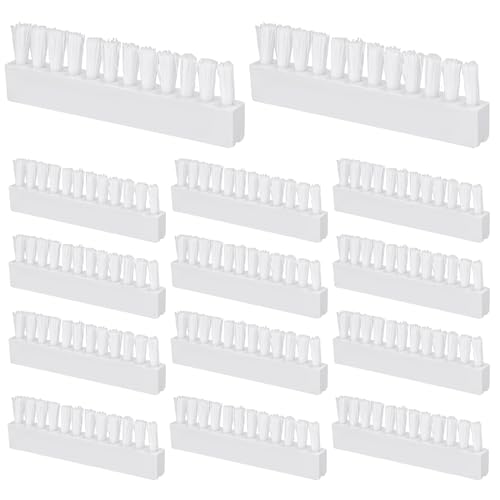
Buying Guide: What to Look for in a Replacement Brush for Rough Pool Surfaces
Bristle Material: Stainless Steel vs. Nylon
For rough pool surfaces like concrete and gunite, bristle material is critical. Stainless steel bristles, as seen in the 440 Heavy-Duty 18-Inch Stainless Steel Pool Brush, deliver aggressive scrubbing power that removes calcium buildup and rust stains effectively. However, they are not safe for vinyl liners or fiberglass. Nylon bristles, like those on the POOLAZA 17.5″ Pool Brush Head, are gentler but still tough enough for most rough surfaces if you need versatility. Choose based on your pool’s specific finish.
Brush Width and Shape
A wider brush head covers more area per stroke, saving time on large pools. Models like the 17.5-Inch Curved Pro Pool Brush Head and the TidyMister 20″ 2 in 1 Pool Brush Head offer extra width. Curved ends are a game-changer for corners and steps, ensuring you don’t miss spots. For concrete pools, a wider brush also distributes pressure evenly, reducing fatigue.
Compatibility with Your Pool Surface
Not all brushes are suitable for every surface. Stainless steel brushes are ideal for concrete and gunite but can scratch fiberglass or vinyl. The Sepetrel 17.5-Inch Hemispherical Pool Brush Head uses aluminum and nylon, making it safe for all surfaces while still effective on rough textures. Always confirm the manufacturer’s recommendations before purchasing. For more on surface-specific options, see our best replacement brushes for concrete pools.
Ease of Attachment and Ergonomics
Look for brushes with an EZ-Clip or similar mechanism that prevents pinched fingers during attachment. Most models fit standard 1-1/4 inch poles. An angled handle, like the 45-degree design on the Sepetrel 17.5-Inch Curved Pro, keeps the brush in an ideal position for pushing without strain. Lightweight construction, such as the aluminum back on many top picks, reduces fatigue during long cleaning sessions.
Final Thoughts
Choosing the best replacement brush for rough pool surfaces comes down to matching bristle strength with your pool’s finish. For heavy-duty scrubbing on concrete or gunite, the 440 Heavy-Duty 18-Inch Stainless Steel Pool Brush is a powerhouse that removes tough stains and buildup efficiently. If you need a versatile brush that works on all surfaces including rough textures, the 17.5-Inch Curved Pro Pool Brush Head offers a durable aluminum design with curved edges for corners. Both options deliver the durability and performance required for maintaining a clean, inviting pool year-round.
Related Guides
- Best Pool Robot Replacement Brush for Algae in 2026
- Replacements for Sparkling Water in 2026
- 5 Top Replacement Tracks for Pool Robot in 2026
Frequently Asked Questions
What type of brush is best for rough pool surfaces?
For rough surfaces like concrete and gunite, a brush with stainless steel bristles is most effective at removing calcium deposits and algae. The 440 Heavy-Duty 18-Inch Stainless Steel Pool Brush is a top choice. For a gentler option that still works on rough textures, look for high-density nylon bristles with a sturdy backing.
Can I use a stainless steel brush on a vinyl liner?
No, stainless steel brushes are not safe for vinyl liners or fiberglass surfaces. They can cause scratches and damage. Stick to nylon or soft bristle brushes for those pool types. For rough pool surfaces that are concrete or plaster, stainless steel is ideal.
How often should I replace my pool brush?
Replace your pool brush when bristles become frayed, bent, or lose their stiffness. For heavy use on rough surfaces, this may be every season or two. Signs of wear include reduced scrubbing power and visible damage. Regular inspection ensures effective cleaning and prevents scratching.
Do I need a curved brush for corners?
Yes, curved brushes are excellent for reaching corners and steps where debris accumulates. Many top picks like the 17.5-Inch Curved Pro Pool Brush Head feature curved ends that conform to angles without damaging liners. This design saves time and ensures a thorough clean. For more accessories, visit our accessories category.