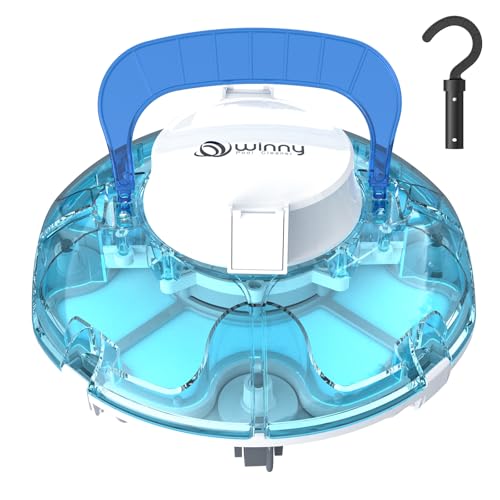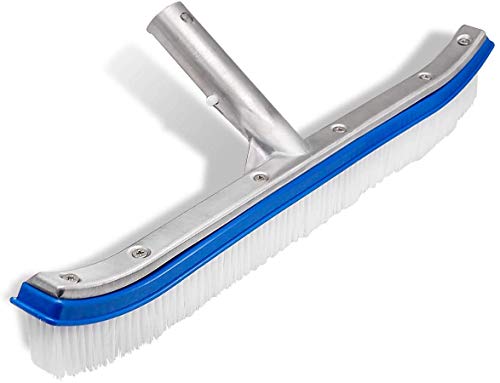
Nothing mars the look of a pristine inground pool faster than a stubborn ring of calcium, scum, and oil along the tile line. You scrub, you scrape, but that white crust or greasy film keeps coming back. Whether you are dealing with hard water deposits, sunscreen buildup, or just everyday grime, finding the right tool or cleaner makes all the difference. In this guide, we have gathered nine top-rated products specifically designed to tackle tile line messes on inground pools. From natural pumice stones to spray-and-wipe chemical formulas, these picks cover every cleaning style and surface type. If you prefer a robotic solution, check out our roundup of the best inground pool cleaners with waterline scrubbing for automated maintenance.



Pros
- Fast and easy application with minimal scrubbing
- Works on a wide variety of pool surfaces
- Acid-free formula is gentle on delicate materials
- Effectively removes oily residues and sunscreen
- Comes with a Magic Sponge for convenience
Cons
- Does not remove calcium or hard water buildup
- Not suitable for printed or painted surfaces
- May require testing in an inconspicuous area before full use
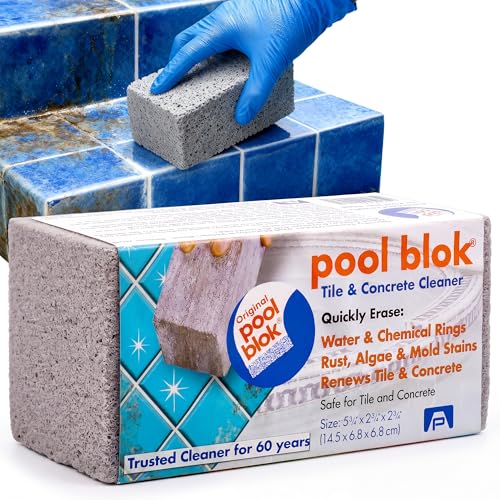
The STAR BRITE Home Pool Waterline Cleaner Scum Remover is a fast-acting, acid-free spray designed to tackle dirt, scum, and oily residues along pool waterlines, steps, and shelves. It is ideal for pool owners who want a non-abrasive cleaner that works on multiple surfaces such as tile, vinyl, plaster, fiberglass, and plastic.
Its standout feature is the quick 30-second soak time: simply spray the affected area, let it sit, then wipe clean with a scrub pad or the included Magic Sponge. This makes pool maintenance less labor-intensive, especially for removing sunscreen buildup and oily scum that standard cleaners struggle with.
The formula is acid-free, which means it is safe for delicate surfaces but will not remove calcium deposits or hard water stains. For those issues, an acid-based cleaner is recommended. The product is also not intended for painted or ink printed surfaces, such as printed vinyl liners or decals, so always test in an inconspicuous area first.
Build quality is solid with a 32 oz spray bottle that delivers adequate coverage for most residential pools. The instructions are clear, and the included sponge adds value. However, the limitation on printed surfaces and the inability to handle hard water buildup are honest drawbacks to consider.
Overall, the STAR BRITE Waterline Cleaner is a reliable choice for routine scum removal on compatible surfaces. It offers convenience and effective results for pool owners who need a gentle yet powerful cleaner, as long as they are aware of its restrictions.
Brand: STAR BRITE
Product: Home Pool Waterline Cleaner Scum Remover
Size: 32 oz
Dimensions: 4.75 x 3.25 x 11.25 inches
Weight: 2.52 pounds
Category: Pool Stain Removers
Surface Compatibility: Tile, vinyl, plaster, fiberglass, plastic, polyester liners, PVC
Buying Guide: What to Look for in an Inground Pool Tile Line Cleaner
Type of Cleaner: Abrasive vs. Chemical
Your first decision is whether to scrub physically or dissolve chemically. Pumice stones and stainless steel brushes physically abrade calcium and rust without adding chemicals to the water. They are ideal for tough, thick deposits on tile, grout, and plaster. Chemical sprays like the Guardian Pool & Tile Cleaner break down buildup on contact, saving you elbow grease. However, some chemicals are not safe for all surfaces, so always read the label. For a balanced approach, many pool owners use both: scrape heavy deposits with a pumice stone, then follow up with a chemical cleaner for a polished finish.
Surface Compatibility
Not every cleaner works on every pool surface. Pumice stones are safe on ceramic tile, concrete, and gunite but can scratch fiberglass, vinyl, and chrome. Chemical cleaners vary: some are gentle on tile and glass, while others may damage printed vinyl liners or natural stone. Always check the manufacturer’s recommendations and test on a hidden area first. If you have a vinyl liner pool, consider a dedicated cleaner like the In The Swim Super Pool Tile and Vinyl Cleaner, which is formulated for vinyl surfaces.
Ease of Application
Some products are ready to use right out of the bottle, while others require attaching to a pole or mixing. Spray-on cleaners like Jack’s Magic Power Blue let you apply and brush off quickly. Pumice stones and brushes often come with EZ-Clip handles that attach to standard pool poles, making it easy to reach the waterline without bending. For spot cleaning, handheld pumice stones give you precision. Think about how much time you want to spend and whether you prefer a no-scrub solution or don’t mind a little manual effort.
Effectiveness on Stubborn Calcium
If your pool has heavy calcium scale, a mild cleaner may not cut it. Look for products specifically labeled as calcium removers or descalers. Pumice stones are excellent for chipping away thick deposits without chemicals. For embedded scale that scrubbing misses, a non-abrasive chemical like Guardian can be applied weekly until the deposit dissolves. For a comprehensive approach, combine tools: start with a scraper, then use a pumice stone, and finish with a tile cleaner. This layered method is recommended by several product brands and works well for severe buildup.
For more on maintaining all pool surfaces, see our guide on the best inground pool cleaner for floor, walls, and waterline.
Final Thoughts
After evaluating these nine products, we recommend keeping two tools in your arsenal: a chemical spray for regular maintenance and a pumice stone for tough calcium spots. For a quick, no-scrub solution, the Guardian Pool & Tile Cleaner, 1 Quart works wonders on scum lines and light scale without damaging tile. When you need heavy-duty scrubbing power, the Pool Pumice Stone and Scraper Set with EZ Clip is an affordable, versatile tool that floats and fits your pole. Together, they cover every tile line challenge your inground pool can throw at you.
Related Guides
- Top Polaris Pool Robots for Inground Pools in 2026
- Inground Pool Vacuum Black Friday Deals 2026
- Robotic Inground Pool Cleaner Black Friday Deals in 2026
Frequently Asked Questions
How do I remove calcium deposits from pool tile without damaging the grout?
Use a pumice stone designed for pool tile, like the Pumie 2-Pack, with gentle pressure. Wet the stone and rub the deposit in a circular motion. Avoid aggressive scraping, and always test on a small area first. For grout, a chemical cleaner that is safe for grout may be a better option.
Can I use a pumice stone on fiberglass or vinyl pool surfaces?
No, pumice stones are abrasive and can scratch fiberglass, vinyl, and chrome. Stick to chemical cleaners or soft scrub pads for those surfaces. For vinyl liners, products like In The Swim Super Pool Tile and Vinyl Cleaner are formulated to be safe.
What is the best way to clean the waterline of an inground pool in 2026?
Start by spraying a waterline cleaner like Jack’s Magic Power Blue onto the tile, let it sit for a few minutes, then scrub with a soft brush or sponge. For stubborn calcium, use a pumice stone or scraper. For automated cleaning, consider a robotic cleaner that targets the waterline; see our picks for best waterline robotic cleaners for inground pools.
How often should I clean my pool tile line?
It depends on your pool’s water chemistry and usage. As a general rule, check the tile line weekly and clean as soon as you see buildup. Regular maintenance with a spray-on cleaner every two weeks can prevent heavy scale from forming.