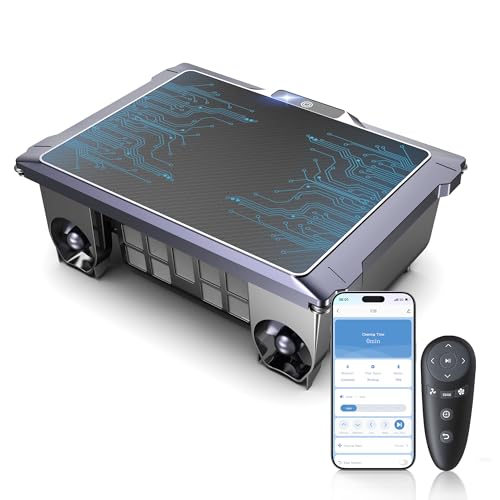
Robotic pool cleaners work as self-contained, programmable devices that navigate your pool’s floor, walls, and waterline, scrubbing debris and filtering the water through their own cartridge or bag system. Unlike pressure or suction side cleaners that rely on your pool pump and filter, a robotic unit runs on low voltage power from a transformer, using internal motors to drive tracks or wheels and a dedicated pump to pull water through fine mesh filters. This independence means it cleans without taxing your main equipment, often capturing particles as small as two microns, leaving the water clearer than a standard pool filter alone can achieve.


Pros
- Powerful triple-motor suction captures a wide range of debris
- Long battery life delivers up to 125 minutes of cleaning
- App control with scheduling and real-time monitoring
- Smooth navigation over obstacles like drains and seams
- OTA updates ensure the vacuum stays optimized over time
Cons
- No user reviews yet, so real-world performance is unconfirmed
- At 19 pounds, it may be heavier than some competitors
- Battery life may decrease with frequent use over time
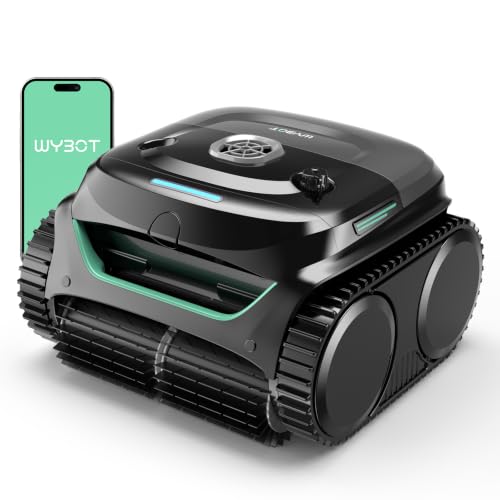
The WYBOT B1 is a cordless robotic pool vacuum designed for above-ground or in-ground pools up to 1,220 square feet. It targets pool owners who want a hassle-free cleaning solution without the tether of a cord. With a powerful triple-motor system and six-roller brush, it promises strong suction and smooth navigation.
Standout features include intelligent cleaning modes for floor, wall, waterline, and combination cycles, adapting to various pool shapes. The extended runtime of up to 125 minutes allows thorough cleaning in one session, while the quick clean mode handles routine maintenance in just one hour. The WYBOT app provides convenient control and scheduling, plus OTA updates keep the software current.
The vacuum sports a Luxury Black finish with dimensions 16 x 12 x 17 inches and weighs 19 pounds. Its roller brush design improves traction on drains and uneven surfaces, reducing the chance of getting stuck. The build appears robust, though the weight may make it less portable for some users.
A potential drawback is the absence of user reviews, so independent validation of performance is lacking. Also, the battery is not user-replaceable, and long-term durability remains to be seen. However, the feature set is competitive for its price point.
Overall, the WYBOT B1 offers a compelling combination of cordless convenience, smart features, and powerful cleaning. If you have a medium to large pool and value app control and OTA updates, this robotic vacuum is worth considering.
Pros
- Long 180-minute runtime covers large inground pools efficiently.
- Smart navigation minimizes missed areas for thorough cleaning.
- Powerful dual filtration leaves water crystal clear after each cycle.
- Cordless design eliminates tangling cables and simplifies operation.
- Effective wall climbing ensures a complete clean from floor to waterline.
Cons
- No user reviews yet to confirm long-term reliability and performance.
- At 24 pounds, lifting the unit from the pool may be cumbersome for some users.
- Bluetooth connectivity is required for smart features, which may not suit all preferences.
The Wybot C2 is a cordless robotic pool vacuum designed for inground pools, offering a smart, hands-free cleaning experience. With Bluetooth control and intelligent navigation, it is perfect for pool owners who want to save time and effort while maintaining a spotless pool.
Standout features include a gyroscope-guided navigation system that covers up to 2,152 square feet per cycle, ensuring no area is missed. The dual filtration system combines a 10-micron ultra-fine filter and a 180-micron primary filter to capture everything from fine sand to leaves. Three brushless motors provide strong suction for deep cleaning, and the unit climbs walls and steps effectively.
Design and build quality are solid: the glossy black finish is sleek, and the 24-pound weight is manageable for most users. The robot automatically docks at the pool edge when the battery is low, making retrieval easy. It offers seven cleaning modes to adapt to different pool conditions, adding versatility.
Drawbacks include the lack of user reviews, so long-term reliability is unconfirmed. The 24-pound weight may be heavy for some, and Bluetooth connectivity is required for the smart features, which could be a limitation if you prefer a fully autonomous operation without a phone app.
Verdict: The Wybot C2 is a promising cordless pool cleaner with advanced navigation and powerful cleaning capabilities. It is well-suited for inground pools up to 2,152 square feet. While it has minor drawbacks, its features and performance make it a strong contender in the robotic pool cleaner market.
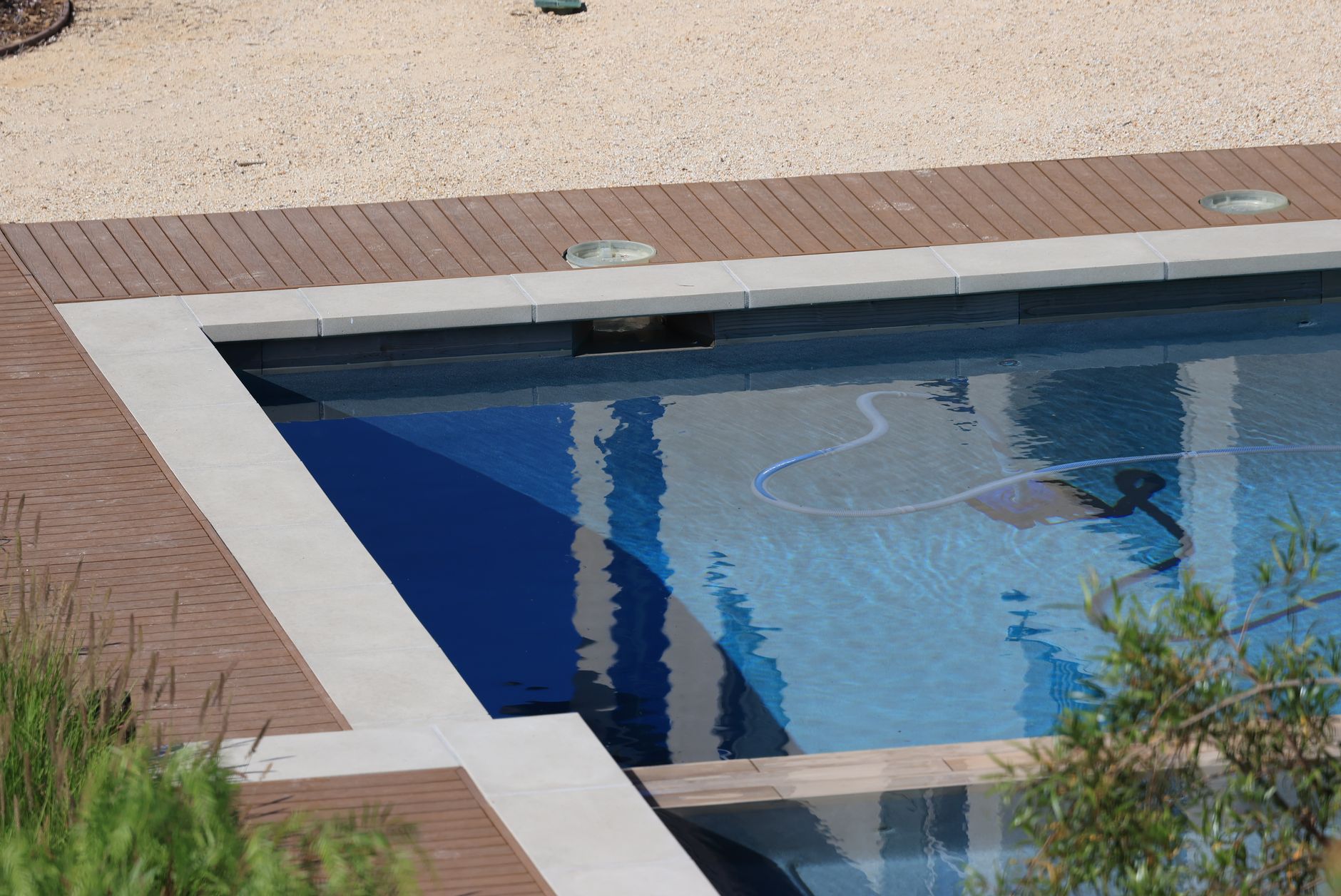
The Core Components That Make Robotic Pool Cleaners Work
Understanding how robotic pool cleaners work starts with their key parts. Every unit has a power supply that converts household AC to low voltage DC, a motor assembly for both drive and suction, and a filtration system that traps debris.
The drive motors spin tracks or wheels that let the cleaner climb walls and traverse steps. The suction motor pulls water through intake vents, directing it into the filter before returning it to the pool. Together, these components create a closed loop that moves, scrubs, and filters simultaneously.
Navigation Systems: How Robotic Pool Cleaners Work Without Getting Stuck
One of the most impressive aspects of how robotic pool cleaners work is their ability to systematically cover your entire pool. Early models used random bump and turn patterns, but modern units employ gyroscopic sensors, accelerometers, or even sonar to map the pool’s shape and track where they have already cleaned.
This smart navigation means the cleaner learns the dimensions of your pool on its first run and then creates a logical cleaning pattern. It can handle obstacles like drains, ladders, and light niches by sensing proximity and adjusting its path, reducing the chance of tangling or getting stuck on a single spot.
Filtration: The Real Reason Robotic Pool Cleaners Work So Well
How robotic pool cleaners work to improve water clarity comes down to their filtration. Instead of relying on your pool’s sand, DE, or cartridge filter, which often misses fine particles, robotic cleaners use a high surface area filter bag or cartridge inside the unit itself.
Water is pulled in through scrub brushes at the bottom, passes through the filter media, and is returned clean to the pool. This captures everything from leaves and twigs to algae spores and pollen, often down to two microns. You simply empty the filter after each cycle and rinse it off, keeping the debris out of your main system.
Scrubbing Brushes: How Tracks and Brushes Work Together
The physical scrubbing action is another critical part of how robotic pool cleaners work. Most units have two or more rotating or stationary brushes that agitate the pool surface, loosening stuck on dirt, algae, and calcium deposits.
Brush types vary. Some use hard nylon for concrete and plaster pools, while others have softer rubber brushes for vinyl liners or fiberglass. The tracks or wheels then push the loosened debris toward the intake, where it gets sucked into the filter. This combination of mechanical scrubbing and suction is far more thorough than relying on water flow alone.
Programming and Scheduling: How Robotic Pool Cleaners Work on a Timer
Another feature that explains how robotic pool cleaners work for busy owners is their programmability. Most models include a control panel on the power supply where you can set a cleaning schedule, choose a cycle length (usually one to three hours), and select a cleaning mode such as floor only or full coverage including walls.
Some advanced units offer smartphone connectivity, letting you start, stop, or monitor the cleaner from anywhere. Once programmed, the unit runs automatically at the same time each day, keeping your pool consistently clean without you having to remember to turn it on.
How to Get the Most Out of Your Robotic Pool Cleaner
To maximize how well your robotic pool cleaner works, follow these practical steps based on the components and systems described above.
- Empty the filter cartridge or bag after every cycle to maintain suction and prevent clogs.
- Check and clean the brushes regularly, especially if you notice reduced scrubbing on walls.
- Ensure the power supply transformer is placed in a weather protected area, away from direct rain.
- Run the cleaner on a consistent schedule to prevent debris buildup between cycles.
- Inspect the cable for kinks or cuts that could disrupt navigation or cause electrical issues.
If you are still deciding whether a robotic cleaner is right for your pool, the Blog offers deeper insights into different types and features that can help you choose the best model for your specific pool size and shape.
Frequently Asked Questions
Do robotic pool cleaners work on above ground pools?
Yes, many robotic pool cleaners are designed specifically for above ground pools. They require a low voltage power source nearby and typically have a shorter cable than in ground models. Always check the manufacturer’s specifications for pool type compatibility before purchasing.
How long does a robotic pool cleaner last?
With proper maintenance, a robotic pool cleaner typically lasts three to five years. The most common failure points are the drive motors, cable connections, and filter seals. Regular cleaning of brushes and filters can extend its lifespan significantly.
Can a robotic pool cleaner climb stairs or handle steps?
Most modern robotic pool cleaners can climb gradual stairs and shallow steps, but they may struggle with steep or narrow steps. Look for models with continuous track drive and high torque motors if your pool has complex step configurations.
Do robotic pool cleaners work without the pool pump running?
Yes, that is one of their main advantages. Robotic pool cleaners are completely self contained and do not require your pool’s main circulation pump or filter to operate. They plug into a standard outlet and run independently, which also reduces strain on your primary equipment.
Related Guides
- How Does a Cordless Robotic Pool Cleaner Work
- How Do Robotic Pool Cleaners Map a Pool
- Best Liner Safe Robotic Pool Cleaners of 2026
Final Thoughts
Robotic pool cleaners work by combining smart navigation, dedicated motors, fine filtration, and scrubbing brushes into a single, self contained unit that cleans your pool without relying on your main system. For a deeper look at specific models and how they compare, visit the Blog for detailed guides and recommendations.