Robotic pool cleaner filters typically last between several months and a couple of years, depending on how often you use the cleaner, the type of debris in your pool, and how well you maintain the filter. The lifespan of a robotic pool cleaner filter is not a fixed number because it varies so much with pool conditions and cleaning habits. Understanding the factors that affect filter life will help you get the most out of your filter and avoid unexpected breakdowns.
Frequency of Use and Filter Lifespan
If you run your robotic pool cleaner daily during swim season, the filter naturally accumulates more debris and wears out faster than if you run it a few times a week. The question of how long do robotic pool cleaner filters last is closely tied to the total runtime the filter has seen. A filter used for a few hours each day might need replacement in a few months, while a filter on a seasonal pool that runs only weekly could last a year or more.
Heavy use also means more frequent cleaning cycles for the filter itself, which can accelerate wear on the filter media. Over time, the fibers or mesh degrade, reducing filtration efficiency.
The Type of Debris in Your Pool
Fine debris like sand, silt, or algae spores will clog filter pores more quickly than larger debris such as leaves or twigs. When fine particles embed deeply into the filter material, they become harder to rinse out completely, leading to permanent clogging and reduced lifespan.
If your pool is surrounded by trees that drop leaves, the filter may handle larger debris but still require frequent emptying. The physical abrasion from sand and grit can also wear down the filter fabric over time.
How Frequently You Clean the Filter
Cleaning your robotic pool cleaner filter after each use or every few cycles is the single most effective way to extend its life. A clogged filter makes the motor work harder, which can cause mechanical stress and reduce overall filter lifespan. Regular cleaning prevents debris from compacting into the filter material.
Neglecting to clean the filter can lead to cracks or tears from the pressure buildup. On the other hand, over cleaning with aggressive methods like a high pressure hose or harsh chemicals can also shorten filter life.
The Filter Material and Design
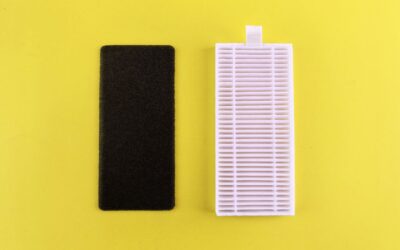
Robotic pool cleaners use various filter types: pleated cartridges, mesh bags, foam panels, or a combination. Pleated cartridges generally offer a longer lifespan because they have a larger surface area and are made of durable polyester. Mesh bags can be more prone to tearing if not handled carefully, while foam filters may degrade faster in harsh sunlight or chlorinated water.
The design of the filter housing also matters. Some cleaners have a single large filter, while others use multiple smaller ones. A well sealed filter compartment prevents debris bypass, which can reduce the load on the filter and extend its life.
Your Pool’s Water Chemistry
Imbalanced water chemistry, especially high chlorine levels or low pH, can degrade filter materials over time. Chlorine is a strong oxidizer that can weaken polyester fibers and cause foam to become brittle. Maintaining proper chemical balance not only protects your pool but also helps your robotic pool cleaner filter last longer.
High calcium hardness can leave scale deposits on the filter, reducing its effectiveness and requiring more aggressive cleaning that may damage the material. Regularly testing and adjusting your pool water will prevent these issues.
How to Extend the Life of Your Robotic Pool Cleaner Filter
- Clean the filter after every use or at least every few cleaning cycles to prevent clogging.
- Rinse the filter with a gentle garden hose spray, avoiding high pressure that can damage the material.
- Inspect the filter regularly for tears, holes, or frayed edges and replace it immediately if damaged.
- Store your robotic pool cleaner and its filter out of direct sunlight and extreme temperatures when not in use.
- Balance your pool’s water chemistry to avoid chemical damage to the filter material.
- Consider using a fine filter cartridge for pools with fine debris to reduce wear from clogging.
If you want to learn more about how robotic pool cleaners operate and how to maintain them, explore our blog articles on robotic pool cleaner maintenance for further tips.
Related Guides
- Best Robot Pool Cleaner Brand
- How Do Robotic Pool Cleaners Map a Pool
- Can Robotic Pool Cleaners Pick Up Acorns
Frequently Asked Questions
How often should I clean my robotic pool cleaner filter?
You should clean your robotic pool cleaner filter after every use if your pool has heavy debris, or at least every two to three cleaning cycles for lighter debris. Regular cleaning prevents buildup and maintains suction power.
Can I wash my robotic pool cleaner filter in a dishwasher?
No, dishwashers use high heat and strong detergents that can damage the filter material. Always hand rinse with a garden hose and mild soap if needed, then air dry completely before reuse.
What are the signs that my robotic pool cleaner filter needs replacement?
Visible tears, holes, or permanent discoloration indicate the filter is worn out. If the filter no longer rinses clean or the cleaner leaves debris behind despite proper cleaning, it’s time for a new filter.
Do different robotic pool cleaner filter types last different lengths of time?
Yes, pleated cartridge filters typically last longer than mesh bags or foam filters because they have more surface area and are made from durable materials. Mesh bags may need replacement more often if they handle abrasive debris.
Can I use a third party filter in my robotic pool cleaner?
Third party filters may fit but often have different material quality and dimensions. Using an incompatible filter can reduce performance or damage the cleaner. It’s best to use the manufacturer recommended filter for your model.
The lifespan of a robotic pool cleaner filter depends on your usage, debris, and maintenance habits, but with proper care you can expect several months to a year or more of effective service. For more detailed guidance on robotic pool cleaner care, browse our blog collection of maintenance articles.