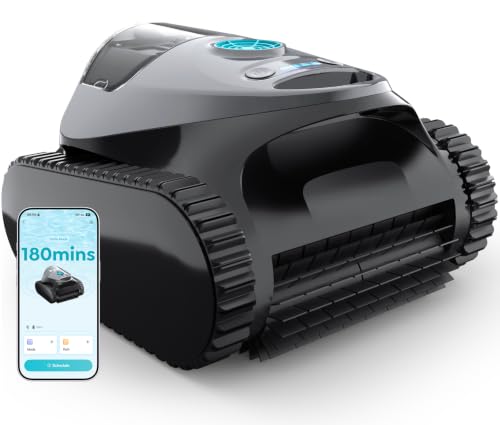
Your Hayward TigerShark has been a reliable pool workhorse for seasons, but lately, you’ve noticed it moving slower, stopping mid-cycle, or leaving debris behind. Before you shell out for a brand-new robot, it’s worth investigating the motor, the heart of the machine. A failing motor is often the culprit, and replacing it can breathe new life into your cleaner at a fraction of the cost. This guide focuses on the Hayward TigerShark motor, covering replacement units and full-robot upgrades to help you decide the best path forward.
We’ve evaluated the top motor options and complete robotic cleaners to give you a clear picture. Whether you’re handy with a screwdriver or prefer a plug-and-play upgrade, we’ve got you covered. Let’s dive into the details so you can make an informed choice for your inground pool.


Buying Guide: Choosing the Right TigerShark Motor or Upgrade
When your TigerShark starts acting up, you have two main routes: replace the motor or upgrade to a newer model. Each has its merits, and the right choice depends on your budget, the age of your cleaner, and your pool’s needs. Here are the key factors to weigh before making a purchase.
Motor Compatibility and Fit
First and foremost, ensure the replacement motor is compatible with your specific TigerShark model. For instance, the Hayward RCX41000DC 7 HR DC Input Motor Unit is designed to fit the RC9956CC model. Double-check your cleaner’s model number to avoid a mismatched purchase. A quick look at your owner’s manual or the unit’s underside will confirm the exact model.
If you’re unsure about your model, consulting a professional or checking online forums can save you from a costly mistake. The right motor will slide in seamlessly, while the wrong one can cause operational issues or even damage your cleaner.
Cleaning Cycle and Efficiency
Consider the cleaning cycle length and energy efficiency. The original TigerShark offers a 4-hour cycle, which is thorough for most inground pools. However, if you prefer quicker turnarounds, the TigerShark QC provides both a 90-minute quick clean and a 4-hour full cycle. This flexibility is a game-changer for pool owners who want a fast touch-up before guests arrive.
Energy efficiency is another angle. Both the TigerShark and TigerShark QC boast 24-volt motors that are designed to save energy while delivering powerful suction. If you’re replacing a motor, you’ll want to match that efficiency to keep your electricity bills in check. For more on energy-saving options, check out our Best Hayward Pool Vac XL Pool Cleaner Options.
Ease of Installation and Maintenance
Replacing a motor can be a DIY project, but it requires some technical comfort. The RCX41000DC motor unit is a straightforward swap for those familiar with basic tools. On the other hand, if you’d rather avoid any wrench time, a full robot upgrade like the TigerShark QC offers easy installation with no hoses or hookups, just drop it in and go.
Maintenance is also simpler with newer models. The cartridge filters are easy to rinse, and the robots are designed for hassle-free emptying. If you’re not the DIY type, investing in a new cleaner might be more practical. For a comparison of different Hayward robots, see our hayward SharkVac XL robotic pool cleaner review.
Coverage and Pool Size
Your pool’s dimensions matter. Both the TigerShark and TigerShark QC are rated for pools up to 20 x 40 feet, which covers most residential inground pools. If you have a larger or oddly shaped pool, you might need a more powerful model. Always verify the coverage specs to ensure the motor or robot can handle your pool’s size without leaving dead zones.
For pools with unique surfaces like cement, you’ll want a cleaner that can navigate rough textures. Our guide on the best pool cleaner for inground cement pool can offer additional insights if your pool has a non-standard finish.
Final Thoughts
Deciding between a motor replacement and a full upgrade boils down to your situation. If your TigerShark is relatively new and just needs a motor boost, the Hayward RCX41000DC 7 HR DC Input Motor Unit is a cost-effective fix that restores performance. However, if you’re dealing with an aging unit or want the latest features like quick clean mode, the Hayward TigerShark QC Robotic Pool Cleaner is a worthy investment that will serve you for years. Either way, you’ll keep your pool sparkling with minimal fuss.
Related Guides
- Best Hayward AquaVac 250Li Covers and Parts for 2026
- Hayward TracVac Buckle Latch Kit Review
- Hayward Navigator Pro Head Only Review
Frequently Asked Questions
How do I know if my Hayward TigerShark motor is failing?
Common signs include reduced suction, the robot stopping mid-cycle, or unusual noises. If you’ve cleaned the filters and checked for blockages but the issue persists, the motor is likely the culprit. A multimeter can verify if the motor is receiving power.
Can I replace the motor myself?
Yes, if you’re comfortable with basic tools and following instructions. The RCX41000DC motor unit is designed for straightforward replacement. However, if you’re not handy, hiring a professional or opting for a new robot might be safer.
Are TigerShark motors energy-efficient?
Absolutely. Both the TigerShark and TigerShark QC use 24-volt motors that are engineered to minimize energy consumption while maximizing cleaning power. This efficiency helps reduce your pool’s operating costs over time.
What is the lifespan of a TigerShark motor?
With proper maintenance, a TigerShark motor can last several years. Regular cleaning of filters and avoiding running the robot out of water can extend its life. If you notice performance drops, it might be time to consider a replacement.
For more in-depth comparisons and reviews of Hayward robotic cleaners, don’t miss our hayward TigerShark QC robotic pool cleaner review.