If your pool vacuum head is losing bristles or no longer scrubbing effectively, you might not need a whole new cleaner. The Hayward SP1068 pool vacuum cleaner head is a popular choice, but even the best heads wear out. In this review, we evaluate the Hayward SP1068 itself and the best replacement brushes to keep it performing at its peak. We also compare OEM and aftermarket options to help you make the right call.
We focused on five products: the original Hayward SP1068, the Hayward SPX1068G3 brush replacement set, and three aftermarket alternatives from ANTOBLE and JIOTAR. Each offers a different balance of durability, ease of installation, and cost. By the end, you will know exactly what to look for and which product suits your pool cleaning routine. For a broader look at pool brushes, check out our best pool brush guide.



Hayward SP1068 Pool Vacuum Cleaner Head: What to Look For
Compatibility with Your Pool Setup
Before buying a Hayward SP1068 pool vacuum cleaner head or replacement brushes, confirm they match your pole and hose connections. The SP1068 features a standard adapter, but some aftermarket brushes like the ANTOBLE 3Pcs SPX1068G3 are designed to fit SP1068, SP1068DL, SP1069, and SP1069DL models. Always check your equipment specs to avoid mismatches.
Additionally, consider the width of the head. The SP1068 is sized for standard in-ground pools, but if you have an above-ground pool, you might need a lighter head. Our replacement brush buying guide for beginners covers these nuances in detail.
Also, note that some aftermarket heads come with multiple brushes, like the ANTOBLE set, which can be a great value. The Hayward Navigator Pro is a different type of cleaner, but if you prefer an automatic option, it might be worth considering.
Bristle Material and Cleaning Power
Bristles determine how well the head scrubs algae and debris. Polypropylene bristles, used in the JIOTAR replacement, are tougher than nylon and help loosen stubborn stains. The Hayward SP1068’s long-wearing brushes are also effective, but they wear out over time. If you need extra scrubbing power, consider aftermarket options with reinforced PP bristles.
Nylon bristles are softer and better for delicate surfaces like vinyl or fiberglass. In contrast, PP bristles are aggressive and ideal for concrete or gunite pools. Assess your pool surface type before choosing a brush material. For a broader perspective, see our replacement brushes collection for surface-specific recommendations.
A good rule of thumb is to match the bristle stiffness to the pool surface. Soft nylon for tile and pebble, medium PP for plaster, and stiff PP for concrete. This prevents surface scratches and maximizes cleaning efficiency.
Durability and Build Quality
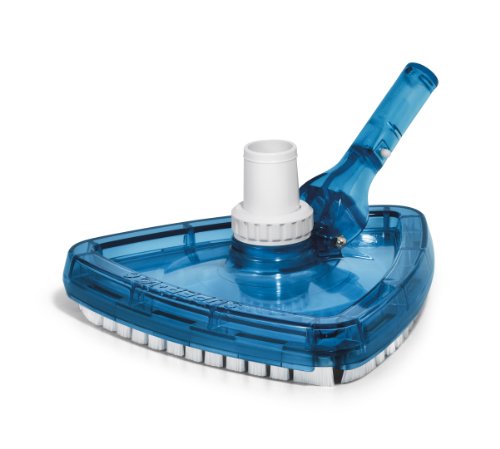
A sturdy metal backing keeps brushes securely attached, as seen in the ANTOBLE replacement set. The Hayward SP1068 itself features a see-through design and a contoured shape for easy handling. Over time, plastic parts can crack, so look for reinforced materials.
The Hayward SPX1068G3 brush replacement is a genuine OEM part, ensuring a perfect fit but at a higher cost. Aftermarket options often use thicker bristles and metal clamps, which can extend the lifespan. For budget-conscious shoppers, our best replacement brushes on a budget guide offers cost-effective choices.
Check the attachment points for wear, as a loose brush can cause poor cleaning. The Hayward SP1068’s swivel connector also reduces stress on the hose. For a detailed comparison of brush builds, our replacement brush guide for beginners explains what to inspect.
Ease of Installation and Maintenance
Replacing brushes or the entire head should be straightforward. The Hayward SP1068 includes a 360-degree swivel connector to prevent hose tangling. For brush swaps, most aftermarket sets slide into place without tools.
The ANTOBLE set includes three brushes, giving you a backup for future wear. The JIOTAR replacement also claims easy installation with no special tools. If you are using a robotic cleaner, check out our replacement brush selection for robotic cleaners for specialized guidance.
If you are replacing the entire head, ensure the pole adapter fits your existing pole. Most heads use a universal adapter, but some pools have specific threads. The Hayward SP1068 is compatible with standard poles, while aftermarket heads may vary.
Final Thoughts
For most pool owners, the Hayward SP1068 Pool Vacuum Cleaner Head remains the gold standard, offering reliable performance and a see-through design that makes cleaning easier. If your current head is structurally sound but the brushes are worn, the ANTOBLE 3Pcs SPX1068G3 Pool Vacuum Head replacement brushes give you a cost-effective refresh without buying a whole new head. Both options serve different needs, so weigh your priorities. The OEM head excels in build quality and long-term durability, while the ANTOBLE brushes provide a quick fix for immediate scrubbing needs.
Related Guides
Frequently Asked Questions
How often should I replace the brushes on my Hayward SP1068 pool vacuum cleaner head?
Typically, brushes last 1 to 2 seasons depending on pool usage and surface type. Inspect them monthly for wear. If the bristles are bent, missing, or no longer reaching the surface, it is time to replace them. In 2026, many pool owners are switching to tougher polypropylene brushes to extend intervals.
Can I use aftermarket brushes on my Hayward SP1068 pool vacuum cleaner head?
Yes, many aftermarket brushes like the ANTOBLE and JIOTAR sets are designed to fit SP1068 and similar models. Ensure the brush dimensions match your head, and check the attachment mechanism. For a step-by-step guide, refer to our replacement brush guide for beginners.
Are SPX1068G3 brushes compatible with other pool vacuum brands?
SPX1068G3 brushes are primarily engineered for Hayward heads, but some aftermarket versions claim to fit Pentair or Poolmaster models. Always verify compatibility before purchasing to avoid returns. Even if they fit, the cleaning performance may vary.
What is the difference between OEM and aftermarket brushes?
OEM brushes from Hayward guarantee a perfect fit and consistent quality, while aftermarket options often use tougher materials like polypropylene and cost less. Both can work well, but aftermarket brushes may require more attention to sizing and installation.