You’ve balanced your chemicals, run the filter, but that greenish tint on the walls just won’t budge. Algae is stubborn, and the right brush makes all the difference. In this guide, we’ve evaluated the top pool algae brushes to help you choose the best brush for pool algae for your specific pool surface. Whether you have a concrete gunite pool or a delicate vinyl liner, there’s a brush here that will save you time and effort. For more accessory tips, check out our guide on best robotic pool cleaner accessories worth buying.


Buying Guide: What to Look for in a Pool Algae Brush
Bristle Material: Nylon vs. Stainless Steel
The bristle material determines how effectively the brush removes algae without damaging the pool surface. Stainless steel bristles offer aggressive scrubbing power, ideal for concrete, gunite, and plaster pools. They break up calcium buildup and rust stains with ease. Nylon bristles are softer and safer for vinyl liners, fiberglass, and above-ground pools. They still remove algae but are gentler on delicate surfaces. Consider your pool type before choosing.
Brush Width and Coverage
Wider brushes cover more area per stroke, reducing cleaning time. Most full-size pool brushes range from 18 to 20 inches. For example, the best dolphin cleaner covers are sized for robotic cleaners, but for manual brushing, a wider head like 18 inches is a time-saver. However, for tight corners and steps, a narrow detail brush (around 5 inches) is essential. Many sets include both sizes for comprehensive cleaning.
Surface Compatibility
Not all brushes work on every pool surface. Stainless steel brushes are strictly for hard surfaces like concrete and gunite. Using them on vinyl or fiberglass will cause scratches and damage. Nylon or plastic bristle brushes are safe for all surfaces. Some brushes, like the best robotic pool cleaner accessories for beginners, are designed for specific cleaners, but for algae brushes, always check the manufacturer’s surface recommendations.
Handle and Connection Features
A good brush head should attach securely to your telescopic pole. Look for EZ-Clip or similar quick-connect mechanisms that prevent finger pinching. The handle angle also matters: a 45-degree angled handle keeps the brush in an optimal scrubbing position without straining your wrist. Lightweight aluminum construction reduces fatigue during long cleaning sessions.
Final Thoughts
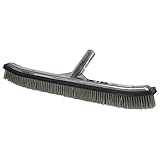
After reviewing the top contenders, two products stand out for different needs. For those with concrete or gunite pools battling stubborn algae, the Poolmaster 18-Inch Stainless Steel Pool Algae is a powerhouse with its wide head and aggressive bristles. For all pool surfaces including vinyl, the 17.5-Inch Curved Pro Pool Brush Head for All Pool offers a safe yet effective clean with its curved design and lightweight aluminum frame. Both are excellent choices to keep your pool algae-free.
Frequently Asked Questions
Can I use a stainless steel brush on a vinyl liner? No, stainless steel bristles will scratch and damage vinyl liners and fiberglass surfaces. Use a nylon brush for those pool types.
What is the best brush for pool algae on concrete? A stainless steel brush with a wide head, like the Poolmaster 18-inch or the 440 Heavy-Duty 18-Inch, works best on concrete and gunite surfaces. They remove algae and calcium buildup quickly.
How often should I brush my pool to prevent algae? Brush at least once a week during the swimming season, and more frequently during hot weather or after heavy rain. Consistent brushing prevents algae from taking hold.
Do I need a special pole for these brush heads? Most pool brush heads fit standard 1-1/4-inch telescopic poles. If you’re starting fresh, consider a quality pole from our accessories collection to ensure a secure fit.