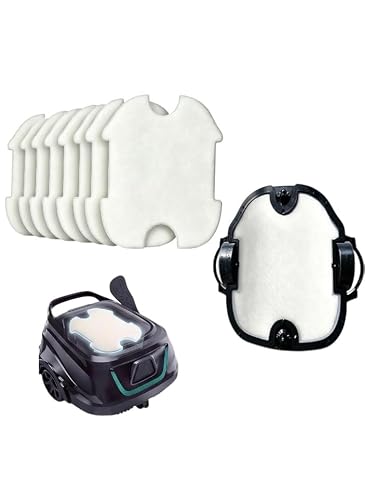
If your robotic pool cleaner is leaving behind debris or struggling to capture fine particles, the filter is likely the culprit. Over time, standard filters become clogged or lose efficiency, making replacement essential for sparkling pool water. Whether you own a Dolphin, Hayward, Aiper, or another popular brand, finding the right robotic pool cleaner filters for sale can be overwhelming with so many options on the market. This guide breaks down eight top replacements we have reviewed and compared, covering everything from ultra-fine baskets to washable sponges, so you can pick the best match for your pool cleaner and budget. Our team has evaluated each product for compatibility, filtration performance, durability, and ease of installation. For more details on maintaining your pool robot, check out our Replacement Filters category page.


Pros
- High-efficiency microfiltration captures fine dirt, sand, and leaves for pristine pool water.
- Works with a wide range of popular Dolphin robot models, reducing the need for multiple filter types.
- Easy to clean and maintain with no special tools required.
- Affordable price compared to manufacturer replacement filters.
- Solid build quality with lightweight yet sturdy plastic construction.
Cons
- Not compatible with Dolphin Nautilus CC Pro or CC Supreme models, limiting its use for newer variants.
- Older versions of Active 10 or S50 may require removal of a plastic piece for proper fit, which could be inconvenient for some users.
- As an aftermarket part, it may not perfectly match OEM quality or warranty coverage.
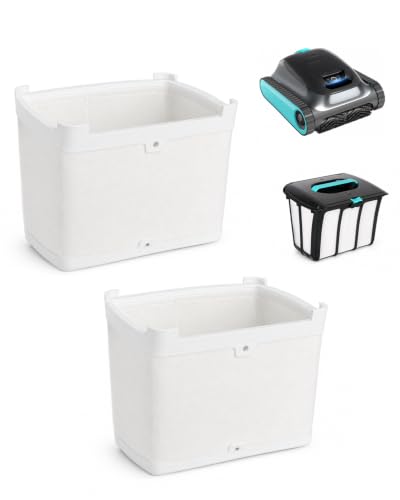
The Ulticor Ultra Fine Filter Basket is an aftermarket replacement designed specifically for a wide array of Dolphin robotic pool cleaners. It is an ideal choice for pool owners who already own compatible models such as the Dolphin S50, S100, Active 10/15, Echo, T15, T25, Proteus DX3, Saturn, Cayman, Escape, and others. This basket is not intended for the Nautilus CC Pro or Supreme versions, so buyers should verify compatibility before purchasing.
What sets this filter apart is its microfiltration technology, which captures even the tiniest debris particles. In real-world use, this translates to a noticeably cleaner pool with clearer water, as fine dirt, sand, and pollen are effectively trapped. The basket is easy to rinse and clean every four to six weeks, maintaining peak performance without hassle. Users report that it fits snugly and works reliably cycle after cycle.
The design is straightforward: a white, lightweight plastic basket measuring roughly 9x5x7 inches. Build quality feels solid for an aftermarket part, though it may not have the exact finish of an OEM component. The inclusion of installation tips for older Active 10 or S50 units (which may need a small internal plastic piece removed) shows attention to compatibility details. A video guide is available upon request to assist with that adjustment.
Potential drawbacks are mostly centered on fitment limitations. Owners of Nautilus CC Pro or Supreme will need to look elsewhere. Also, the need to modify older robots could be a minor inconvenience for those not comfortable with simple DIY tasks. However, for the vast majority of compatible users, installation is plug-and-play.
Overall, the Ulticor Ultra Fine Filter Basket offers excellent value for money. It delivers superior filtration at a lower price than official replacements, while covering a wide range of popular Dolphin models. If you own one of the listed robots and want to keep your pool sparkling clean without breaking the bank, this filter is a smart buy.




Buying Guide: How to Choose the Best Robotic Pool Cleaner Filter Replacement
1. Compatibility with Your Pool Cleaner Model
Not all filters are universal. Each robotic cleaner uses a specific-sized basket, cartridge, or sponge. Before purchasing, double-check that the filter is designed for your exact model. For instance, the Ulticor Ultra Fine Filter Basket Compatible works with many Dolphin models but explicitly states it is not compatible with Nautilus CC Pro or Supreme. Similarly, the FEATCH 2-Pack fits only the Aiper Scuba S1 (not S1 Pro). Always match the part number or model list from the manufacturer.
2. Filtration Efficiency: Microfiltration vs. Standard Mesh
Ultra-fine filters capture smaller particles like silt, pollen, and fine sand, keeping water crystal clear. The Ulticor basket uses micro-filtration technology, while the Kerneed spring filter panels are better for larger debris like leaves. Consider your pool’s typical debris: if you have many fine particles, opt for a filter with a micron rating (e.g., 3µm in the FEATCH pack). For heavy leaf fall, a standard mesh or spring filter may last longer between cleanings.
3. Durability and Build Quality
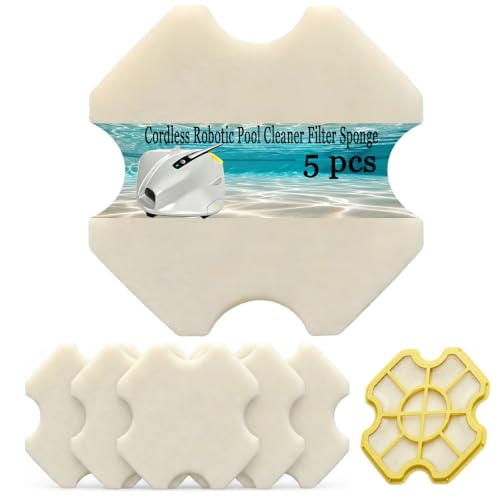
Filters made with reinforced ABS plastic frames and reinforced edges resist cracking and tearing. The csyls sponges use medium-fine foam that is washable and reusable, while the TUOWS 4-pack for Hayward features a diamond-grid PET fiber material for impact resistance. Look for filters that can withstand repeated rinsing and long-term use. High-quality materials typically last 2 to 3 years with proper maintenance.
4. Ease of Cleaning and Maintenance
Most replacement filters are washable and reusable. Some require simple rinsing with a garden hose, while others need periodic replacement every 1 to 2 months (like the csyls sponges). The CLLOMAGY ultra-fine panels for Dolphin are numbered for easy removal and installation. Quick tool-free swaps save time, so consider how often you’re willing to clean the filter. For busy pool owners, a larger pack or durable cartridge reduces maintenance frequency.
If you’re exploring other pool cleaner options, see our Best AIPER Cordless Robotic Pool Vacuum review, or for Dolphin alternatives, check the Polaris Alpha Filter Canister Replacements guide. For more on Aiper filters, visit our AIPER category.
Final Thoughts
After reviewing eight of the leading robotic pool cleaner filters for sale, our top recommendations cater to different needs. For Dolphin owners who value ultra-fine filtration and wide compatibility, the Ulticor Ultra Fine Filter Basket Compatible delivers exceptional clarity and fits numerous models. Meanwhile, the Spring Filter Cartridges Work with Dolphin from Kerneed offer a budget-friendly, durable option for handling large debris before switching to fine filters. Both are easy to install and maintain, ensuring your pool stays clean season after season. Whichever you choose, replacing your pool robot’s filter at the first sign of reduced performance will save you time and keep your water inviting all year long.
Related Guides
- Top Robotic Pool Cleaners for Pollen in 2026
- How Do Robotic Pool Cleaners Map a Pool
- Can Robotic Pool Cleaners Pick Up Acorns
Frequently Asked Questions
How often should I replace my robotic pool cleaner filter?
It depends on usage. For heavy debris loads, consider replacing every 2 to 3 months. Most manufacturers recommend rinsing every 4 to 6 weeks and replacing when you notice a drop in cleaning performance or if the filter shows visible wear.
Can I wash and reuse these filters?
Yes, most pool robot filters are washable. Simply rinse with a garden hose to remove trapped debris, then air dry completely before reusing. Avoid harsh chemicals or machine washing, which can damage the material.
Are aftermarket filters as good as OEM?
Many aftermarket options, like those from ULTICOR and CLLOMAGY, are designed to meet or exceed OEM specifications. They often use similar materials and provide comparable filtration at a lower cost. Just ensure compatibility with your specific cleaner model.
What is the difference between a fine filter and a spring filter?
Fine filters (e.g., micro-filtration baskets) capture tiny particles like silt and pollen, while spring filters use a coarser screen to trap larger debris like leaves and twigs. Some pool owners use a spring filter for the first few cleans of a dirty pool, then switch to a fine filter for ongoing maintenance. For more tips, see our AIPER Scuba X1 Advanced guide.