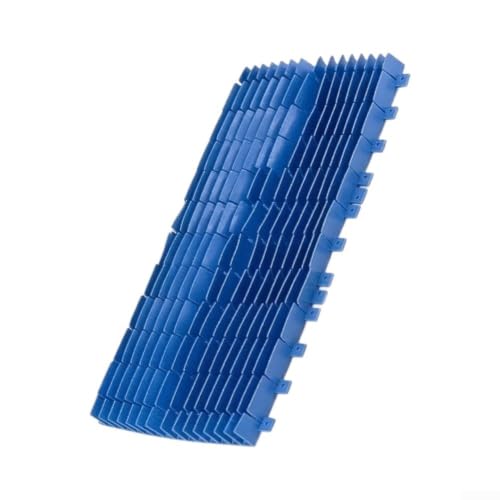
Nothing ruins a refreshing swim faster than green, slimy algae clinging to your pool walls and floor. You scrub and scrub, but if your brush is worn out or wrong for your surface, you are fighting a losing battle. The right replacement brush makes algae removal quick and effortless, saving your back and your pool. In this guide, we evaluate the best replacement brushes for algae cleaning in 2026, covering options for concrete, gunite, vinyl, and fiberglass pools. Whether you need a narrow detail brush for steps or a wide floor scrubber, we have you covered. For more on matching brushes to your pool type, check out our guide on best replacement brushes for gunite pools.


Buying Guide: What to Look for in an Algae Brush
Bristle Material and Surface Compatibility
Algae brushes come with stainless steel or nylon bristles. Steel bristles are aggressive and ideal for hard surfaces like concrete, gunite, and plaster. They break up tough algae and calcium deposits quickly. Nylon bristles are softer and safe for vinyl liners and fiberglass pools, preventing scratches. Always match the bristle type to your pool surface. For more details on surface-specific choices, read our article on best replacement brushes for concrete pools.
Brush Width and Head Shape
Wider brushes (18 to 20 inches) cover more area per stroke, reducing cleaning time for large pool walls and floors. Narrow brushes (5 inches) excel in tight spots like corners, steps, and tile lines. Some brushes feature curved or rotatable heads to reach awkward angles. Choose based on your pool’s layout and the areas where algae builds up.
Handle Attachment and Durability
Most pool brushes fit standard 1.25-inch telescopic poles. Look for an EZ-Clip or button mechanism that prevents pinched fingers during attachment. The brush back should be made of rust-proof aluminum or reinforced plastic to withstand frequent use. Durable construction ensures the brush lasts multiple seasons without bristle loss.
Versatility for Multiple Pool Areas
Algae can appear on walls, floors, steps, and tile lines. A brush with a straight body works well on flat surfaces, while curved or rotatable heads help scrub corners and contours. Some brushes double as scrubbers for steps or even for cleaning spa and bathroom surfaces. Consider whether you need a dedicated algae brush or a multi-purpose tool. For vinyl pools, see our best replacement brushes for vinyl liner pools guide.
Final Thoughts
After reviewing the top options, the best replacement brush for algae cleaning depends on your pool surface and cleaning needs. For aggressive algae removal on concrete or gunite pools, the Poolmaster 5-Inch Stainless Steel Pool Algae detail brush is perfect for tight corners and steps, while the Aquatix Pro Pool Brush Head offers wide coverage for walls and floors with sturdy steel bristles. Both deliver reliable performance to keep your pool crystal clear all season long.
Related Guides
- Best Pool Robot Replacement Brush for Algae in 2026
- Replacements for Sparkling Water in 2026
- 5 Top Replacement Tracks for Pool Robot in 2026
- Top Replacement Brushes Under $200 for a Fresh Clean in
Frequently Asked Questions
Can I use a stainless steel brush on a vinyl liner pool?No, stainless steel bristles can scratch and damage vinyl liners. Use a nylon-bristle brush for vinyl or fiberglass surfaces to avoid tears and wear. For safe options, browse our best soft pool cleaner replacement brushes.
How often should I replace my pool algae brush?Replace the brush head when bristles become bent, broken, or worn down. For heavy use during algae season, you may need a new brush every 6 to 12 months. A fresh brush scrubs more effectively and prevents algae from regrowing quickly.
What is the best brush width for cleaning pool steps?A narrow brush of 5 to 6 inches is ideal for steps, corners, and tile lines. It allows precise scraping without missing tight spaces. For larger step surfaces, a curved 18-inch brush can also work if the head is flexible.
Do I need a separate brush for algae vs. regular dirt?Many algae brushes are versatile enough for both algae and general debris. However, if your pool has persistent algae, a dedicated stainless steel brush for hard surfaces is more effective. For routine maintenance, a nylon brush works fine and is gentler on finishes. Consider pairing your manual brush with a robotic cleaner like those reviewed in best AIPER cordless robotic pool vacuum for reduced manual effort.