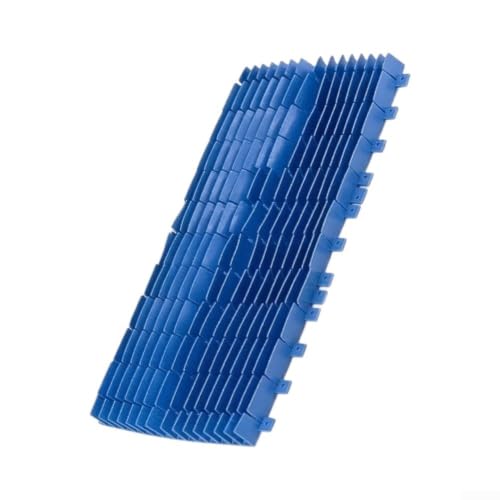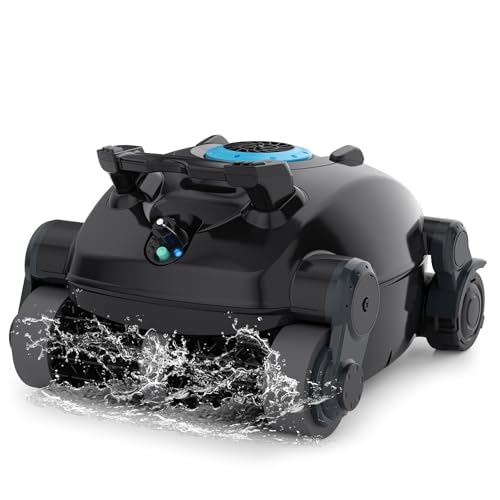
You have invested in a saltwater pool for its gentle feel and lower chemical needs. But saltwater can be tough on pool cleaner brushes. Over time, bristles wear down, and the scrub action weakens. That is when your pool starts showing streaks, algae spots, or stubborn calcium deposits. Replacing worn brushes restores performance and extends the life of your cleaner. This guide covers the best replacement brushes for saltwater pool cleaners, from cyclonic scrubbers for robotic units to universal vacuum head brushes. Whether you own a Polaris, Zodiac, Hayward, or a manual pole, we have picks that resist saltwater corrosion and deliver a deep clean.
Our selections focus on durability, compatibility, and cleaning power. We have evaluated each brush for its ability to handle the unique challenges of saltwater pools, such as scale buildup and chemical wear. For more context on protecting your pool surfaces, see our guide on best replacement brushes for vinyl liner pools.


Buying Guide: What to Look for in Replacement Brushes for Saltwater Pool Cleaners
Choosing the right replacement brush goes beyond just matching the model. Saltwater pools demand brushes that can resist corrosion, provide effective scrubbing, and fit securely. Here are the key factors to consider.
Bristle Material and Durability
Saltwater can degrade low-quality bristles quickly. Look for nylon or polypropylene bristles that are chlorine-resistant and UV-stable. These materials hold up longer against the electrolytic environment. For example, the ATIE Pool Cleaner Cyclonic Scrubbing Brush uses cyclonic action that helps bristles stay in contact with surfaces, reducing wear. For manual brushes, dense nylon bristles like those on the Best Choice Products 20″ Pool Brush Head offer strong scrubbing without scratching.
Compatibility with Your Cleaner
Not all brushes fit every cleaner. For automatic pool cleaners, check the model number and part cross-reference. The Polaris Tail Foam Replacement by SWASHER fits many Polaris pressure-side cleaners. For robotic units, the Replacement Brush*2 for Pooleco Automatic Robotic Pool Vacuum Cleaner is a direct fit. Manual brush heads should have a universal pole connection, typically 1.25 inches. The OSAMEDA 18″ Pool Brush Head and HydraJoy Pool Brush Head both offer this compatibility.
Scrubbing Efficiency and Coverage
Wider brushes cover more area per pass, reducing cleaning time. The Best Choice Products 20″ brush head is ideal for large inground pools. For tight corners and steps, look for brushes with curved ends or integrated side bristles. The HydraJoy Pool Brush Head includes a 45-degree angled handle for easier reach. Cyclonic scrubbing brushes, like the ATIE model, spin continuously to dislodge debris from walls and floors. This is especially helpful for saltwater pools where algae can cling to surfaces.
If you own a fiberglass pool, check our guide on best replacement brushes for fiberglass pools for surface-specific advice.
Ease of Installation
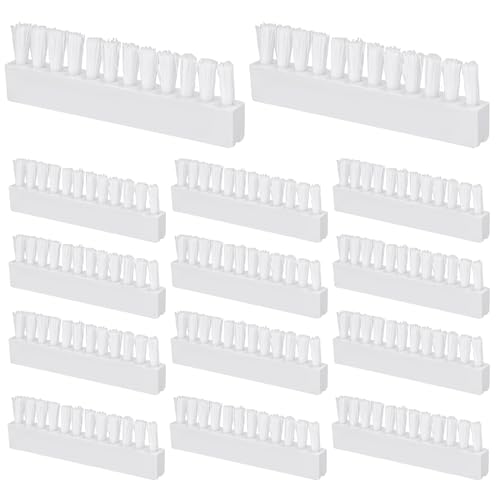
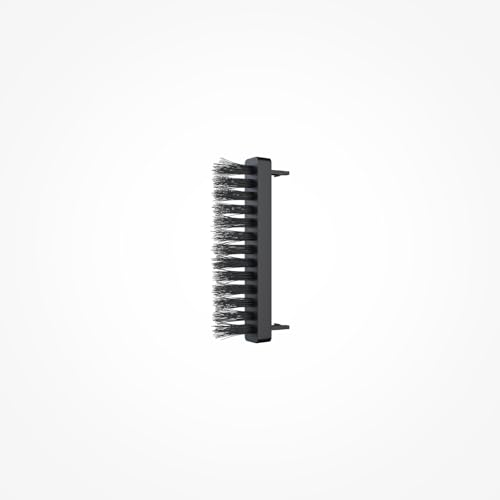
Replacement brushes should be simple to swap out. Many brush strips, like the PEUTIER 7pcs or 14pcs sets, slide into place without tools. The ATIE Pool Leaf Vacuum Brush Replacement strips are easy to cut to size. For automatic cleaners, check if the brush uses a clip or screw mount. The JIOTAR SPX1068G3 replacement brush head installs directly onto Hayward vacuum heads. Quick installation means less downtime and more time enjoying your pool.
Final Thoughts
After reviewing dozens of options, we recommend the ATIE Pool Cleaner Cyclonic Scrubbing Brush for owners of Zodiac or Polaris automatic cleaners who want a durable, spinning brush that fights algae and scale. For manual scrubbing on any pool surface, the Best Choice Products 20″ Pool Brush Head offers wide coverage and a rust-resistant aluminum bracket. Both choices handle the demands of saltwater pools effectively. Remember to inspect your brushes every few months and replace them at the first sign of wear to keep your pool sparkling.
Related Guides
- Best Pool Robot Replacement Brush for Algae in 2026
- Replacements for Sparkling Water in 2026
- 5 Top Replacement Tracks for Pool Robot in 2026
Frequently Asked Questions
How often should I replace brushes on my saltwater pool cleaner?
It depends on usage and water chemistry. In general, check every three months. If you see bristles bending, fraying, or missing, replace them. Saltwater pools may require more frequent changes due to the corrosive environment. A good rule is to swap brushes at the start of each season, around 2026.
Can I use regular pool brushes in a saltwater pool?
Yes, but choose brushes with corrosion-resistant materials. Stainless steel brackets and nylon or polypropylene bristles work best. Avoid brushes with metal parts that can rust. The brushes listed in this guide are all suitable for saltwater use.
What is the difference between a cyclonic brush and a standard brush?
A cyclonic brush spins as the cleaner moves, providing continuous scrubbing contact. This is more effective at removing stubborn algae and calcium deposits common in saltwater pools. Standard brushes rely on the cleaner’s movement alone. Cyclonic brushes are often used in robotic and pressure-side cleaners.
Do replacement brushes fit all pool cleaner brands?
No, always verify compatibility. Many brushes are designed for specific models or brands. For example, the JIOTAR SPX1068G3 fits Hayward vacuum heads. The SWASHER tail foam replacement fits many Polaris and Pentair cleaners. Check your cleaner’s manual or measure the brush slot before buying. For more on matching brushes to different pool types, see our guide for gunite pools.